
Choosing the wrong cable can lead to overheating, equipment failure, and costly delays. This is especially important on construction sites, in factories, and during outdoor installations. H07RN-F Rubber Cables are popular for applications that need flexibility and a tough outer covering. However, the right choice depends on your equipment, working conditions, and electrical load. In this guide, we explain how to select a suitable cable, check important specifications, and avoid common purchasing mistakes.
What Are H07RN-F Rubber Cables?
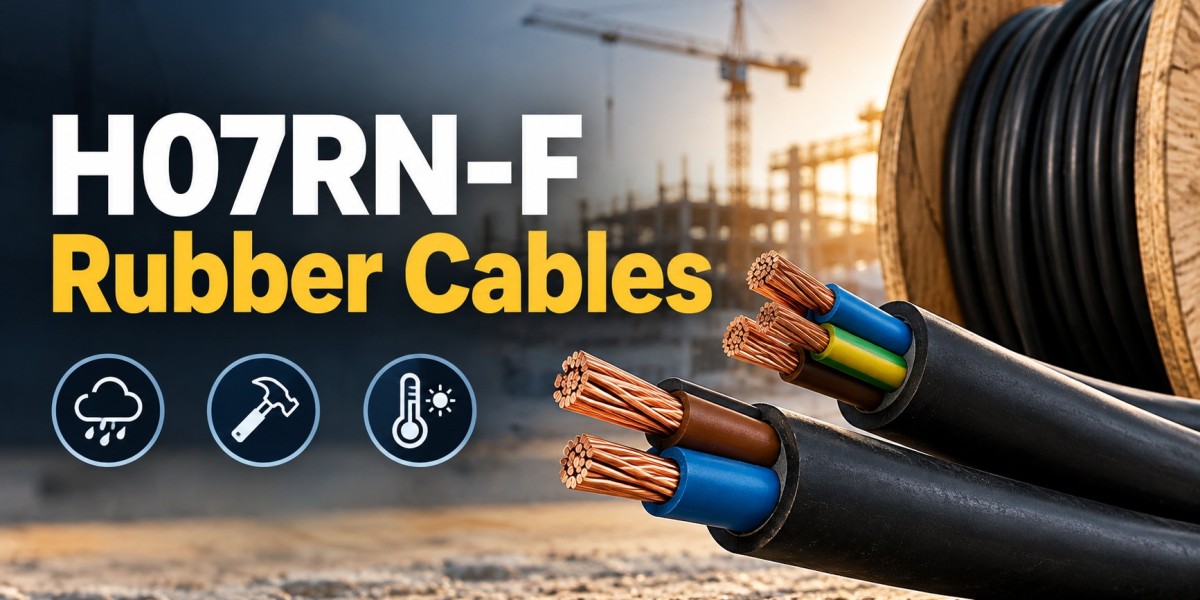
H07RN-F is a type of flexible, heavy-duty rubber-sheathed electrical cable. It is designed for portable equipment and demanding working environments where ordinary cables may not be suitable.
These cables generally use flexible stranded copper conductors, rubber insulation, and a durable rubber outer sheath. Their construction helps them handle regular movement and mechanical stress. Depending on the product, they can also offer resistance to oil, moisture, and weather exposure.
According to Nexans' H07RN-F product information , the cable range includes different conductor sizes and core configurations. Its listed characteristics include a 450/750 V rated voltage and flexible construction.
You can find these cables in construction equipment, industrial machinery, temporary power supplies, workshops, and event installations. However, not every cable suits every environment. Checking the manufacturer's technical data is essential before buying.
How to Choose the Right Cable for Your Project
1. Understand Your Application
First, identify where and how the cable will be used. A cable supplying a portable generator may have different requirements from one power factory equipment.
Consider whether the cable will be used indoors or outdoors. Check whether it will experience frequent movement, abrasion, oil exposure, moisture, or contact with machinery.
For example, construction sites often need flexible cables that can handle repeated handling. Industrial workshops may require cables suited to the oils and operating conditions present at the site.
2. Select the Correct Cable Size
Cable size is one of the most important factors. The conductor cross-section, measured in square millimeters (mm²), affects current-carrying capacity and voltage drop.
A cable that is too small may overheat under load. A longer cable can also experience greater voltage drop, which may affect equipment performance.
Do not choose a cable based on current rating alone. Consider cable length, ambient temperature, installation method, grouping with other cables, and the equipment manufacturer's requirements.
A qualified electrician should verify the correct conductor size using applicable standards and manufacturer data.
3. Check the Number of Cores
Next, determine how many drivers your equipment needs. The correct configuration depends on the supply system and the equipment's electrical design.
For example, a three-core cable marked 3G typically contains three colors, including a green-and-yellow protective earth conductor. A four-core cable marked 4G contains four colors, including protective earth.
The letter G indicates the presence of a green-and-yellow protective conductor. An X in the marking indicates that this driver is absent. Always confirm the cable marking before ordering.
4. Consider Temperature and Environmental Conditions
Working conditions can affect cable performance and service life. High ambient temperatures, direct sunlight, moisture, and chemicals may influence which cable is suitable.
Check the specified operating temperature range, oil resistance, weather resistance, and any installation restrictions. These details vary by manufacturer and product specification.
In the UAE, high summer temperatures make it especially important to check the cable's permitted operating conditions. Do not assume that every rubber cable can withstand prolonged outdoor heat or direct sunlight.
5. Verify Quality and Standards
Always purchase from a reputable electrical supplier. Ask for the manufacturer's datasheet, applicable standard references, and product identification details.
Confirm the rated voltage, conductor material, insulation type, sheath properties, and current-carrying information. You should also check that the cable meets local project requirements.
Quality documentation helps you compare products accurately rather than relying on price or appearance alone.
Common Mistakes to Avoid
When purchasing H07RN-F Rubber Cables, avoid these common mistakes:
Choosing the cheapest option: Low prices do not guarantee suitable specifications or reliable quality. Compare datasheets before deciding.
Ignoring cable length: Long cable runs can increase voltage drop. Check calculations before installation.
Overlooking the environment: Heat, chemicals, abrasion, and moisture can affect suitability. Match the cable to current site conditions.
Selecting the wrong core configuration: Confirm the number of colors and protective earth requirements.
Assuming all rubber cables are identical: Temperature ratings, construction, and resistance properties can vary between products.
Skipping inspections: Check for cuts, damaged sheaths, exposed conductors, and signs of overheating before use.
These checks help reduce avoidable failures and support safer electrical installations.
Conclusion
The right cable can make a real difference to electrical safety, equipment performance, and maintenance costs. When choosing H07RN-F Rubber Cables, consider the application, conductor size, number of colors, operating temperature, and environmental conditions. Always verify the technical specifications before placing an order.
Planning an industrial, construction, or temporary power project? Contact a trusted electrical cable supplier in the UAE to discuss your requirements and find a suitable solution for your application.
Frequently Asked Questions
1. What are H07RN-F Rubber Cables used for?
They are commonly used for portable electrical equipment, industrial machinery, construction tools, workshops, and certain temporary power applications. Suitability depends on the specific cable and installation conditions.
2. Are H07RN-F cables suitable for outdoor use?
Many H07RN-F products are designed for demanding environments and may be suitable for outdoor applications. However, check the exact model's weather resistance, temperature limits, and installation requirements before use.
3. What voltage rating do H07RN-F cables have?
Many standard H07RN-F cables have a rated voltage of 450/750 V. Always confirm the rating on the manufacturer's datasheet for the specific product.
4. How do I choose the correct H07RN-F cable size?
Consider the equipment's current demand, cable length, voltage drop, ambient temperature, installation method, and applicable electrical standards. Ask a qualified electrician to verify the final size.
5. Where can I buy H07RN-F Rubber Cables in the UAE?
You can contact established electrical cable suppliers and authorized distributors in the UAE. Request technical datasheets, product specifications, and confirmation that the cable meets your project's requirements.