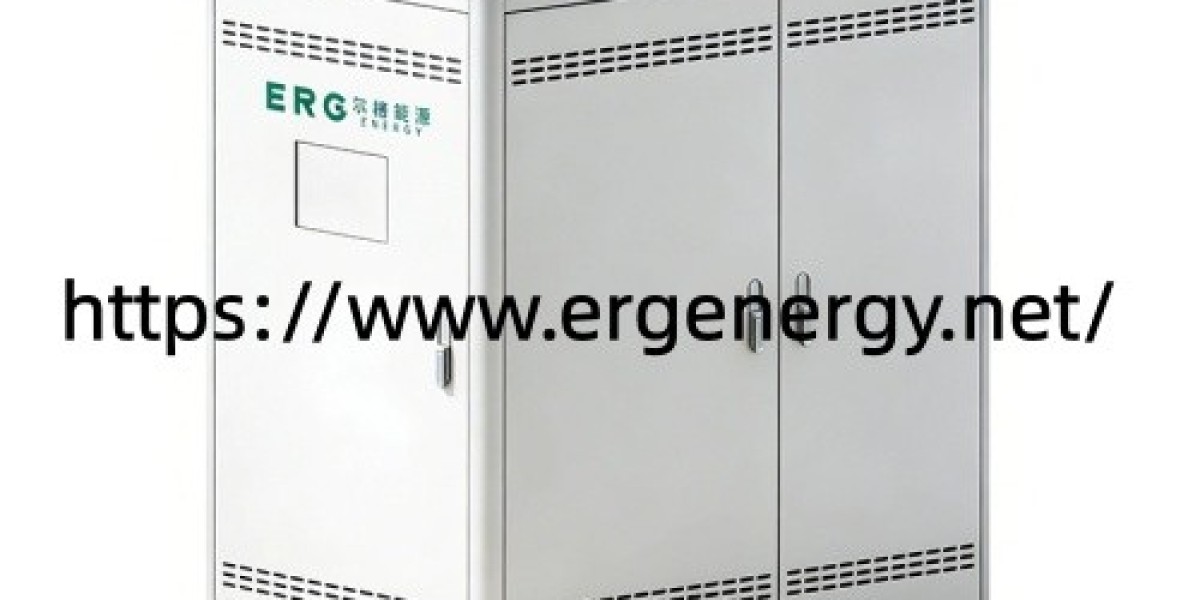

Vanadium Redox Flow Energy System selection requires careful consideration of project objectives, operating conditions, and long term costs. For manufacturers, commercial property owners, and industrial energy users, choosing suitable storage equipment involves more than comparing product prices. Buyers need to understand how the equipment will operate, how it connects with existing infrastructure, and whether its specifications match actual electricity demand. A structured evaluation helps businesses communicate their requirements clearly and make informed purchasing decisions.
One important consideration is the relationship between power output and storage capacity. Power output determines how much electricity equipment can deliver at a given moment, while storage capacity indicates how much electricity can be stored for later use. These specifications serve different purposes and should be assessed together. A manufacturing facility with demanding machinery may require substantial output, while a renewable energy project may prioritize several hours of electricity delivery. Buyers should provide suppliers with expected loads, operating schedules, and required discharge periods before requesting a quotation.
Installation conditions also deserve attention during the purchasing process. Industrial facilities may have limited space, specific ventilation requirements, or environmental conditions that influence equipment configuration. A flow battery installation typically includes electrolyte tanks, an electrochemical stack, pumps, control equipment, and electrical connections. The arrangement of these components affects maintenance access, installation planning, and integration with existing infrastructure. Before finalizing a design, buyers should confirm site dimensions, temperature conditions, foundation requirements, drainage provisions, and applicable electrical regulations with qualified engineering professionals.
Another consideration is the way storage equipment will work with renewable generation. Businesses using solar panels or wind turbines may experience differences between electricity production and consumption throughout the day. Storage can help shift some available electricity to periods when demand increases, depending on generation levels, capacity, and operating efficiency. Buyers should evaluate how the proposed equipment will communicate with inverters and energy management controls. They should also ask whether charging schedules, discharge settings, and monitoring functions can be configured to suit their operational needs.
Operating expenses can significantly influence the financial assessment of an energy project. The initial quotation is only one part of the total investment. Buyers should also consider electricity losses during charging and discharging, auxiliary power consumption, scheduled servicing, spare parts, labor, and potential component refurbishment. Comparing these expenses over an expected operating period provides a clearer picture of the financial commitment. Suppliers should explain the conditions behind their performance figures and identify any assumptions used in cost projections. This information allows purchasing teams to compare proposals on a consistent basis.
Maintenance arrangements and technical support should be reviewed before an order is placed. Equipment that includes pumps, sensors, valves, and electrical controls requires an appropriate inspection and servicing plan. Buyers should ask which components need routine attention, how replacement parts can be obtained, and whether remote monitoring or troubleshooting services are available. Warranty coverage also deserves careful review. The contract should clearly identify covered components, exclusions, service responsibilities, and procedures for handling performance concerns. For projects operating in remote locations, access to qualified technicians may be an important factor in supplier selection.
Manufacturing capability is another practical consideration for businesses purchasing industrial equipment. Buyers can ask about production procedures, quality inspections, factory acceptance testing, delivery schedules, and documentation provided before shipment. For customized projects, communication between the customer and manufacturer is especially important. Technical drawings, connection requirements, control interfaces, and acceptance criteria should be agreed upon before production begins. Requesting relevant project references and reviewing available test documentation can help purchasing teams assess whether a proposed configuration fits their intended application.
Future expansion should also be included in the initial discussion. A facility may increase production capacity, add renewable generation, or change its electricity consumption as business requirements evolve. Buyers should therefore ask how additional storage capacity could be accommodated and whether the original installation leaves sufficient space for future equipment. Modular arrangements, compatible controls, and clearly documented integration requirements may simplify subsequent planning, although actual expansion options depend on the original design and site limitations.
Choosing suitable storage equipment ultimately requires a balance between technical requirements, operating costs, installation conditions, and supplier capabilities. ERG provides energy storage product options for businesses evaluating different project configurations and renewable energy applications. By reviewing specifications, discussing customization needs, and preparing a clear technical brief, buyers can identify solutions that align with their operational objectives. Businesses planning an industrial or commercial energy project can visit https://www.ergenergy.net/ to review the company and its product offerings as part of their supplier evaluation process.