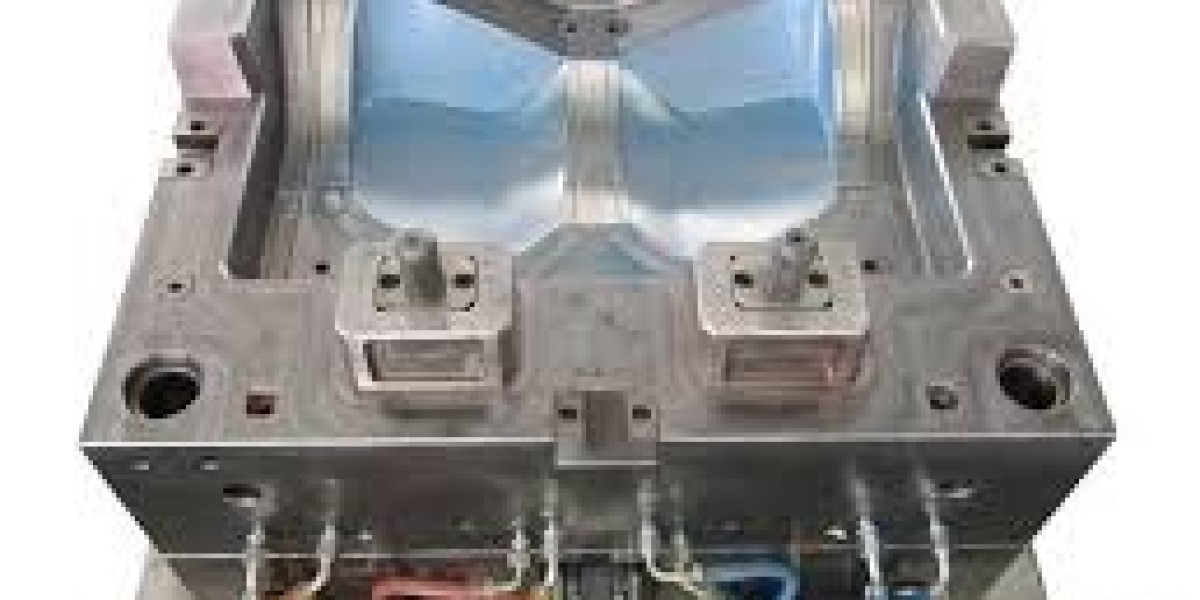

Plastic components have become essential to modern vehicle manufacturing because they support lightweight construction, flexible styling, functional integration, and efficient assembly. Applications range from dashboard structures and door trim to engine covers, electrical housings, exterior panels, and mounting brackets. Each component has different requirements for strength, appearance, temperature resistance, and dimensional accuracy. Successful Plastic Injection Molding Automotive Parts projects therefore require cooperation between product designers, material specialists, mold engineers, and production teams from the earliest development stages.
Part design establishes many of the conditions that determine molding quality. Wall thickness should be considered carefully because substantial variations can lead to uneven cooling, sink marks, residual stress, and warpage. Ribs and reinforcing features can improve stiffness, but their dimensions and placement must be balanced against material flow and surface appearance. Draft angles support reliable release from the mold, while rounded transitions can reduce stress concentrations and improve filling behavior. Mounting bosses, clips, and snap-fit features should also be evaluated according to assembly loads and expected service conditions. Addressing these factors before tooling begins can reduce costly revisions later.
Material selection should reflect both the component's function and its manufacturing requirements. Polypropylene is commonly used for lightweight parts that need useful chemical resistance and practical processing characteristics. ABS may suit interior components where impact resistance and surface appearance matter, while polyamide can provide higher mechanical performance for selected applications. Polycarbonate and other engineering polymers may be considered when impact strength or thermal performance is a priority. Reinforced grades can increase stiffness, although they may introduce additional considerations involving flow orientation, shrinkage, surface finish, and tool wear. Material decisions should be based on application requirements and verified technical data rather than price alone.
Mold design translates the component model into a repeatable production process. Engineers determine the cavity arrangement, runner system, gate locations, venting, cooling channels, and ejection mechanism. Gate placement influences how polymer enters the cavity and where flow fronts meet. Inadequate venting can trap air and create burn marks or incomplete filling, while an unbalanced runner system may cause different cavities to fill inconsistently. For complex parts, mold flow analysis can help evaluate filling patterns, pressure distribution, weld lines, and potential air traps before the tool is manufactured. This information allows engineers to refine the design while changes are still relatively straightforward.
Thermal management has a direct relationship with cycle time and finished-part stability. Plastic must cool sufficiently before ejection, but cooling needs can differ across a component with thick bosses, thin walls, and large flat surfaces. Uneven heat removal can produce differential shrinkage, distortion, or dimensional changes after the part leaves the mold. Cooling channels should therefore be positioned to provide balanced temperature control while preserving structural strength and access for maintenance. Depending on the geometry and production requirements, engineers may also consider localized cooling strategies for areas that are difficult to regulate with conventional channels.
Precision machining helps ensure that the mold reproduces the approved geometry. CNC machining supports accurate cavity profiles, mounting interfaces, and complex surface contours, while electrical discharge machining can create narrow details and features that are difficult to cut conventionally. Surface polishing or texturing should match the product's cosmetic and functional requirements. The mold base, guiding components, sliders, lifters, and ejector systems must also be assembled accurately to support smooth operation. Dimensional inspection at critical manufacturing stages helps detect deviations before they affect trial results or become repeated production defects.
Trial molding is a key step in confirming whether the tooling and process perform as intended. Engineers evaluate filling behavior, surface appearance, flash, sink marks, warpage, demolding, and critical dimensions. Processing variables such as melt temperature, mold temperature, injection speed, holding pressure, and cooling time are adjusted according to the resin and part design. A short shot may indicate insufficient filling or restricted flow, while visible deformation can result from cooling imbalance, unsuitable packing conditions, or geometric limitations. Documenting each trial and the corresponding adjustments provides a practical basis for process stabilization and future troubleshooting.
Once the mold enters regular production, quality management should focus on repeatability rather than inspection alone. Dimensional checks, visual assessments, and process monitoring help identify gradual changes in output. Preventive maintenance should cover cavity cleaning, lubrication, vent inspection, cooling-system checks, and examination of moving components. Material drying and handling procedures must also remain consistent when the selected resin requires them. These controls help reduce unexpected downtime and maintain reliable component performance across production batches.
For buyers, selecting a tooling supplier involves evaluating engineering communication, manufacturing capability, inspection methods, trial support, and maintenance services. A supplier that understands the relationship between part design and production conditions can help identify risks before they become expensive manufacturing problems. Taizhou Renxin Mould Co., Ltd. works with customers on automotive mold development requiring precision, practical manufacturability, and consistent output. Buyers can visit https://www.rxmolds.com/product/fog-light-mold/fog-light-reflector-mold.html to learn more and discuss their Plastic Injection Molding Automotive Parts requirements, including component geometry, resin selection, tooling expectations, and planned production volumes.








