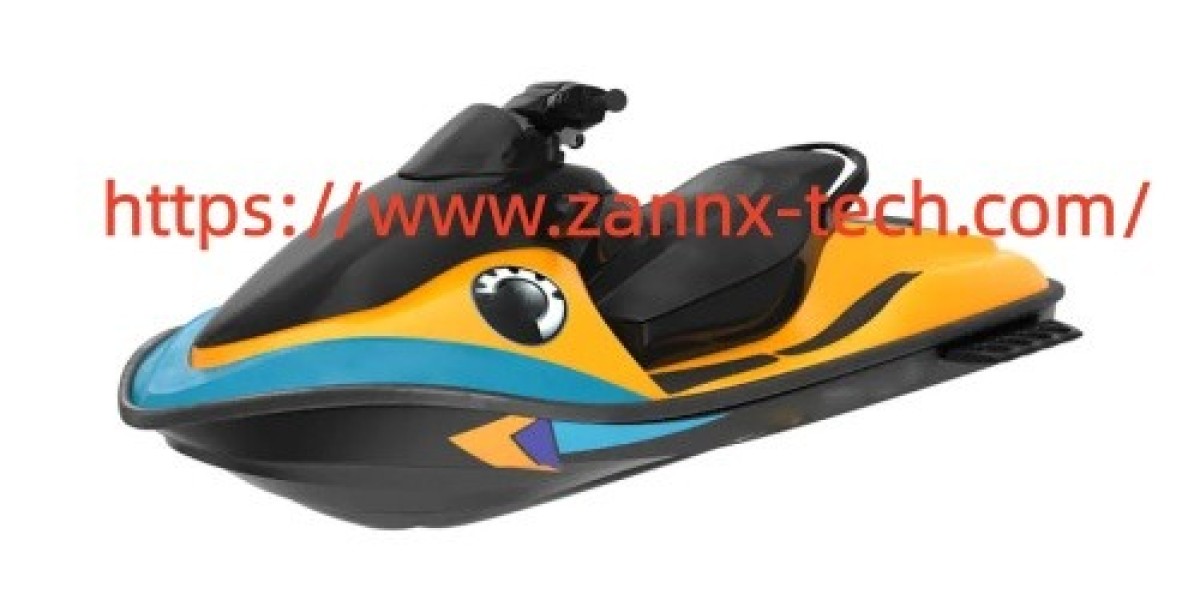

Electric Surf Boat selection starts with a simple question: what will you actually do on the water? Some buyers want relaxed weekend outings, while others are interested in dynamic riding experiences or equipment for a water sports business. The right choice depends on how the vessel handles, how its power system performs, and whether its design fits the rider, location, and intended use. Zannx provides electric watercraft solutions for customers who want to compare practical features before committing to a purchase.
A good buying decision begins with the hull. Its shape, dimensions, material, and weight distribution influence handling, stability, and efficiency. These details can affect how the vessel responds when turning, accelerating, or moving across changing water conditions. Buyers should consider where they plan to ride, whether the water is generally calm or choppy, and how much space they need for passengers and equipment.
It is also worth asking how the overall structure supports regular use. A vessel intended for occasional leisure outings may have different requirements from one used throughout the day by a rental business. Discuss the rated passenger capacity, recommended operating conditions, and relevant safety requirements with the manufacturer before deciding on a configuration.
Power delivery is another detail that deserves careful attention. Motor output affects acceleration and operating characteristics, but a larger rating alone does not guarantee a better match for every rider. The motor, controller, hull, and battery need to work together as a complete system. Buyers should ask for clear specifications and information about how the vessel responds under its intended load.
Control design can make a noticeable difference, particularly for people who are new to electric watercraft. An intuitive throttle, accessible controls, and clear system indicators can help riders manage their outings with greater confidence. Before ordering, ask how the controls work, what safety features are included, and whether the operating instructions cover routine situations as well as unexpected conditions.
Battery selection deserves the same level of attention. Capacity influences how much energy is available, while actual riding time depends on speed, rider weight, water conditions, acceleration patterns, and other operating factors. Two vessels with similar battery ratings may deliver different results when used in different environments.
Instead of relying on a single range estimate, buyers should request performance information based on clearly defined conditions. Ask about charging time, battery monitoring, recommended charging practices, and the availability of replacement components. If you expect to spend several hours on the water, consider how the planned schedule allows for charging and a reasonable energy reserve.
Safety should never be treated as an optional extra. Riders need to understand the vessel operating instructions, local waterway rules, and the protective equipment required for their activities. Buyers should also check emergency procedures, electrical protection, and any relevant certifications. If the vessel will be used for commercial activities, additional requirements may apply depending on the location and business model.
Storage and transport can influence the ownership experience just as much as performance. Consider where the vessel will be kept between outings, how it will reach the water, and whether suitable charging facilities are available nearby. Buyers who travel to different riding locations may need to think about transport dimensions, lifting arrangements, and protection during storage.
For a rental operator, these practical details become part of the daily workflow. Equipment needs to be stored securely, charged according to the manufacturer's instructions, inspected between sessions, and prepared for the next customer. A clear maintenance plan helps staff identify wear, report problems, and keep operating procedures consistent.
Maintenance requirements should be discussed before the purchase rather than after the first season. Ask about routine inspections, battery care, electrical connections, corrosion protection, and service intervals. It is also useful to clarify warranty coverage, spare parts availability, and how technical support is provided if a problem occurs. These details help buyers plan ownership costs and reduce avoidable interruptions.
Personal preferences matter, too. Some riders value a compact design that is convenient to transport, while others may prioritize a particular seating arrangement, storage capacity, or handling style. Commercial buyers may have additional concerns about customer onboarding, cleaning routines, and equipment turnaround. Making a list of essential features before comparing configurations can help keep the decision focused.
Zannx encourages prospective customers to evaluate each specification in relation to their real riding plans. Rather than choosing equipment based on appearance or headline figures alone, consider the complete package, including hull construction, propulsion, battery performance, controls, safety provisions, and after sales support. Clear answers from the manufacturer make it easier to compare options and set realistic expectations.
Whether you are preparing for personal water adventures or planning to expand a recreational business, a thoughtful purchase begins with the details that shape everyday use. Review the available electric watercraft options, consider your preferred riding environment, and contact Zannx through https://www.zannx-tech.com/ to discuss product specifications and find a configuration that fits your needs.








