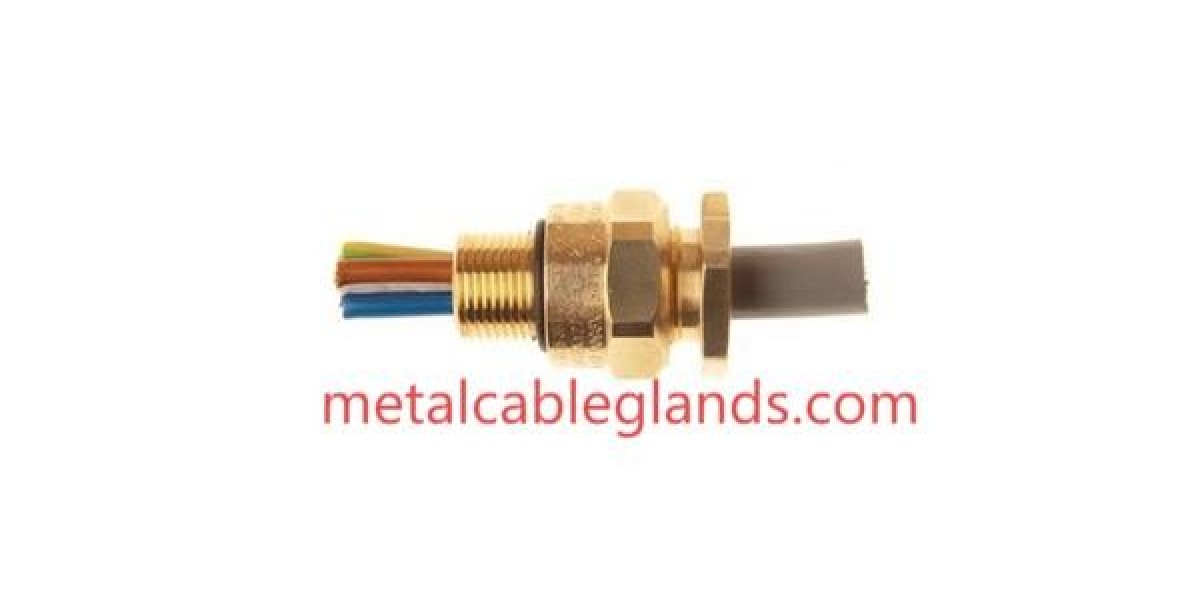

When electrical equipment operates outdoors or in humid environments, managing moisture and temperature changes becomes an important part of product design. A Waterproof Breathable Valve helps balance pressure inside sealed enclosures while limiting the entry of external water and dust. By incorporating a Waterproof Breathable Valve into a suitable housing, manufacturers can support more stable internal conditions, protect sensitive components, and improve the practical performance of equipment used in everyday industrial settings.
Managing Temperature Changes in Sealed Enclosures
Electrical enclosures often experience temperature fluctuations during normal operation. Internal air expands as temperatures rise and contracts as they fall, creating pressure differences between the enclosure and its surroundings. Over time, these repeated changes may place stress on seals and other connection points.
A breathable component provides a controlled pathway for air exchange while helping maintain a barrier against environmental contaminants. This approach can be especially useful for outdoor control boxes, lighting assemblies, monitoring devices, and communication equipment. Instead of treating pressure changes as an afterthought, designers can account for them early in the enclosure development process.
Reducing Moisture-Related Maintenance Concerns
Moisture inside an enclosure does not always come directly from rain or splashing water. Humid air trapped inside a housing may produce condensation when temperatures change, potentially affecting metal surfaces, electrical contacts, and sensitive components. Repeated exposure can increase inspection requirements and create avoidable maintenance challenges.
Appropriate ventilation design can help reduce these concerns, although actual results depend on the complete enclosure, installation environment, and operating conditions. Buyers should review relevant product specifications and avoid assuming that every vent provides identical protection. Considering humidity, temperature variation, and exposure to contaminants helps teams make more informed decisions before equipment enters service.
Selecting Materials for Different Operating Environments
Material choice affects durability, compatibility, and long-term performance. An accessory installed in a coastal facility may face salt-laden air, while equipment used in a factory could encounter dust, oils, or frequent temperature changes. These differences make it important to match component properties with the conditions expected at the installation site.
Purchasing teams should examine the housing material, mounting method, thread dimensions, and specified environmental limits. They should also confirm whether the selected component works with the enclosure design and any existing sealing arrangements. Reviewing these details before ordering can reduce installation problems and make product comparisons more straightforward.
MetalCableGlands: Practical Choices for Equipment Designers
For equipment manufacturers, choosing suitable connection accessories is part of creating a dependable enclosure system. MetalCableGlands provides cable entry and related industrial connection products that buyers can consider when planning electrical installations. Understanding how each accessory fits into the wider assembly helps teams avoid selecting individual parts without considering the complete design.
A practical purchasing process starts with clear requirements, including installation space, environmental exposure, and compatibility with other components. Buyers can then compare available product information and confirm technical details with their supplier. This preparation is useful for both small production runs and larger projects where consistent component selection can simplify assembly, inventory management, and future maintenance.
Improving Installation and Inspection Practices
Correct installation plays an important role in achieving the intended performance of enclosure accessories. Before fitting a component, technicians should verify the mounting opening, check thread compatibility, and prepare the installation surface according to the manufacturer's instructions. Appropriate tightening helps prevent damage and supports a secure connection without placing unnecessary stress on the housing.
Inspection should also form part of a regular maintenance routine. Teams can check for visible damage, accumulated dirt, loose fittings, and signs of material deterioration. Any cleaning or replacement work should follow the equipment manufacturer's recommendations. By combining suitable product selection with careful installation and routine checks, businesses can build more dependable equipment systems. To explore cable entry products and related industrial solutions, visit https://www.metalcableglands.com/ and review the options available for your application.