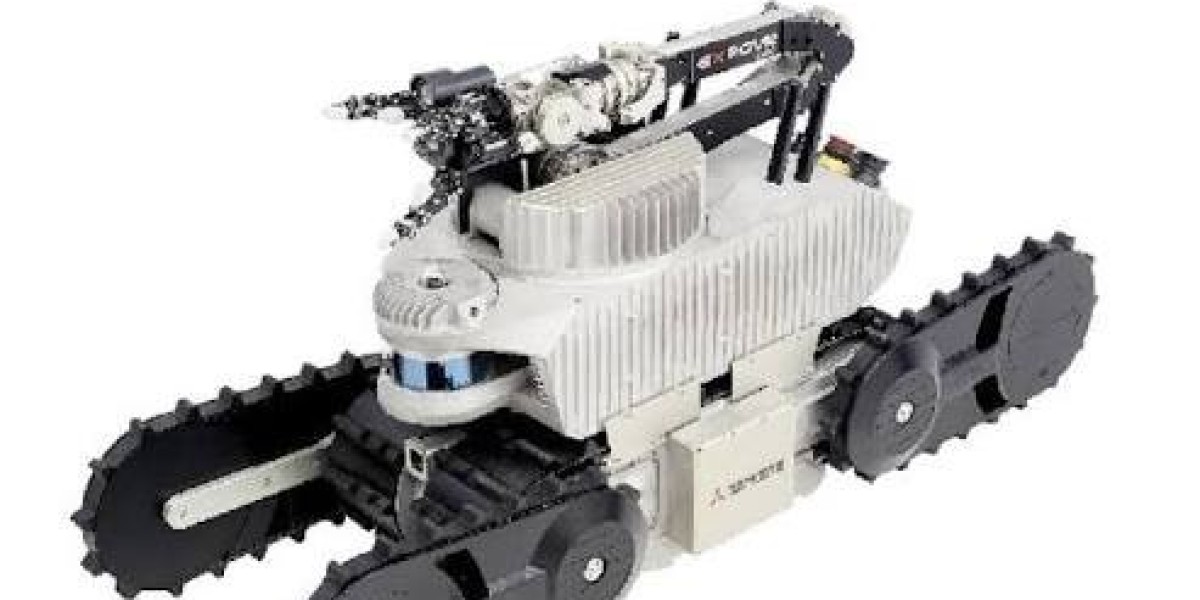

An ATEX Robot is designed for industrial applications in environments where flammable gases, vapours or combustible dust may create an explosive atmosphere. In the UK, these robotic systems can support selected operations across chemical manufacturing, pharmaceutical production, oil and gas facilities, and powder-processing industries. Their suitability depends on the hazardous-area classification, equipment protection method, temperature limitations and operating conditions. Understanding ATEX requirements helps businesses evaluate whether a robotic system is appropriate for a specific industrial environment. Hazardous areas may be classified into gas Zones 0, 1 and 2 or dust Zones 20, 21 and 22, depending on the likelihood of an explosive atmosphere occurring. Equipment selection should consider relevant conformity requirements, installation instructions and workplace safety obligations. Regular inspections, competent maintenance and appropriate risk assessments are also important. By considering these factors, organisations can better understand the role of ATEX Robots in industrial automation where explosion protection is a critical requirement.
Introduction
An ATEX Robot is an industrial robotic system designed to operate in environments where flammable gases, vapours, mists or combustible dust may create an explosive atmosphere. In the United Kingdom, these robots are relevant to industries that require automation while maintaining strict workplace safety standards. Their design focuses on reducing the risk of ignition during robotic operations.
ATEX refers to the European framework for equipment intended for use in potentially explosive atmospheres. Such equipment must meet applicable requirements for the environment in which it operates. An ATEX Robot can support industrial activities involving material handling, inspection, assembly and other repetitive tasks where conventional robotic equipment may not be suitable.
The selection of an appropriate robotic system depends on the hazardous area classification, operating conditions, task requirements and applicable safety regulations. Understanding these factors helps industries assess how robotics can be integrated into environments where explosion protection is essential.
What Is an ATEX Robot?
An ATEX Robot is a robot designed and assessed for use in specified potentially explosive atmospheres. Its construction and protective measures are intended to reduce the likelihood that the equipment will ignite the surrounding atmosphere under the conditions for which it is approved.
Conventional industrial robots may contain electrical components, motors, switches and moving parts that generate heat or other potential ignition sources. In hazardous environments, these characteristics require careful assessment. An ATEX Robot incorporates suitable protection measures based on its intended application and the hazards present.
The term does not automatically mean that a robot is suitable for every hazardous location. Its permitted use depends on the equipment category, gas or dust classification, temperature limitations and relevant conformity documentation.
Importance of ATEX Robots in the UK
Several UK industries handle materials that can produce explosive atmospheres. These include chemical processing, pharmaceutical manufacturing, oil and gas operations, food production and certain facilities that process combustible powders.
In these settings, automated equipment may need to work near flammable substances or airborne dust. An appropriately specified ATEX Robot can perform designated tasks while helping facilities manage ignition risks.
The UK has regulatory requirements concerning equipment used in potentially explosive atmospheres. The applicable requirements depend on the product, its intended market and the circumstances of its use. Businesses must consider relevant equipment conformity rules alongside workplace health and safety obligations.
An ATEX Robot should therefore be treated as one component of a broader explosion-protection strategy rather than a complete safety solution on its own.
Key Features of an ATEX Robot
Explosion Protection
Explosion protection is a central characteristic of an ATEX Robot. Depending on its design, the equipment may use protective enclosures, controlled surface temperatures or other recognised protection techniques to reduce ignition risks.
The specific protection method must be suitable for the atmosphere in which the robot will operate.
Temperature Control
Excessive surface temperatures can ignite certain gases, vapours or combustible dusts. Temperature limitations are therefore important when selecting robotic equipment for hazardous areas.
The robot's permitted temperature characteristics must be compatible with the ignition properties of the substances present.
Suitable Electrical Components
Motors, sensors, wiring and control components require careful consideration in explosive atmospheres. Their protection arrangements must match the equipment's intended hazardous-area classification.
Not every component used in an industrial robot is automatically suitable for ATEX applications.
Mechanical Safety
Mechanical movement can also introduce risks through friction, impact or heat generation. The robot's design, operating speed, payload and maintenance condition should be assessed as part of the overall risk-management process.
Applications of ATEX Robots
Chemical Manufacturing
Chemical facilities may handle solvents, flammable liquids and gases. An appropriately specified ATEX Robot can support selected material-handling, transfer or processing tasks within designated hazardous areas.
Pharmaceutical Production
Some pharmaceutical processes involve flammable solvents, powders or other materials that require controlled handling. Robotic automation can help perform repetitive operations when the equipment is suitable for the classified environment.
Oil and Gas Facilities
Oil and gas operations may contain areas where flammable gases or vapours can accumulate. Specially assessed robotic systems can support certain inspection and handling activities, subject to operational and safety requirements.
Food and Powder Processing
Industries that process flour, sugar, starch and other combustible dusts may require equipment designed for dusty hazardous environments. The robot must be approved for the relevant dust classification and operating conditions.
Understanding Hazardous Area Classification
Before an ATEX Robot is selected, the operating area must be assessed to determine the nature and likelihood of an explosive atmosphere.
For gas and vapour environments, hazardous areas are commonly classified as Zones 0, 1 and 2. For combustible dust, the corresponding classifications are Zones 20, 21 and 22.
These classifications describe the frequency and duration with which an explosive atmosphere may occur. Equipment must have the appropriate suitability and protection for its intended zone.
Factors such as gas group, dust characteristics, temperature class, ambient conditions and equipment category also influence selection. A robot approved for one hazardous environment may not be appropriate for another.
Compliance and Maintenance Considerations
UK businesses should verify the applicable conformity requirements before introducing an ATEX Robot into a hazardous workplace. Documentation, equipment markings, installation instructions and operating limitations should be reviewed carefully.
Installation must follow the manufacturer's instructions and the site's explosion-protection procedures. Personnel responsible for installation, inspection and maintenance should have suitable competence for the equipment and hazardous environment.
Routine inspections can help identify damaged enclosures, deteriorating seals, loose connections and other conditions that could affect protection. Any repair or modification must preserve the equipment's required safety characteristics.
Risk assessments should also consider the complete robotic installation, including end effectors, cabling, sensors, power supplies and associated machinery.
Conclusion
An ATEX Robot provides a specialised approach to industrial automation in potentially explosive environments. In the UK, its suitability depends on the hazardous-area classification, equipment protection, operating conditions and applicable legal requirements. Understanding these factors enables businesses to assess robotic applications more effectively. Appropriate selection, competent installation, regular maintenance and comprehensive risk assessment remain essential for safe operation.