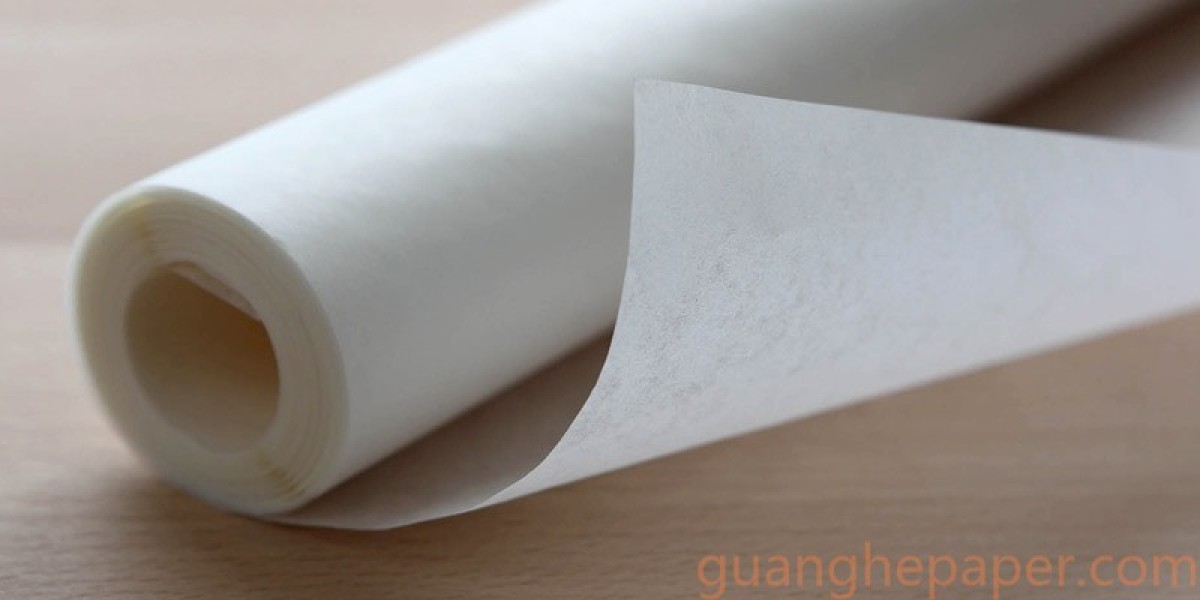

Reliable sourcing is essential for businesses that use paper products in baking, food preparation, and packaging. Bakeries, restaurants, food processors, distributors, and catering companies need materials that fit their workflows and remain consistent across repeat orders. Choosing a Parchment Paper Supplier involves assessing product performance, available formats, quality control, customization, and delivery reliability. A structured purchasing process can help businesses reduce supply disruptions and maintain consistent operating standards.
One of the first considerations is the intended application. Paper used to line baking trays may have different requirements from paper designed for wrapping food or separating individual portions. For baking, a non-stick surface helps reduce sticking and makes it easier to remove cookies, pastries, and other products from trays. Silicone-coated paper is commonly used for this purpose, but buyers should confirm the specific product's recommended applications and temperature limits before placing it into service.
Material quality influences the way paper performs during daily use. The base paper should have suitable strength, flexibility, and surface consistency for the selected application. If the paper tears during handling or varies considerably between batches, workers may need additional time to prepare trays or package food. Buyers can request samples to assess cutting, folding, release performance, and compatibility with their equipment. Sample evaluation is particularly useful before committing to a large wholesale order.
Product specifications should be clearly documented. Important details may include paper weight, thickness, roll width, roll length, sheet dimensions, coating type, and packaging format. These details make it easier to compare quotations from different sources and reduce the risk of receiving a product that does not meet operational requirements. For customized orders, written specifications and sample approval can help both parties establish a clear understanding before production begins.
Different formats suit different business models. Rolls allow staff to cut paper to the desired length and can be practical for kitchens with varied tray sizes. Pre-cut sheets reduce preparation time when equipment and baking procedures follow standardized dimensions. Distributors may also prefer packaging formats that simplify storage, labeling, and resale. A suitable sourcing partner should explain available options and help buyers select formats based on actual usage rather than simply offering the largest number of variations.
Quality assurance is another important part of supplier evaluation. Buyers can ask how the supplier monitors raw materials, coating consistency, dimensional accuracy, and finished packaging. For food-contact applications, applicable declarations and test reports should be reviewed for the specific product and destination market. General statements about food safety should not replace product-specific documentation. Businesses should also confirm storage recommendations and any restrictions that apply to their intended process.
Supply reliability affects inventory planning and customer service. Wholesale buyers need realistic production lead times, clear order confirmation, and timely updates when schedules change. Before ordering, it is useful to clarify minimum order quantities, sample availability, payment terms, shipping arrangements, and the process for reporting product issues. Businesses with seasonal demand should discuss forecasts early to reduce the risk of shortages during peak periods.
Price comparisons should account for more than the unit cost. Product consistency, packaging protection, shipping expenses, and the amount of labor required during use all influence the total cost of ownership. A paper that fits equipment correctly and performs consistently may help reduce waste and preparation delays. Buyers should therefore compare products using the same specifications and evaluate sample results alongside commercial terms.
Customization can provide additional value for growing businesses. Depending on production capabilities, buyers may request specific roll widths, sheet sizes, lengths, or packaging arrangements. Customized products can support standardized workflows and improve stock management, but requirements should be confirmed before production. Clear communication about order quantities, tolerances, artwork, and delivery dates helps avoid unnecessary revisions and delays.
Environmental considerations may also influence sourcing decisions. Businesses can request information about paper materials, coatings, packaging, and supporting documentation for any environmental claims. Recyclability and disposal depend on the complete product construction and local waste systems, so these details should be verified rather than assumed.
When evaluating a Parchment Paper Supplier, businesses should focus on application suitability, documented specifications, quality consistency, and long-term supply planning. A supplier that communicates clearly and provides relevant product information can help buyers manage purchasing more effectively. Guanghe offers paper solutions for baking and food packaging applications. Explore the available products at https://www.guanghepaper.com/product/ to identify suitable options for your business requirements.








