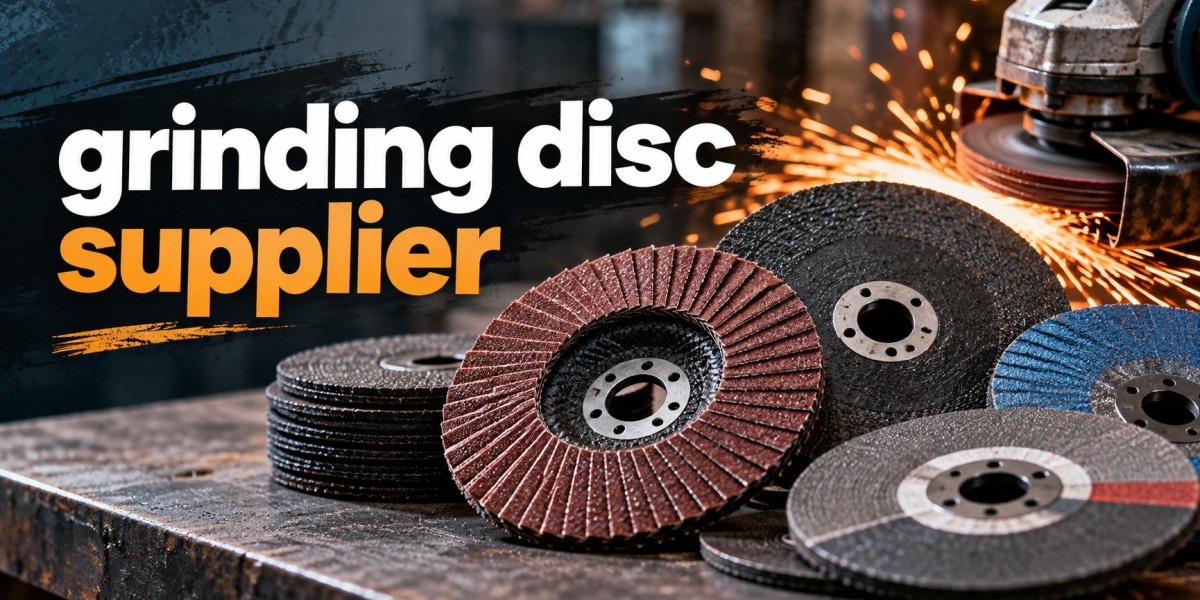

Choosing the right grinding disc supplier helps businesses find suitable products for their work. In this guide, we will explore the key factors buyers often overlook and explain how to make smarter purchasing decisions.
What Businesses Often Overlook When Buying Grinding Discs
Grinding discs are abrasive tools used to remove material, smooth rough surfaces, and prepare metal for further work. They are commonly used on steel, stainless steel, and other materials, depending on the disc type.
However, not every disc suits every task. Disc thickness, diameter, abrasive material, and maximum operating speed can affect performance and safety.
A reliable grinding disc supplier should help buyers understand these differences. For example, a disc designed for heavy material removal may not be the best choice for fine surface finishing.
Businesses should also consider how often the discs will be used. A workshop with daily grinding needs may require different products from a business handling occasional repairs.
The goal is simple: choose discs that match the job, work with the available equipment, and meet the required safety standards.
Top Factors to Consider Before Buying Grinding Discs
1. Check Material Compatibility
Firstly, identify the material you need to grind. Steel, stainless steel, and other metals may require different abrasive products.
Using the wrong disc can reduce efficiency and damage the workpiece. Always check the manufacturer's guidance before selecting a product.
2. Choose the Correct Disc Type
Grinding discs, cutting discs, and flap discs serve different purposes. Grinding discs remove material, cutting discs slice through materials, and flap discs help grind and finish surfaces.
Explain your application clearly when speaking with a supplier. This makes it easier to identify the right product.
3. Review Safety Specifications
Safety should never be an afterthought. Check the disc's maximum speed rating and ensure it matches the grinder's operating speed.
Inspect discs for damage before use. Follow the manufacturer's instructions for mounting, handling, and storage. Workers should also use suitable personal protective equipment, including eye and face protection.
A responsible grinding disc supplier should provide clear product information and help buyers understand the intended use of each disc.
4. Compare Product Life and Performance
The cheapest disc may not offer the best value. A disc that wears out quickly can increase replacement costs and interrupt work.
Compare the expected service life, material removal rate, finish quality, and price per task. These factors give a more realistic view of overall cost.
5. Check Stock and Delivery
Late deliveries can delay projects and affect production schedules. Before placing a large order, ask about stock availability, delivery times, and repeat-order support.
Businesses with regular grinding needs should look for suppliers that can provide consistent products and dependable service.
Common Mistakes to Avoid
One common mistake is choosing discs based only on price. Low-cost products may not deliver the performance or service life your team needs.
Another mistake is assuming that every disc fits every grinder. Always verify the disc diameter, bore size, mounting requirements, and speed rating.
Some buyers also overlook storage. Keep abrasive discs in suitable conditions and follow the manufacturer's storage instructions to protect their quality.
Finally, avoid purchasing from a grinding disc supplier that cannot provide clear specifications or answer basic questions about product use.
Where to Find Reliable Information
Start with the grinder manufacturer's manual and the abrasive disc manufacturer's technical documents. These resources explain compatible disc sizes, operating limits, and recommended applications.
You can also consult recognized safety guidance from organizations such as the Occupational Safety and Health Administration (OSHA) and relevant abrasive-product standards, including applicable EN standards.
Before buying, request product specifications and safety information. Ask about quality controls, product traceability, and recommended applications.
Industry trends are also worth watching. Improvements in abrasive materials and manufacturing can help users achieve better performance and more consistent results. However, a newer product is not automatically the right choice for every task.
A knowledgeable grinding disc supplier can help businesses compare available options based on their materials, workload, equipment, and budget.
Why Supplier Selection Matters for Long-Term Results
A suitable supplier can help businesses reduce purchasing errors and maintain a steady supply of essential tools. This is especially important for fabrication shops and industrial facilities with tight production schedules.
Good supplier support also makes it easier to identify products for different jobs. Clear specifications and consistent product availability help teams plan their work with greater confidence.
When evaluating a grinding disc supplier, consider product range, technical knowledge, communication, delivery performance, and overall value. These factors can make a real difference to daily operations.
Conclusion
Buying grinding discs involves more than comparing prices. Businesses should check material compatibility, disc type, safety ratings, product life, and delivery reliability before placing an order. Choosing a dependable grinding disc supplier can help improve purchasing decisions and support safer, more efficient work. Before your next order, review your team's requirements, compare product specifications, and request the information needed to select the right discs for your applications.
Frequently Asked Questions
1. How do I choose the right grinding disc supplier?
Compare product quality, available disc types, technical documentation, safety information, stock levels, and delivery reliability. Choose a supplier that understands your application.
2. How do I select the correct grinding disc?
Consider the material, type of work, disc dimensions, grinder compatibility, and required finish. Always follow the disc and tool manufacturers' instructions.
3. What is the difference between a grinding disc and a cutting disc?
A grinding disc is designed mainly for removing material and smoothing surfaces. A cutting disc is designed to cut through material. Use each only for its intended purpose.
4. How can businesses reduce grinding disc costs?
Compare performance and service life instead of looking only at the purchase price. Correct disc selection, proper handling, and suitable storage can also help reduce waste.
5. What safety checks should workers perform before using a grinding disc?
Check the disc for visible damage, verify its speed rating, and confirm that it is compatible with the grinder. Install it according to the manufacturer's instructions and wear appropriate protective equipment.