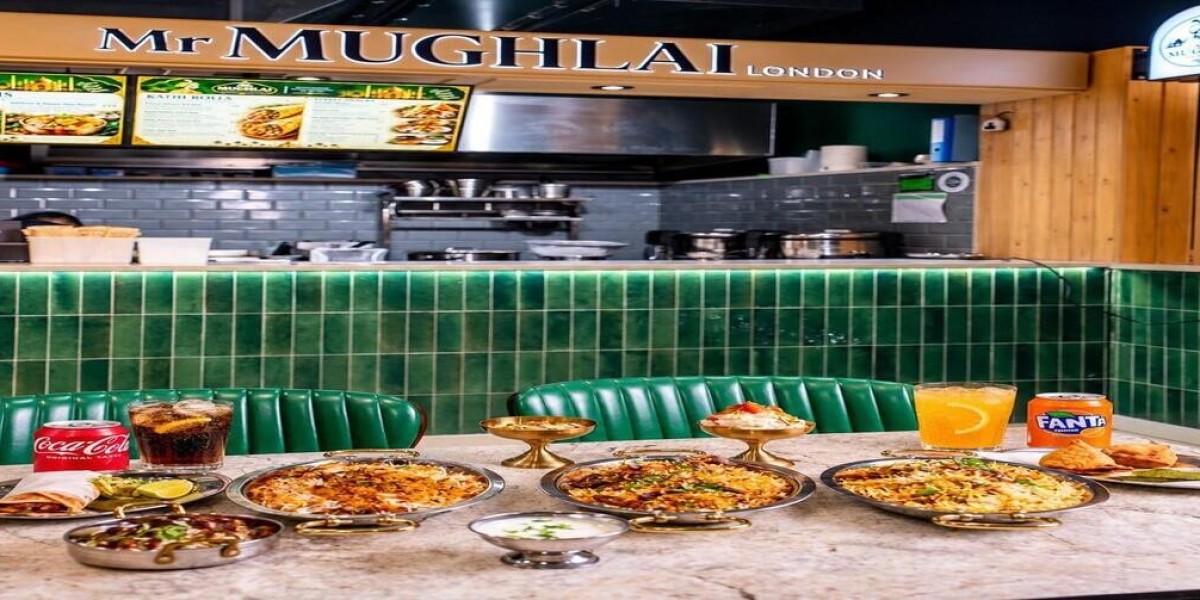

London’s busy lifestyle has made food delivery an important part of everyday dining. From office lunches to relaxed meals at home, customers increasingly value convenience, freshness, and reliable service. However, delivering rice-based dishes presents particular challenges because rice can change in texture, moisture, and temperature between preparation and arrival. Understanding these factors helps explain what makes Indian Food Delivery London an important part of the city’s evolving food culture.
Why Rice-Based Dishes Require Special Attention
Rice is a staple ingredient across many Indian culinary traditions. Its texture depends on the rice variety, water absorption, cooking temperature, and preparation method. Once cooking is complete, maintaining the right balance of moisture becomes essential.
Unlike some foods that remain relatively consistent during transportation, rice can continue to soften when trapped steam condenses inside a container. Excess moisture may make the grains sticky, while insufficient moisture can leave them dry.
For delivery kitchens in London, careful preparation and suitable packaging are therefore essential to maintaining the intended quality of rice-based meals.
The Main Challenges of Delivering Rice-Based Food
1. Maintaining the Right Texture
Texture is one of the most important qualities of a well-prepared rice dish. Ideally, the grains should retain their intended consistency without becoming excessively soft or dry.
During transportation, residual heat and steam can affect the rice. A tightly sealed container may retain warmth but also trap condensation. If moisture accumulates, the texture can change before the customer opens the package.
Practical ways to manage this challenge include:
Using appropriate food-grade containers.
Controlling moisture during preparation.
Selecting packaging that limits excessive condensation.
Packing food carefully to reduce unnecessary movement.
These measures help preserve the characteristics established during cooking.
2. Keeping Food at a Safe Temperature
Temperature management is an important part of food delivery. Cooked rice requires particular care because Bacillus cereus spores may survive the cooking process and grow if food is improperly cooled or held at unsuitable temperatures.
The UK Food Standards Agency advises that cooked rice should be cooled as quickly as possible, ideally within one hour, and refrigerated or frozen promptly. Reheated rice should be steaming hot throughout, and rice should not be reheated more than once.
For businesses providing Indian food delivery in London, appropriate food-safety procedures must cover preparation, storage, dispatch, and transportation. Maintaining food quality should never come at the expense of safe handling.
3. Choosing Suitable Packaging
Packaging affects both the presentation and condition of rice-based meals. Containers must be strong enough to withstand transportation while helping prevent leaks, spills, and excessive heat loss.
Packaging decisions should consider several factors:
Moisture control: Reducing unwanted condensation helps protect texture.
Secure closures: Properly fitted lids minimise spills during transit.
Food safety: Materials must be suitable for contact with food.
Portion separation: Separating components where appropriate can help preserve their individual textures.
Transport stability: Containers should remain secure when carried or stacked.
Effective packaging supports a better delivery experience while helping reduce avoidable food waste.
How Cooking Methods Influence Delivery Quality
Traditional Indian cooking methods can influence how well rice-based dishes withstand transportation. Preparation techniques that carefully manage heat, moisture, and cooking time can help establish the desired texture before packaging.
For example, dum cooking uses a sealed environment to develop aroma and allow ingredients to cook together. However, the same retention of steam that supports flavour development can create condensation during delivery if packaging and dispatch are not managed carefully.
This makes coordination between the kitchen and delivery process particularly important. Rice should be prepared consistently, packed using suitable containers, and dispatched according to established food-safety procedures.
The Role of Delivery Time and Distance
London’s traffic, roadworks, weather, and busy streets can influence journey times. A meal prepared carefully in a kitchen may lose heat or change texture if transportation takes longer than expected.
Although delivery businesses cannot control every road condition, they can improve the process through practical planning:
Organising orders efficiently before dispatch.
Using reliable delivery procedures.
Minimising unnecessary waiting after food is packed.
Choosing packaging suited to the expected journey.
Communicating realistic delivery estimates.
For customers, clear communication and careful handling contribute to confidence in the overall service.
What Customers Expect from Indian Food Delivery London
Customers generally want more than convenience. They expect food to arrive in good condition, packaging to remain secure, and meals to reflect the care taken during preparation.
Several factors influence the overall experience:
Consistency: Food should meet a dependable standard across orders.
Freshness: Preparation and dispatch should be coordinated effectively.
Food safety: Storage and transport must follow appropriate guidance.
Reliable service: Customers benefit from clear communication about delivery.
Attention to detail: Suitable packaging and careful handling help protect the meal.
Meeting these expectations requires cooperation between kitchen staff, packaging processes, and delivery personnel.
Improving the Rice-Based Food Delivery Experience
A successful delivery process begins before an order leaves the kitchen. Staff need clear procedures for preparation, temperature control, packaging, and dispatch. Regular reviews can help identify recurring problems, such as excessive condensation, damaged containers, or delays between cooking and collection.
Businesses can also use customer feedback to understand whether meals consistently arrive in suitable condition. Monitoring these details supports practical improvements without relying on exaggerated claims or unrealistic promises.
As London’s food delivery culture continues to evolve, attention to these operational details remains essential for businesses serving traditional Indian cuisine.
Conclusion
Delivering rice-based dishes requires a careful balance of cooking quality, moisture management, suitable packaging, safe temperatures, and efficient transportation. Each stage contributes to the condition of the meal when it reaches the customer.
For Indian Food Delivery London, understanding these challenges helps businesses develop more reliable processes and gives customers a clearer appreciation of what quality delivery involves. By combining traditional cooking knowledge with responsible food handling and thoughtful logistics, restaurants can work towards a more consistent dining experience.
Discover Mr Mughlai London
Mr Mughlai London brings Mughlai culinary traditions to the Edgware Road area, connecting familiar Indian flavours with the character of London’s diverse food culture. For customers exploring Indian cuisine in Tyburnia, careful preparation and attention to the dining experience remain important considerations.
Contact Mr Mughlai London:
Address: 145-147 Edgware Road, Tyburnia, London, W2 2HR
Mobile: +44 7700 012345
Email: admin@mrmughlailondon.com