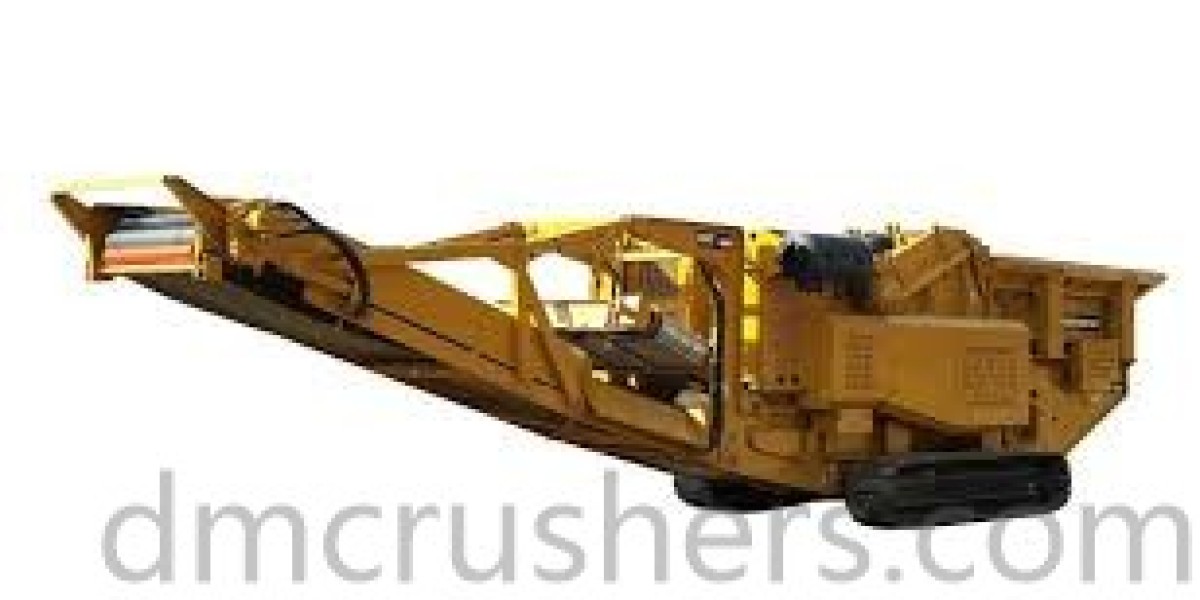

In quarrying, mining, construction, and infrastructure development, a Stone Crushing Machine helps convert large pieces of natural rock into aggregates suitable for different engineering applications. Its effectiveness depends on the relationship between material characteristics, mechanical design, feeding conditions, wear resistance, and the required final product. Selecting equipment according to these factors can help establish a reliable processing workflow, reduce avoidable interruptions, and improve the utilization of extracted resources.
Natural stone varies significantly in hardness, density, abrasiveness, moisture content, and fracture structure. Limestone may behave differently from granite or basalt under the same mechanical conditions, affecting both the reduction process and the service life of wear components. Operators should understand the properties of the incoming material before determining a suitable processing arrangement. This assessment helps establish realistic expectations for production, energy consumption, and maintenance requirements.
Mechanical structure is fundamental to dependable operation. The main frame must withstand repeated working loads while maintaining alignment between important components. Shafts, bearings, crushing chambers, drive systems, protective liners, and discharge assemblies must function together as an integrated mechanical system. Appropriate structural design can help distribute operational forces and reduce unnecessary stress. Components exposed to continuous contact with abrasive material also require suitable wear protection and convenient access for inspection.
Feeding conditions influence how effectively material passes through the reduction process. A steady supply generally helps maintain more consistent loading, while irregular feeding can create fluctuations that affect equipment performance. Oversized pieces, foreign objects, and unsuitable material mixtures may cause blockages or accelerate component deterioration. Preparing material before processing can reduce these risks and help maintain a more predictable production sequence.
The intended application determines the required product characteristics. Aggregates used in concrete, road construction, drainage, and general filling may have different size and grading requirements. A processing arrangement should therefore consider the final application rather than focusing exclusively on the initial reduction stage. Screening equipment can separate material into specified size ranges, while additional reduction stages may be needed when the incoming material or product requirements demand further processing.
Wear management is especially important when handling hard or abrasive rock. Repeated contact gradually changes the condition of liners, working surfaces, and other exposed components. If wear becomes excessive, it may affect product consistency, mechanical efficiency, and the condition of neighboring parts. Routine inspection helps identify deterioration before it creates wider operational problems. Replacing worn components at an appropriate time can also reduce the likelihood of unexpected shutdowns.
Maintenance planning should reflect both operating intensity and material conditions. Bearings, lubrication points, drive assemblies, belts, fasteners, and structural connections require regular attention. Operators should monitor changes in vibration, unusual sounds, temperature, and discharge behavior because these signs may indicate developing faults. Documenting inspections and repairs helps maintenance teams identify recurring issues and improve future service schedules.
Safety procedures should be established for normal operation, cleaning, inspection, and repair. Falling rock, rotating components, stored energy, dust, and restricted maintenance areas can expose workers to hazards. Protective guards, emergency stops, clearly marked access routes, warning systems, and appropriate energy isolation procedures help reduce these risks. Personnel should also understand how to respond to abnormal operating conditions and why equipment must be isolated before maintenance begins.
Environmental management is another part of responsible stone processing. Dust suppression, controlled material transfer, appropriate equipment positioning, and efficient transportation can help reduce environmental impacts. Where suitable, recovered construction materials may be processed for reuse, reducing waste and supporting more efficient resource utilization. Better coordination between processing stages can also limit repeated handling and unnecessary energy consumption.
A well-selected Stone Crushing Machine supports effective production when its mechanical design, feed material, maintenance plan, and output requirements are considered together. The most appropriate arrangement depends on the rock type, intended aggregate application, site conditions, and expected production workflow. Additional equipment information is available at https://www.dmcrushers.com/product/stationary-crusher/ for projects evaluating suitable stone processing solutions.