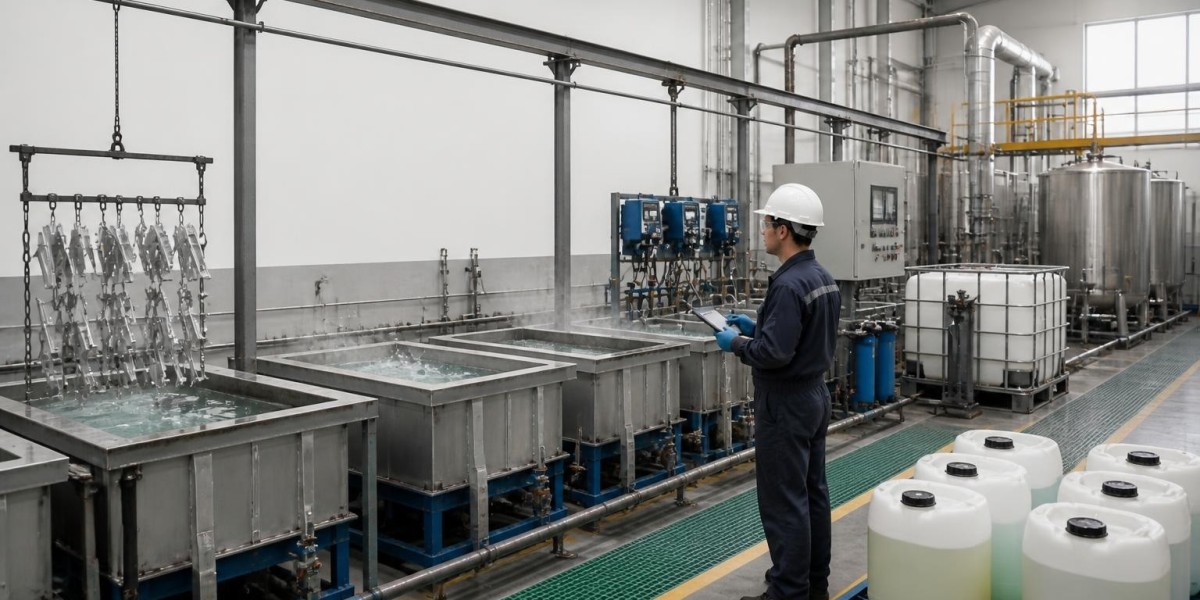

Reducing chemical consumption is a major priority for manufacturers looking to improve productivity, control operating costs, and maintain consistent surface quality. In metal pretreatment lines, excessive chemical use can increase production expenses, generate more wastewater, and create difficulties in maintaining stable process conditions.
For businesses in the UAE, improving pretreatment efficiency is especially important in industries such as automotive components, metal fabrication, aluminium processing, and powder coating. By optimizing chemical concentration, bath temperature, cleaning stages, and rinsing practices, manufacturers can achieve better results without compromising coating quality.
Working with an experienced pretreatment chemicals manufacturer can also help businesses identify process improvements and select suitable chemicals for their production requirements. Here are six practical ways to reduce chemical consumption and improve efficiency in metal pretreatment lines.
1. Maintain the Correct Chemical Concentration
Incorrect chemical concentration is one of the common reasons for unnecessary chemical consumption. Excessive dosing increases operating costs, while insufficient concentration can result in poor cleaning, inadequate surface preparation, and coating adhesion problems.
Manufacturers should regularly monitor bath concentration using suitable methods, such as titration or other supplier-recommended testing procedures. Chemical additions should be based on test results and actual process requirements rather than fixed assumptions.
Maintain a documented schedule for bath testing, chemical replenishment, and corrective actions. This helps operators keep the pretreatment process stable and reduces unnecessary chemical additions.
2. Improve Cleaning and Degreasing Efficiency
The cleaning stage removes oil, grease, dust, and other contaminants from metal surfaces before coating or painting. If cleaning is ineffective, the entire pretreatment process may suffer.
To improve cleaning efficiency, review the following factors:
Chemical selection: Choose a cleaner suitable for the metal substrate and type of contamination.
Temperature control: Maintain the recommended operating temperature for the selected chemical.
Contact time: Provide sufficient cleaning time without extending the process unnecessarily.
Spray pressure: Check nozzle condition and spray coverage in spray-based systems.
Bath maintenance: Remove accumulated oil and contaminants using suitable treatment methods.
A properly maintained cleaning stage can reduce rework, prevent repeated processing, and support more efficient chemical use.
3. Optimize Rinsing to Reduce Chemical Carryover
Rinsing removes residual chemicals and contaminants from metal surfaces between pretreatment stages. Poor rinsing can transfer chemicals from one bath to another, affecting bath stability and increasing the need for corrective chemical additions.
Manufacturers can improve rinsing efficiency by checking water quality, monitoring rinse tank contamination, maintaining spray nozzles, and ensuring adequate drainage between stages.
Counter-current rinsing may also help reduce freshwater consumption. In this arrangement, cleaner water enters the final rinse stage and flows toward earlier rinse stages, allowing water to be used more efficiently.
The right rinsing configuration depends on the production line, chemical system, and required surface quality. Consult your pretreatment chemicals supplier before changing an established process.
4. Monitor Bath Conditions and Replace Chemicals at the Right Time
Pretreatment baths gradually accumulate contaminants as they process metal components. Over time, contamination can reduce cleaning performance and affect the consistency of subsequent coating operations.
Instead of replacing an entire bath based only on a fixed schedule, manufacturers should evaluate relevant operating parameters. These may include chemical concentration, pH where applicable, contamination levels, conductivity, and other supplier-recommended indicators.
Use documented limits to determine when a bath requires replenishment, partial replacement, or complete replacement.
Routine monitoring helps identify problems early, prevents unexpected process failures, and supports better planning for chemical purchases and wastewater treatment.
5. Use Automation and Regular Equipment Maintenance
Automated dosing systems can help maintain chemical concentrations within the recommended operating range. Depending on the system, they can reduce manual dosing errors, improve consistency, and provide better control over chemical additions.
However, automation works effectively only when sensors are calibrated and dosing equipment is maintained correctly.
Manufacturers should also inspect pumps, valves, filters, spray nozzles, and temperature-control systems regularly. Leaking equipment, blocked nozzles, and inaccurate sensors can waste chemicals and create inconsistent treatment conditions.
Keep maintenance records and train operators to identify abnormal chemical consumption before it becomes a larger production issue.
6. Work With a Reliable Pretreatment Chemicals Manufacturer in UAE
Selecting the right chemical supplier is an important part of improving pretreatment efficiency. Experienced chemical manufacturers in UAE can help industrial buyers evaluate their existing process, select suitable formulations, and establish appropriate monitoring procedures.
When evaluating a supplier, consider:
Product suitability for steel, aluminium, or other relevant substrates.
Technical support for bath monitoring and process optimization.
Clear product specifications and recommended operating conditions.
Guidance on chemical handling, storage, and wastewater considerations.
Consistent product quality and dependable supply.
A supplier familiar with industrial pretreatment processes can help identify the causes of excessive consumption rather than simply recommending higher chemical dosages.
Before implementing major process changes, conduct controlled trials and compare chemical consumption, surface quality, rework rates, and operating costs.
Conclusion
Reducing chemical consumption in metal pretreatment lines requires consistent monitoring, efficient cleaning, optimized rinsing, proper equipment maintenance, and the correct chemical selection. These improvements can help manufacturers control costs, maintain surface quality, and reduce avoidable waste.
For industrial businesses in the UAE, partnering with a knowledgeable pretreatment chemicals manufacturer can provide valuable technical guidance and support long-term process improvement.
Looking to optimize your metal pretreatment line? Contact a trusted pretreatment chemical supplier to discuss your current process, review chemical consumption, and identify practical opportunities to improve efficiency without compromising coating performance.
Frequently Asked Questions (FAQs)
1. How can manufacturers reduce chemical consumption in metal pretreatment?
Manufacturers can monitor chemical concentration, optimize cleaning conditions, improve rinsing efficiency, maintain equipment, and use controlled dosing systems to prevent unnecessary chemical additions.
2. Why is chemical concentration important in metal pretreatment?
Correct concentration helps remove contaminants effectively and maintain consistent surface preparation. Excessive concentration can increase costs, while insufficient concentration may lead to cleaning defects and coating adhesion problems.
3. What should businesses look for in a pretreatment chemicals manufacturer in UAE?
Look for substrate-specific products, technical expertise, clear operating guidelines, reliable supply, quality documentation, and support with process monitoring and troubleshooting.
4. How often should pretreatment chemicals be tested?
Testing frequency depends on production volume, bath loading, chemical type, and process stability. High-throughput lines may require more frequent checks. Follow the chemical manufacturer's recommendations and establish a monitoring schedule based on actual operating conditions.