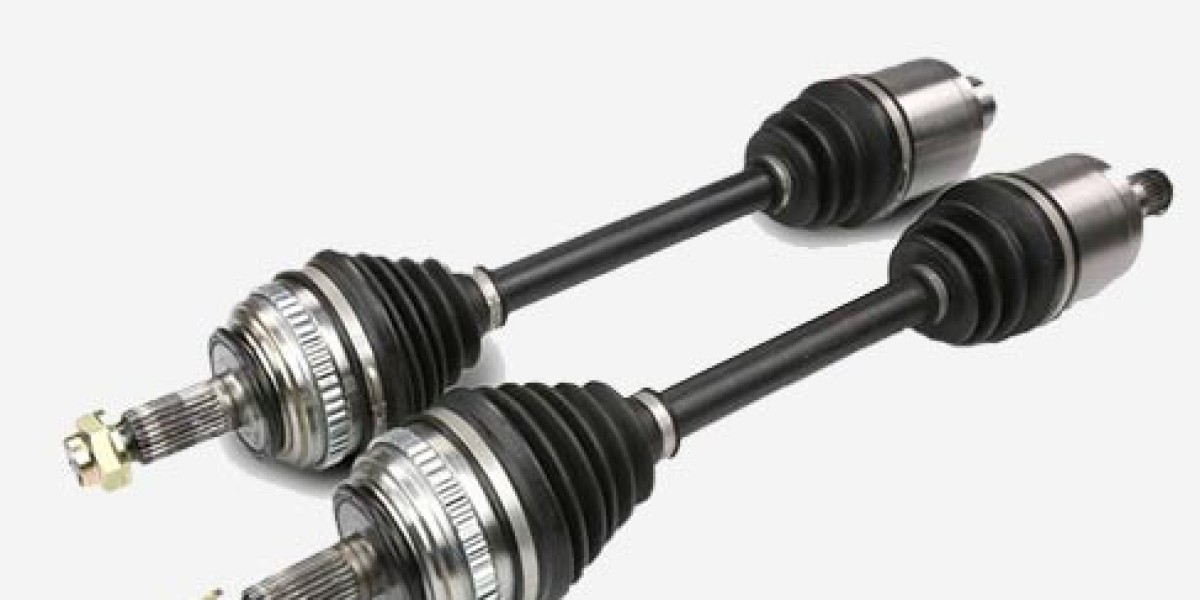

Feeling vibration underneath your car when driving at highway speeds can indicate a problem with the driveline, wheels, tyres or suspension. The vibration may become noticeable as you reach a particular speed, increase during acceleration or continue while cruising.
Although some causes are relatively minor, persistent vibration should not be ignored. Identifying the source early can help prevent additional wear and determine whether the vehicle needs balancing, component repairs or replacement.
Understanding the common causes of highway-speed vibration can help you recognise the warning signs and arrange an appropriate inspection.
Tailshaft Imbalance
A tailshaft transfers rotational power from the transmission or transfer case to the differential in many rear-wheel-drive and four-wheel-drive vehicles. Because it rotates at high speed, correct balance is important for smooth operation.
If the tailshaft becomes damaged, bent or incorrectly assembled, it may develop an imbalance. This can produce vibration that becomes more noticeable at particular highway speeds.
The vibration may be felt through the floor, seat or body of the vehicle. It can sometimes change as the vehicle accelerates or slows down.
Tailshaft balancing can help when imbalance is confirmed as the cause. However, balancing alone will not correct a bent shaft, worn universal joints or damaged bearings.
Worn Universal Joints
Universal joints allow the tailshaft to operate through changing angles while transferring rotational power.
Over time, these joints can develop wear, looseness or excessive movement. This may affect the smooth rotation of the shaft and contribute to vibration at higher speeds.
Other warning signs can include clunking when taking off, knocking during acceleration and unusual noises when the driveline load changes.
If highway-speed vibration occurs alongside these symptoms, the universal joints and surrounding components should be inspected.
Damaged or Worn Centre Bearing
Some vehicles use a two-piece tailshaft supported by a centre bearing. The bearing and its rubber support help keep the shaft correctly positioned as it rotates.
When the bearing or support deteriorates, the tailshaft may develop excessive movement. This can cause vibration, particularly during acceleration or at certain speeds.
You may also notice shuddering at low speeds, clunking when taking off or unusual noises underneath the vehicle.
Checking the centre bearing alongside the tailshaft and universal joints can help identify the source of the vibration.
Bent or Damaged Tailshaft
Physical damage can affect how a tailshaft rotates. An impact from road debris, incorrect handling, corrosion or previous repair work may cause damage that interferes with smooth operation.
A bent or dented shaft can create vibration that becomes more noticeable as rotational speed increases.
If you notice persistent vibration underneath the vehicle, a specialist providing tailshaft Melbourne services can assess the shaft and associated components to determine whether repair, reconditioning or replacement is appropriate.
Wheel and Tyre Imbalance
Wheel and tyre imbalance is another common cause of vibration at highway speeds.
If the weight around a wheel and tyre assembly is unevenly distributed, the imbalance can produce shaking as the wheel rotates. The vibration may be felt through the steering wheel, floor or seat, depending on which wheel is affected.
Other possible causes include damaged tyres, uneven tyre wear, incorrect wheel fitting or a bent wheel.
Because wheel-related vibration can feel similar to driveline vibration, checking the wheels and tyres is an important part of the diagnostic process.
Worn CV Joints
CV joints transfer power to the driven wheels while accommodating changes in steering and suspension angles.
Worn or damaged CV joints can cause vibration under acceleration, particularly when the vehicle is under load. Depending on the type of joint and the extent of wear, clicking or knocking noises may also occur.
If vibration is accompanied by clicking during turns or shuddering when accelerating, CV joints should be considered during the inspection.
The symptoms alone cannot confirm a CV joint fault, as other driveline components may produce similar behaviour.
Damaged CV Boots
CV boots protect the joints by retaining grease and preventing dirt and moisture from entering.
When a boot cracks or splits, grease can escape and contaminants can enter the joint. Continued driving may contribute to premature joint wear, which can eventually lead to vibration or unusual noises.
Grease around the inside of a wheel or visible damage to a boot can indicate a problem.
Inspecting CV boots alongside the CV joints can help identify whether the protective boot or the joint itself requires attention.
Worn Wheel Bearings
Wheel bearings allow the wheels to rotate smoothly. When a bearing becomes worn or damaged, it can produce humming, rumbling or other unusual noises that may change with road speed.
In some cases, a wheel bearing problem can also contribute to vibration or affect the vehicle's handling.
Because these symptoms can overlap with tyre and driveline issues, the wheel bearings should be checked if the source of the vibration is unclear.
Suspension Problems
Suspension components help maintain tyre contact with the road and support stable vehicle handling.
Worn bushes, damaged suspension components or loose connections can contribute to vibration, instability or unusual noises. Problems may become more noticeable on uneven road surfaces or when travelling at higher speeds.
If the vehicle feels unsettled or the vibration occurs alongside handling changes, the suspension should be inspected as part of the diagnosis.
Engine and Transmission Mounts
Engine and transmission mounts control powertrain movement and help absorb vibration.
If a mount becomes worn or damaged, vibration from the engine or transmission may be transferred more noticeably into the vehicle body.
The symptoms may become stronger during acceleration or when the powertrain is under load. A clunk when changing gears or taking off may also occur.
A technician can inspect the mounts and determine whether the vibration is related to powertrain movement rather than the tailshaft or wheels.
Can Steering Problems Cause Vibration?
Steering system faults can contribute to vibration or unusual feedback, particularly when the steering wheel shakes or the vehicle feels difficult to control.
A worn steering rack or related steering component may cause excessive play, knocking or changes in steering response. However, highway-speed vibration is not necessarily caused by the steering rack itself.
Where a steering fault is identified, power steering rack repair may be required depending on the condition of the system.
The wheels, tyres, suspension and driveline should also be considered before confirming the cause.
Why Does the Vibration Occur at Certain Speeds?
Vibration that appears at a particular speed can provide a useful diagnostic clue.
Rotating components may produce more noticeable vibration within certain speed ranges. For example, an imbalanced wheel or tailshaft may cause little noticeable shaking at low speeds but become more apparent as rotational speed increases.
The vibration may also change when accelerating, maintaining a steady speed or releasing the accelerator.
These differences can help a technician narrow down the possible cause, but they do not identify a specific fault on their own.
How to Identify the Source of the Vibration
Pay attention to when and where the vibration occurs.
Useful details include:
The speed at which the vibration begins
Whether it increases during acceleration
Whether it continues while cruising
Whether it changes when you release the accelerator
Whether it is felt through the steering wheel, floor or seat
Whether clicking, humming or clunking noises occur
Whether the vehicle pulls to one side
Whether the vibration started after a tyre change or mechanical repair
Sharing these details can help the technician determine which components need to be checked first.
When Should You Arrange an Inspection?
Persistent or worsening highway-speed vibration should be investigated rather than ignored.
Arrange an inspection if you notice repeated shaking, unusual driveline noises, clunking during acceleration, clicking during turns or changes in steering and handling.
If the vibration becomes severe, the vehicle feels unstable or you suspect a loose or damaged component, slow down safely, pull over when possible and arrange professional assistance rather than continuing at highway speed.
What Happens During a Driveline Inspection?
A professional inspection may include checking the tailshaft, universal joints, centre bearing, CV joints, CV boots and related mounting components.
Depending on the symptoms, the technician may also examine the wheels, tyres, wheel bearings, suspension, steering system and engine or transmission mounts.
If tailshaft imbalance is suspected, the shaft may need further assessment to determine whether balancing is appropriate. Physical damage and worn components must be identified before deciding on the repair.
A systematic diagnosis helps avoid replacing parts that are not responsible for the vibration.
Final Thoughts
Vibration underneath a car at highway speeds can result from tailshaft imbalance, worn universal joints, centre bearing problems, damaged CV joints, wheel and tyre imbalance, worn bearings or suspension issues.
The speed at which the vibration occurs and whether it changes during acceleration can provide useful clues. However, several mechanical problems can produce similar symptoms, making accurate diagnosis important.
If your vehicle develops persistent highway-speed vibration, a professional inspection can help determine whether the issue involves the tailshaft, CV joints, wheels or another component. Addressing the underlying cause can help restore smoother operation and reduce the risk of further damage.