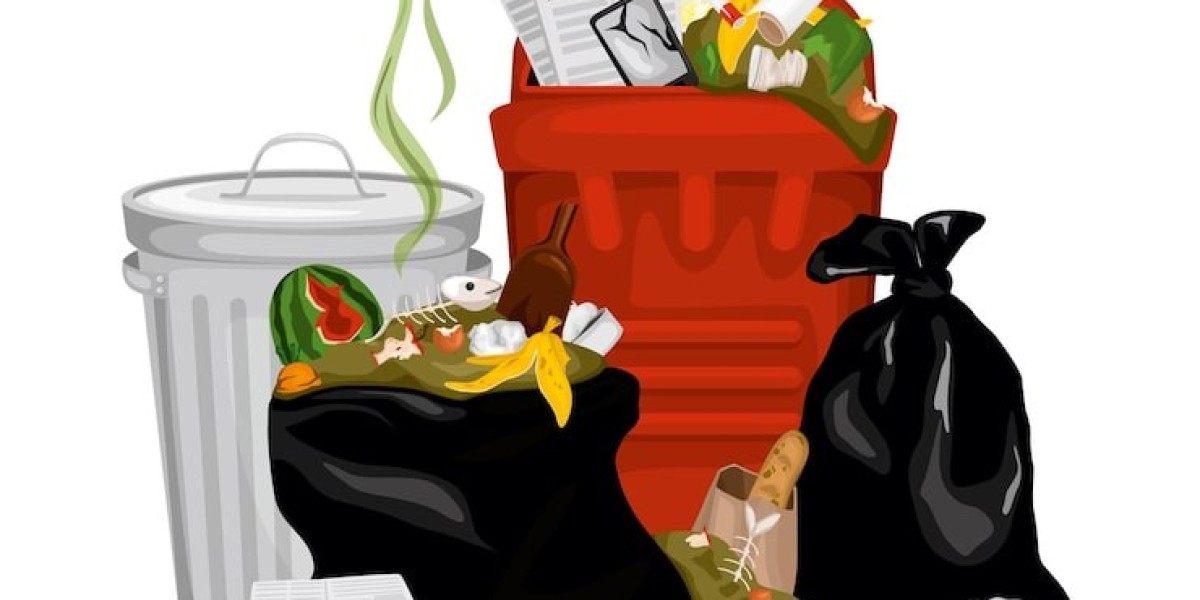

India's municipal solid waste management landscape is evolving as urbanization, rising consumption, expanding commercial activity, and increasing waste generation place greater pressure on cities and urban local bodies. The focus is gradually moving beyond basic collection and disposal toward source segregation, recycling, biological treatment, resource recovery, waste-to-energy, and more organized transportation and processing infrastructure.
Insights published by Markntel Advisor indicate that the India Municipal Solid Waste Management Market was valued at USD 8.19 billion in 2025 and is projected to grow from USD 8.88 billion in 2026 to USD 14.27 billion by 2032, registering a CAGR of 8.23% during 2026–2032. The India Municipal Solid Waste Management Market report highlights accelerating urbanization, policy-backed infrastructure investment, increasing waste generation, and expanding processing capacity as important factors shaping the industry.
Collection and Transportation Remain the Foundation
Collection and transportation continue to represent the backbone of municipal waste operations because every downstream activity depends on the reliable movement of waste from households, commercial establishments, and other generation points to appropriate processing facilities. Collection & Transportation accounts for 39% of the industry in 2026, making it the largest service category.
The continued expansion of door-to-door collection is also supporting more structured waste flows. The Swachh Bharat Mission Urban 2.0 operational framework identifies source segregation, door-to-door collection, separate transportation, and waste processing as interconnected components of municipal solid waste management. This approach creates a clearer pathway from waste generation to treatment and resource recovery.
Source Segregation Gains Greater Importance
Source segregation is becoming increasingly important because different waste streams require different treatment methods. Organic waste can be directed toward composting or biomethanation, while recyclable paper, plastics, metals, and glass can enter material recovery and recycling systems.
The study identifies organic and biodegradable waste as the largest waste type, accounting for approximately 55% of the industry in 2026. Its dominance reflects the substantial quantity of food, kitchen, market, and other biodegradable materials generated across urban areas.
The government's waste-management framework similarly emphasizes segregation at the point of generation. The approach separates biodegradable, non-biodegradable, sanitary, domestic hazardous, construction and demolition, and other specialized waste streams, creating more suitable inputs for downstream processing.
Policy Investment Supports Processing Infrastructure
Government programs are playing an important role in expanding waste-management infrastructure. Swachh Bharat Mission Urban 2.0 focuses on creating garbage-free cities, improving scientific processing, reducing pollution associated with waste management, and addressing legacy dumpsites.
The Swachh Bharat Mission Urban dashboard shows the scale of ongoing municipal infrastructure and monitoring efforts, including dry- and wet-waste processing plants, door-to-door collection, source segregation, and remediation of legacy waste. Such initiatives are strengthening the infrastructure base required for more systematic municipal waste management.
Policy support is also encouraging municipalities to evaluate treatment options according to waste composition and local requirements rather than relying exclusively on landfill disposal.
Organic Waste Creates Opportunities for Biological Treatment
Organic and biodegradable waste represents a significant processing opportunity because it can be converted into useful products through composting and anaerobic digestion. Composting can produce soil-enriching material, while biomethanation can generate biogas that may be upgraded for fuel applications.
The report identifies rising adoption of bioenergy recovery from organic municipal solid waste as a key industry trend. This reflects a broader transition from viewing organic waste solely as a disposal burden toward treating it as a potential resource within circular-economy systems.
Such approaches can also reduce the volume of untreated organic material reaching landfills while creating additional pathways for resource recovery.
Recycling Infrastructure Faces Capacity Requirements
Recycling is another important area of development, although formal processing capacity remains uneven across waste streams and regions. Plastic, paper, metal, and glass require sorting and recovery systems capable of producing material suitable for further industrial use.
The Central Pollution Control Board's waste-management resources provide regulatory information covering municipal solid waste, waste-generation data, implementation reports, and related environmental-management requirements. These frameworks support the formalization of collection, processing, and disposal activities while establishing compliance expectations for waste-management systems.
Greater formalization can also create demand for organized recycling networks, digital tracking systems, material recovery facilities, and specialized processing infrastructure.
North India Maintains a Leading Position
North India holds approximately 30% of the industry in 2026, representing the largest regional share. The region's position is associated with high population density, large urban agglomerations, expanding secondary cities, and significant municipal waste-generation requirements.
Delhi, Uttar Pradesh, Punjab, Rajasthan, and Haryana collectively provide substantial demand for collection, transportation, processing, recycling, and disposal infrastructure. The continued development of urban centers in these areas is likely to keep municipal waste services closely connected with infrastructure planning and public-service delivery.
Digitalization Improves Operational Visibility
Technology is becoming increasingly relevant to municipal waste operations. GPS-enabled collection vehicles, route optimization, digital monitoring, data dashboards, and material-tracking systems can help urban local bodies improve visibility across collection and processing activities.
Digital platforms can also support performance monitoring by connecting collection volumes, processing facilities, vehicle movement, and service-level information. As cities expand and waste-management networks become more complex, data-driven systems can provide a foundation for improving operational coordination.
Moving Toward Integrated Resource Management
India's municipal solid waste management industry is gradually moving toward an integrated model that combines collection, segregation, transportation, recycling, biological treatment, energy recovery, and controlled disposal. Urban expansion continues to increase waste volumes, while policy initiatives are encouraging cities to strengthen scientific processing and reduce dependence on unmanaged disposal.
The projected expansion through 2032 reflects the convergence of rising waste generation, infrastructure investment, source-segregation initiatives, resource-recovery opportunities, and increasing formalization. Together, these developments are reshaping municipal waste management from a conventional sanitation function into a broader resource-management system.