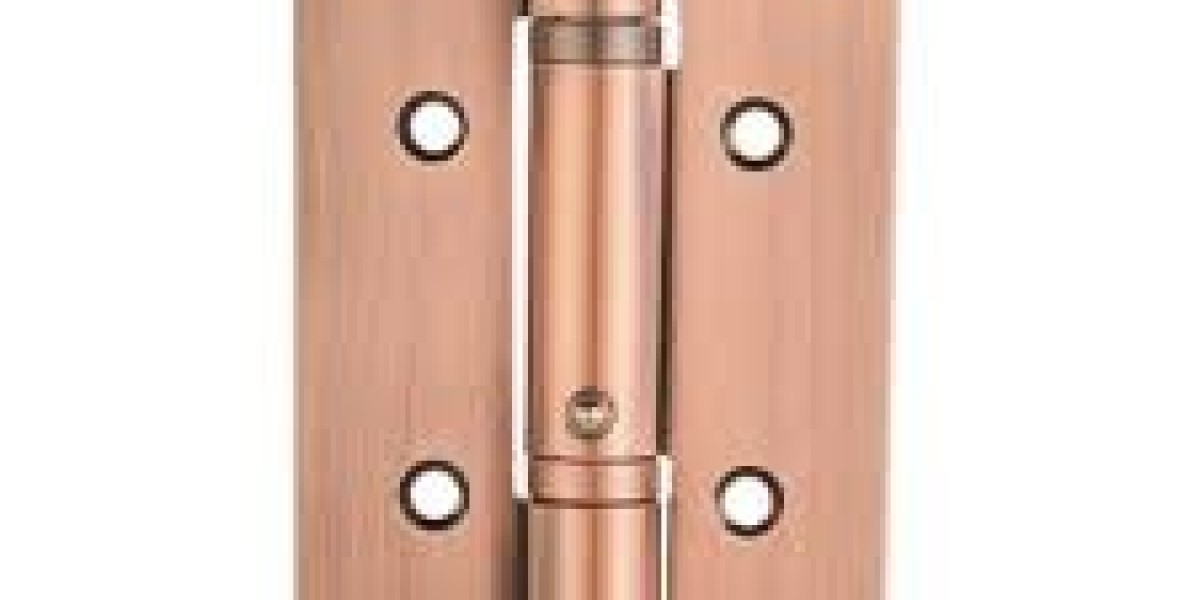

Smooth door movement is an important part of a well-designed interior or commercial space. When a door moves too quickly or closes with excessive force, it can create noise, discomfort, and unnecessary stress on the surrounding structure. Hydraulic Damping Hinges use a damping mechanism to resist movement and moderate the door's motion, helping create more controlled operation in applications where movement management is required.
Hydraulic damping works by regulating the movement of internal components through resistance within the mechanism. As the door moves, this resistance helps control its speed during the portion of travel supported by the design. The result can be a smoother transition rather than an abrupt movement. Depending on the model, damping may be intended for closing, opening, or a defined section of the operating cycle, so product functions should be verified before selection.
It is important to distinguish damping from automatic closing. A damping hinge primarily moderates movement, while a self-closing mechanism actively returns a door toward its closed position. Some products may combine both functions, but this should not be assumed for every design. Buyers should identify whether their application requires controlled movement, automatic return, impact reduction, or a combination of these functions.
Door compatibility is a key factor in product selection. The weight and thickness of the door, the frame construction, mounting position, opening angle, and expected frequency of use all influence the requirements placed on the hinge. Selecting hardware without considering these factors may result in inconsistent movement or insufficient control. A complete assessment of the door assembly helps ensure that the hinge is suited to its intended task.
Damping technology can be useful in residential rooms, offices, hotels, meeting spaces, and other environments where quiet and controlled operation is desirable. In these settings, reducing sudden movement can improve everyday usability and help limit impact between the door and frame. For doors in busy areas, buyers should also consider how frequently the mechanism will operate and whether the selected product is designed for the expected usage conditions.
The hinge structure and mounting method influence performance as well. Proper alignment helps the door move through its intended range without unnecessary friction. Installers should prepare the mounting area carefully, secure the hinge according to the product instructions, and check the movement before the door enters regular service. Accurate installation can reduce the likelihood of operational issues caused by misalignment or unsuitable clearances.
Material quality and manufacturing precision are important for consistent damping behavior. The hinge body must support the door's mechanical loads, while the internal damping components need to provide the intended resistance during movement. Consistent dimensions and suitable materials can support proper fitting and stable operation. For manufacturers and distributors, these considerations are relevant when comparing suppliers for projects that require repeatable results across multiple units.
Appearance can also influence the selection process. In contemporary architectural projects, hardware often needs to coordinate with door finishes, frames, handles, and surrounding interior elements. A well-matched hinge can contribute to a cohesive design while performing its mechanical function. Buyers should consider the visible finish, installation arrangement, and compatibility with other door components when planning a complete system.
Maintenance requirements depend on the design and operating environment. Periodic inspection can help identify changes in movement, loose mounting points, or alignment issues. If the product includes adjustment functions, any corrections should follow the manufacturer's guidance. For commercial settings, a practical maintenance plan can help keep door hardware operating consistently and reduce avoidable disruption.
Selecting Hydraulic Damping Hinges should begin with a clear understanding of the required movement behavior and the door's construction. Architects, contractors, door manufacturers, and hardware distributors can compare relevant product information through https://www.hinges-factory.com/product/catalogue-download/ to identify suitable options for their installation conditions and operational requirements.