
The beauty and personal care industry uses a wide range of packaging formats to accommodate different formulas, application methods, and brand identities. Tubes and Other Series cover diverse packaging structures that may serve skincare, makeup, and other personal care products. Developing these packages requires careful consideration of material properties, product compatibility, structural design, decorative finishes, assembly, and quality inspection. These elements work together to determine whether a package is practical for commercial manufacturing and everyday use.
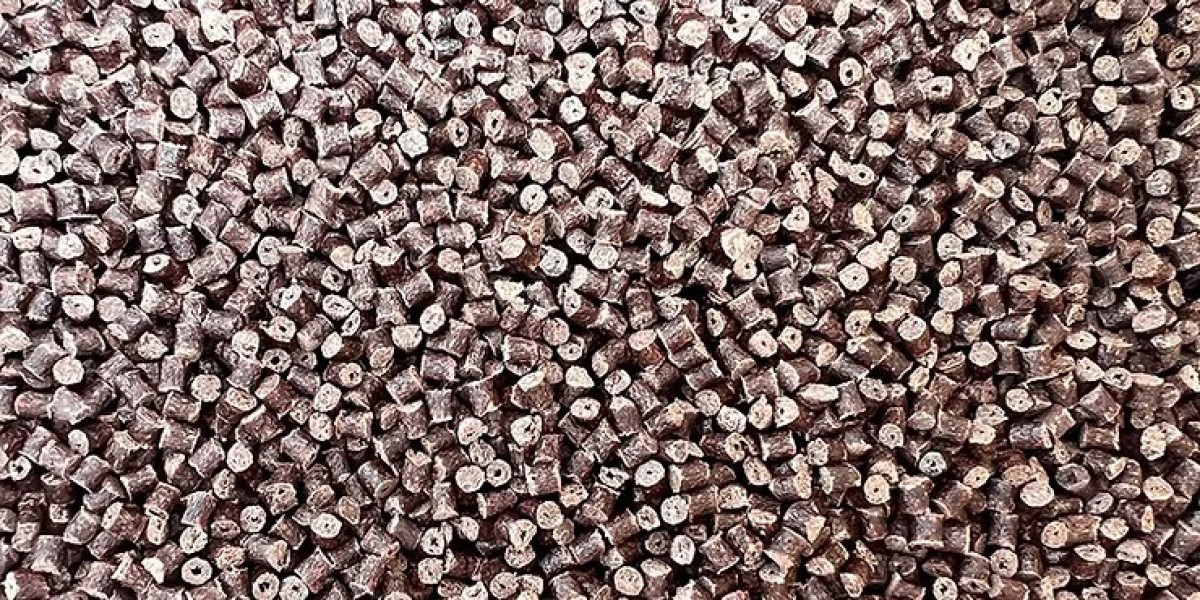
Material selection is an important starting point for packaging development. Different products place different demands on their containers, depending on their formulation, dispensing method, storage conditions, and intended market. Manufacturers may assess materials according to flexibility, rigidity, weight, molding characteristics, surface quality, and compatibility with decorative processes. The material should also be appropriate for the package structure and evaluated against the requirements of the product it will contain.
Structural design determines how packaging components function together. Depending on the format, a package may include a body, cap, closure, shoulder, applicator, insert, or other supporting elements. Each component should have a clear purpose and fit correctly with adjacent parts. Designers should consider how the package will be filled, sealed, stored, transported, and handled by consumers. Evaluating these requirements early can help avoid unnecessary modifications during tooling and production.
Manufacturing technology influences dimensional consistency and production efficiency. Injection molding is commonly used for plastic packaging components that require defined shapes and repeatable features. Other forming and assembly methods may be appropriate for different package structures. Tooling and process development should account for material behavior, component geometry, surface requirements, and assembly needs. A well-planned manufacturing process can help reduce variation and improve repeatability across production batches.
Surface finishing gives brands opportunities to establish a recognizable visual identity. Printing, color matching, coating, and other decorative techniques can be selected according to the intended design. A coordinated finish helps maintain a consistent appearance across a product family, even when different package formats are used. Manufacturers should assess the compatibility of decorative processes with the base material and maintain appropriate process controls to achieve consistent results.
Functionality should remain central throughout development. Packaging needs to support convenient handling and appropriate access to the product. Depending on the structure, this may involve checking closure fit, dispensing access, component alignment, and resistance to damage during normal handling. Prototype testing allows manufacturers to evaluate these features before mass production. It also provides an opportunity to identify practical concerns and make adjustments while the design is still flexible.
Quality control helps maintain consistent packaging performance. Inspection procedures may cover molding appearance, component dimensions, surface defects, print quality, assembly condition, and closure behavior. For packaging that contacts cosmetic formulations, material suitability and product compatibility should be evaluated according to the intended application and relevant requirements. Clear inspection criteria help manufacturers identify inconsistencies early and reduce the likelihood of repeated production issues.
Customization can help brands distinguish their products in competitive markets. Tubes and Other Series may be adapted through different shapes, colors, closures, surface treatments, and component arrangements. However, customization needs to be assessed alongside manufacturing feasibility. Complex structures or decorative requirements can influence tooling, assembly time, inspection procedures, and production planning. Early communication between brand teams and packaging manufacturers can help balance creative goals with practical production requirements.
Material efficiency is another consideration during packaging design. Manufacturers can review whether each component provides a necessary function and whether the overall structure can be simplified without compromising usability or product protection. Reducing unnecessary components may improve assembly efficiency and help control material consumption. Such decisions should be evaluated alongside durability, appearance, compatibility, and manufacturing consistency.
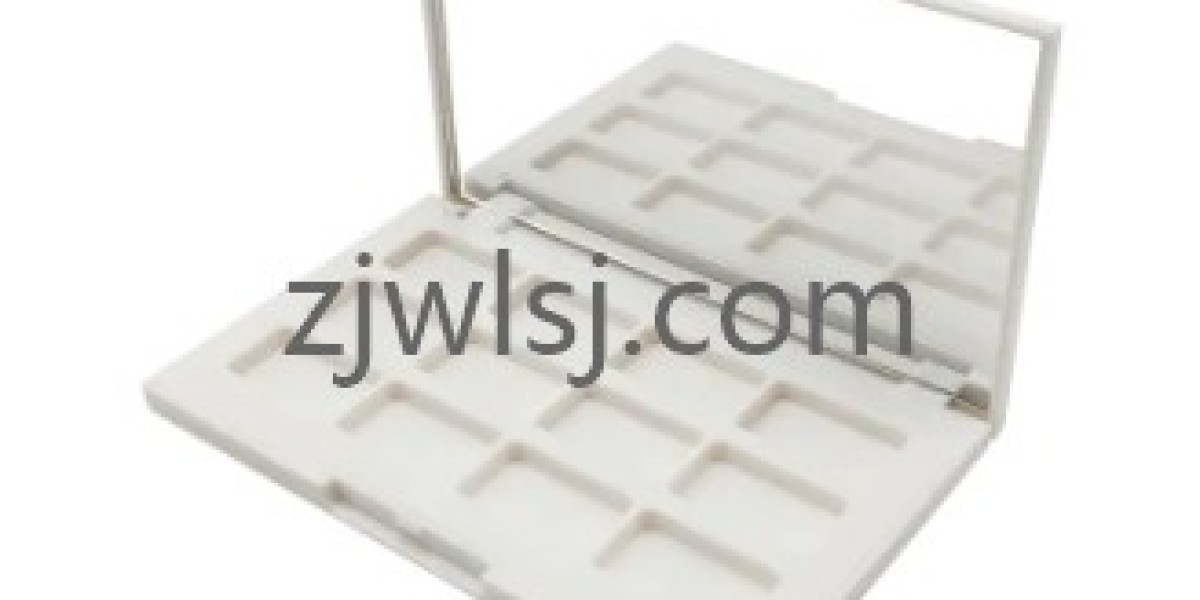
For international brands, a structured development process helps coordinate designers, packaging suppliers, and product teams. Drawings, material discussions, prototypes, artwork files, and inspection standards provide shared references throughout the project. Reviewing samples before larger production runs can help confirm the intended appearance and identify potential concerns early. For related cosmetic packaging references, visit https://www.zjwlsj.com/product/eye-shadow-palette/shadow-palette-1-grid/ to explore an example of packaging design.