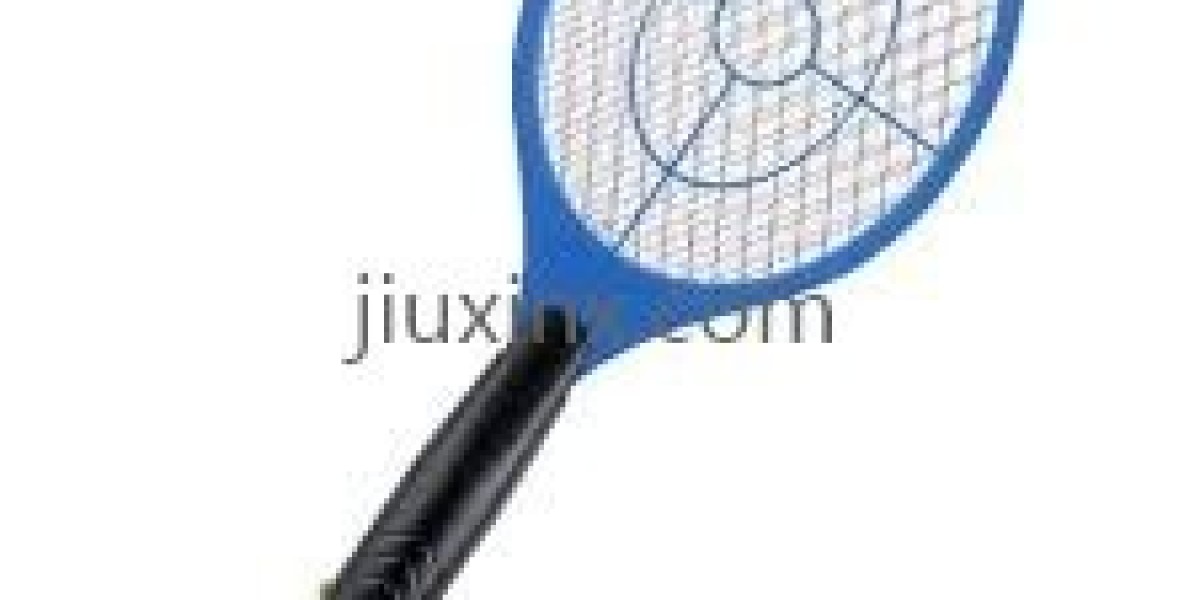

For households that need a convenient way to manage flying insects, handheld electronic appliances offer portability without requiring a permanently installed pest-control system. A Portable Electric Mosquito Swatter combines a lightweight frame, an energized mesh, an electronic control circuit, and a handle designed for repeated manual operation. Its practical value depends on structural durability, appropriate electrical design, comfortable handling, and consistent manufacturing quality.
The external frame supports the mesh and establishes the overall shape of the appliance. Molded plastic is commonly used because it can provide low weight, electrical insulation, and efficient production through injection molding. The frame should maintain its shape during normal handling, while the handle needs sufficient internal space for the circuit board, power source, switch, and associated wiring. Careful structural design helps prevent the product from becoming unnecessarily bulky.
The mesh assembly is the primary working component. Many electric swatter designs use multiple mesh layers, positioning the energized section between protective outer layers. This arrangement helps limit accidental contact with the active grid while allowing insects to enter the working area. Mesh spacing, tension, and attachment points need to remain consistent throughout production so that the assembly retains its intended structure.
Portability also depends on weight distribution. If the handle contains a battery and electronic components, their placement can influence the balance of the entire racket. A well-balanced design can make the product easier to maneuver, particularly when users need to reach different areas of a room. Engineers should therefore consider the frame dimensions, handle shape, battery location, and internal component arrangement together.
The electronic circuit manages the relationship between the power source and the energized mesh. Depending on the model, the system may include a battery, control switch, voltage conversion components, PCB, and an indicator light. These elements must fit within the enclosure while maintaining appropriate electrical separation. Reliable circuit connections and secure component mounting are important because a handheld appliance experiences repeated movement during use.
The activation mechanism should provide a straightforward operating experience. A button or switch can be positioned on the handle so that users can reach it naturally without changing their grip. The mechanism needs consistent movement and secure mounting to maintain reliable operation over repeated cycles. Where an indicator is included, it should provide clear feedback without obstructing the main controls.
Power configuration influences convenience and maintenance. Replaceable-battery designs require secure contacts and a practical battery compartment. Rechargeable versions need an appropriate battery, charging circuit, and interface that fit the intended product architecture. In both cases, the power source should be securely mounted to prevent excessive movement and unnecessary stress on the electrical connections.
Durability should be evaluated across the complete assembly. The handle-to-frame joint, mesh mounting points, switch, enclosure seams, and battery compartment can all affect service life. Appropriate material selection and structural reinforcement help the product withstand routine handling without excessive weight. Manufacturing checks can identify loose mesh, poorly fitted housing sections, or components that do not align correctly.
Yiwu Jiuxin Electric Co Ltd can coordinate plastic molding, mesh preparation, PCB assembly, component installation, enclosure fitting, and finished-product testing within a controlled production workflow. For B2B customers, standardized assembly procedures can help reduce variation across wholesale quantities. Consistency is especially valuable when products are sold under the same brand across different retail locations.
Quality inspection should include visual and functional checks. The housing can be examined for surface defects, deformation, and uneven assembly. Functional tests can verify switch response, indicator operation, charging behavior where applicable, and electrical performance according to the product specification. The mesh should be checked for secure attachment and proper alignment before the finished product is packaged.
Ergonomics also contributes to the perceived quality of the appliance. A comfortable grip, suitable handle length, and manageable weight can make routine use easier. The control should be distinguishable and accessible, while the racket frame should provide practical reach without unnecessary bulk. These considerations help manufacturers develop products that serve everyday household needs more effectively.
OEM and private-label buyers may request different housing colors, logos, surface finishes, button arrangements, and packaging styles. Such changes should be reviewed against tooling, component availability, internal circuit space, and assembly efficiency. Customization is most effective when product appearance and technical requirements are considered together rather than handled as separate stages.
Safety remains an essential part of design and manufacturing. The energized mesh should have suitable protective construction, and the battery and circuit should remain securely enclosed. Product instructions should explain appropriate operation, cleaning, storage, and charging where relevant. Finished units should be inspected against the defined specifications and the requirements applicable to their intended markets.
A carefully developed Portable Electric Mosquito Swatter combines compact construction, practical ergonomics, controlled electrical operation, and repeatable manufacturing. For wholesalers, distributors, and OEM buyers seeking handheld electronic pest-control products, Yiwu Jiuxin Electric Co Ltd provides further product and manufacturing information at https://www.jiuxinx.com.







