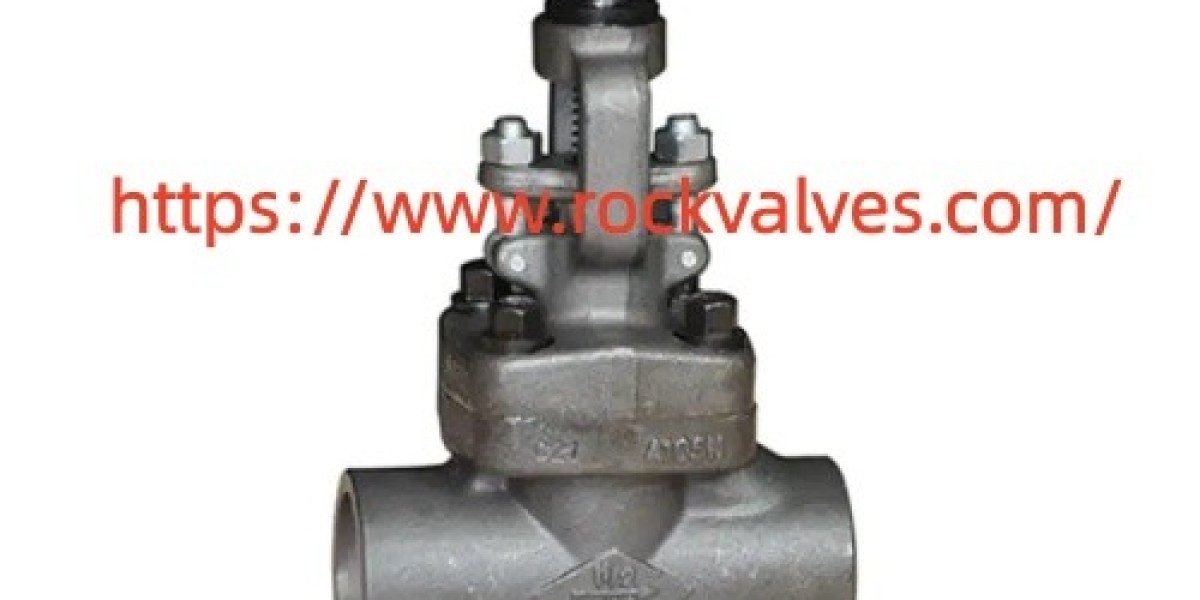

DIN Standard Cast Steel Valves are an important consideration for industrial buyers who need dependable flow control equipment for pipelines, processing facilities, and utility systems. Selecting a suitable product involves more than reviewing a catalogue or comparing unit prices. Buyers should examine applicable standards, material grades, pressure and temperature requirements, connection dimensions, and the operating environment before confirming an order. A structured evaluation helps reduce compatibility issues and supports smoother installation and maintenance throughout the equipment lifecycle.
One of the first steps is to define the application clearly. Industrial pipelines can carry water, steam, oil, gas, or various process media, and each service environment presents different technical requirements. Fluid composition, operating temperature, working pressure, flow characteristics, and potential corrosion should all be considered. Buyers should provide these details to the manufacturer before requesting a quotation. Clear specifications help the supplier assess the intended service and recommend a suitable configuration rather than relying on assumptions.
Material selection deserves careful attention during the purchasing process. Cast steel components are used in various industrial applications, but the appropriate grade depends on the media, temperature range, mechanical requirements, and relevant design specifications. Buyers should check the material designation and request supporting documentation when necessary. Where corrosion or chemical exposure is a concern, the compatibility of the selected material with the process medium should be reviewed by qualified technical personnel. This step can help avoid premature wear and unexpected maintenance requirements.
Pressure and temperature ratings are equally important. A valve intended for one operating condition may not be appropriate for another, even when its nominal size appears suitable. Procurement teams should verify the rated pressure and allowable temperature range against the actual system design. They should also consider pressure fluctuations, startup conditions, shutdown procedures, and possible thermal changes. If the pipeline experiences frequent operating cycles, the manufacturer should be informed so that the selection can account for the expected service conditions.
Dimensional compatibility can influence installation time and project costs. Before ordering, buyers should confirm nominal size, face to face dimensions where applicable, flange drilling, connection type, and relevant dimensional tolerances. These details should be checked against the pipeline drawings and equipment specifications. A mismatch may require additional adapters, modifications, or replacement components, potentially delaying commissioning. For projects involving several valve sizes or configurations, a detailed schedule can help the purchasing team verify each item before production begins.
The valve design should also match the required operating method. Depending on the application, buyers may need a gate valve, globe valve, check valve, or another configuration. Each design serves a different purpose in regulating, isolating, or preventing reverse flow. The selection should reflect the intended function, available installation space, flow conditions, and maintenance plan. Buyers should also confirm the actuator or manual operating arrangement, where relevant, and ensure that access for routine inspection is practical.
Quality control and technical documentation are additional factors worth discussing with the manufacturer. Buyers can ask about material traceability, inspection procedures, pressure testing, dimensional checks, and the documentation supplied with each order. They should confirm which tests are applicable to the specific product and whether inspection records can be provided. Applicable DIN requirements should be identified precisely, since the relevant standard may vary according to valve type, design feature, connection, or application. Clear documentation makes it easier for engineering and quality teams to review product conformity.
Supplier communication can make a meaningful difference to the purchasing experience. Before committing to an order, procurement teams should discuss production schedules, quantity requirements, packaging, shipping arrangements, spare parts, and technical support. For customized projects, drawings and approval procedures should be agreed upon before manufacturing starts. Buyers should also clarify warranty conditions and the process for handling discrepancies or transport damage. These practical details help both parties establish realistic expectations and coordinate delivery with the project schedule.
Cost evaluation should include the expected service requirements rather than focusing only on the initial purchase price. Maintenance access, replacement part availability, inspection intervals, and the consequences of unplanned downtime can all affect the overall cost of ownership. A valve that fits the design correctly and comes with appropriate documentation may help simplify installation and future servicing. Buyers should compare quotations using consistent technical specifications so that differences in materials, testing scope, and included services are properly understood.
As an industrial valve manufacturer, Rockv understands the importance of matching product specifications with real operating conditions. Buyers preparing a new project can organize their requirements into a checklist covering media, pressure, temperature, dimensions, materials, applicable standards, and inspection documents. Sharing this information early helps create a clearer basis for technical discussions and product selection. To review available solutions and discuss requirements for an industrial piping project, visit https://www.rockvalves.com/ and contact Rockv with your application details.







