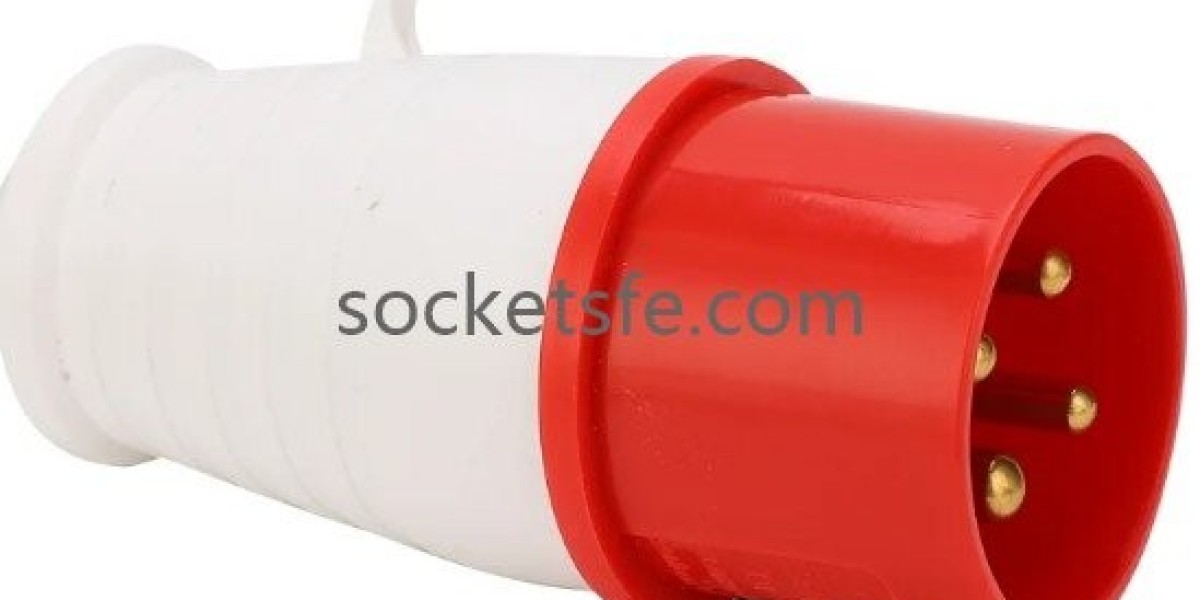

Industrial equipment requires reliable electrical connections to maintain stable operation and reduce avoidable downtime. In workshops, maintenance facilities, commercial buildings, and manufacturing environments, 110V Industrial Plug products provide a connection option for compatible electrical systems. Selecting the right connector involves checking voltage and current ratings, contact quality, insulation materials, grounding requirements, and environmental conditions to ensure the product matches the intended application.
Voltage compatibility is the starting point for product selection. Buyers should confirm that the plug and socket are designed for the equipment's supply voltage and current demand. A connector's voltage rating alone does not establish compatibility with every electrical system. Pole configuration, grounding arrangement, cable type, and local electrical requirements must also be considered. Matching these details helps prevent incorrect connections and supports safe equipment operation.
Contact materials influence electrical conductivity and mechanical durability. Copper and copper alloys are widely used in conductive components because they offer a practical combination of conductivity and strength. Depending on the design, surface treatments may improve resistance to oxidation and repeated contact wear. The contact structure should maintain appropriate pressure during normal use, helping reduce unwanted resistance and heat generation. Consistent manufacturing tolerances are important for achieving reliable connections across production batches.
The insulating housing provides separation between conductive parts and the surrounding environment. Engineering plastics are commonly used because they can provide electrical insulation, dimensional stability, and impact resistance. Material selection should reflect operating temperature, expected handling, and exposure to oils, cleaning agents, or other substances. A well-designed enclosure protects internal components from routine mechanical stress while supporting safe handling during installation and maintenance.
Grounding arrangements are especially important when connecting equipment that requires protective earthing. The plug must be compatible with the socket and facility wiring, and the grounding path must be maintained according to applicable electrical requirements. Grounding does not replace circuit protection or correct installation. Buyers should confirm the complete system design and follow the manufacturer's instructions to reduce the risk of electrical faults.
Industrial environments vary considerably. Some installations operate in clean indoor spaces, while others encounter dust, moisture, vibration, or frequent equipment movement. Connectors should therefore be selected according to their intended operating conditions. Where water or dust exposure is expected, the appropriate ingress protection rating should be verified. Sealing features, cable entries, and mating components must all be installed correctly to maintain the specified protection.
Mechanical reliability also affects everyday performance. Locking features can help prevent accidental separation, while cable strain relief reduces pulling forces on the cable connection. Durable housings and well-fitted components are useful in facilities where equipment is frequently moved or disconnected. Clear product identification can further help maintenance personnel distinguish between different voltage ratings and configurations, reducing the likelihood of selecting an incompatible component.
Manufacturing quality control should address electrical and mechanical performance. Depending on the design, inspection may include dimensional checks, contact resistance testing, insulation verification, grounding continuity, and mechanical retention checks. Consistent production procedures help reduce variation and support dependable product quality. For B2B buyers, technical documentation and applicable compliance information are important when comparing suppliers and approving components for industrial use.
Proper installation and maintenance help preserve connector performance. Equipment should be isolated from the power source before inspection, and servicing should be performed by qualified personnel. Regular checks can identify cracked housings, loose fittings, worn contacts, damaged insulation, or signs of overheating. Any damaged component should be removed from service and repaired or replaced according to the manufacturer's guidance.
For distributors, contractors, and equipment manufacturers, purchasing decisions should consider compatibility, durability, documentation, and supply consistency. Confirm the voltage, current rating, pole configuration, cable requirements, and environmental conditions before placing an order. Standardizing suitable components across similar installations can also simplify inventory management and replacement planning.
Choosing a suitable 110V Industrial Plug requires more than confirming the voltage label. Contact construction, insulation quality, grounding, environmental protection, and installation compatibility all contribute to dependable performance. Businesses looking for industrial electrical connection solutions can visit https://www.socketsfe.com to explore available products and verify the specifications needed for their applications.