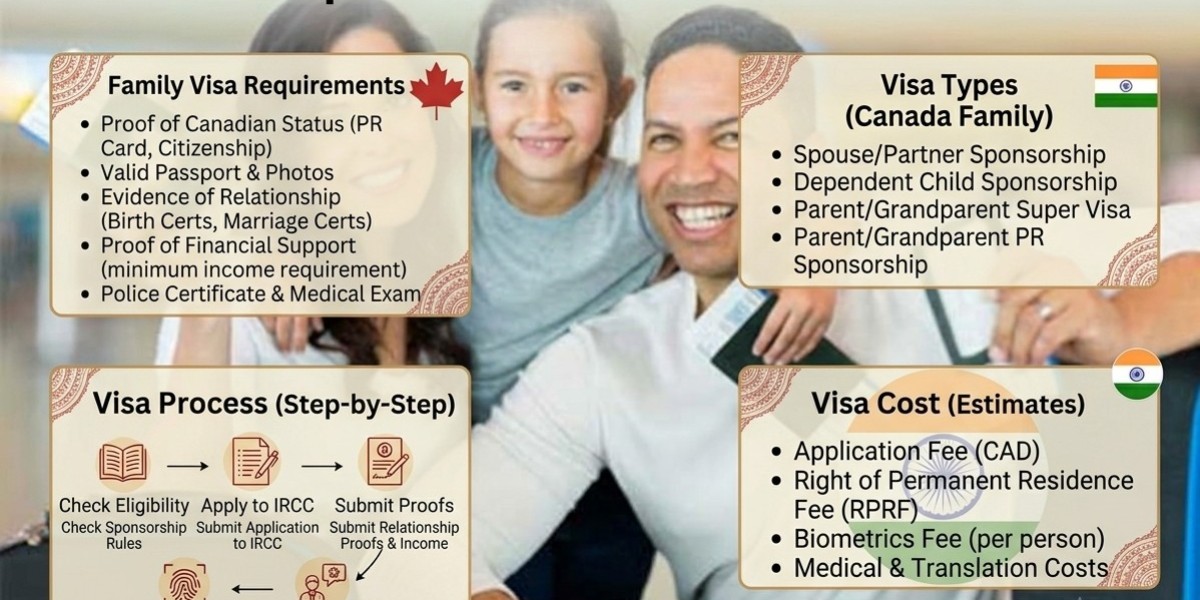

The Canada Family Visa is a popular search term for people who want to reunite with their loved ones in Canada. However, there is no single visa for every family situation. The correct application depends on your relationship with the person in Canada, their immigration status, and your reason for joining them. Canadian immigration rules include family sponsorship programmes, visitor visas, and certain options for spouses or dependent children.
What Is a Canada Family Visa?
A family visa generally refers to an immigration option that helps eligible family members visit or join relatives in Canada. Canadian citizens and permanent residents may sponsor certain relatives if they meet the required conditions. Temporary residents may have different options, depending on their status and current immigration rules.
The main purpose of these pathways is to help families stay connected. Before applying, it is important to identify the correct category because eligibility, processing times, fees, and supporting documents can vary.
Types of Family Immigration Options in Canada
Canada offers several pathways for families. The right option depends on your circumstances.
1. Spouse or Partner Sponsorship
Canadian citizens and permanent residents may be able to sponsor their legally married spouse or eligible common-law partner. The sponsor must meet the applicable requirements and agree to provide financial support as required by the programme.
2. Dependent Children
Eligible parents may sponsor their dependent children to become permanent residents. Age, relationship, dependency, and other programme rules must be checked before applying.
3. Parents and Grandparents
Eligible sponsors may apply through the Parents and Grandparents Programme when applications are being accepted and they meet the programme requirements. Invitations and intake arrangements can affect when a person may apply.
4. Visitor Visa for Family Members
Relatives who want to visit Canada temporarily may apply for a visitor visa if required for their nationality. Applicants usually need to show the purpose of their visit, available funds, and reasons they will leave Canada at the end of their authorised stay.
Canada Family Visa Requirements in 2026
The documents needed depend on the immigration pathway. However, applicants should prepare their paperwork carefully and ensure that all details are correct.
Common documents may include:
A valid passport or travel document.
Proof of relationship, such as a marriage certificate or birth certificate.
Identity documents for the applicant and sponsor.
Proof of the sponsor's Canadian citizenship or permanent residence, where applicable.
Financial documents when required.
Police certificates or medical examination results, if requested.
Application forms, photographs, and fee payment receipts.
Some applications may also require evidence of a genuine relationship, such as shared bills, photographs, communication records, or proof of living together. Only provide documents relevant to your application and follow the official checklist.
Who Can Sponsor a Family Member?
Not everyone living in Canada can sponsor a relative. Generally, a sponsor must be at least 18 years old and be a Canadian citizen or permanent resident, or meet another specific requirement under the applicable programme.
Sponsors must also satisfy relevant eligibility conditions. Certain criminal convictions, unresolved financial obligations, previous sponsorship issues, or other circumstances may affect eligibility. Income requirements apply to some sponsorship categories but not all.
Before starting the process, check whether your relationship qualifies and whether the sponsor meets every condition.
Spouse Visa Canada: Application Process
The Spouse visa canada process depends on whether the applicant is seeking temporary entry or permanent residence through sponsorship. Eligible spouses may apply for permanent residence through the appropriate family sponsorship pathway.
The usual steps include confirming eligibility, gathering relationship evidence, completing the correct forms, paying the required fees, and submitting the application according to official instructions. Immigration authorities may request additional documents, biometrics, a medical examination, or an interview.
Applicants should provide honest information and ensure that their documents are consistent. Incorrect details or missing paperwork can cause delays or refusal. Approval is not guaranteed, even when an application is complete.
Application Fees and Processing Time
The total cost depends on the application category, the number of applicants, and any additional services required. Applicants may need to pay government processing fees, biometrics fees, medical examination charges, or document-related costs.
Processing times also vary. Some applications take longer because of background checks, missing documents, or high application volumes. Check the official Immigration, Refugees and Citizenship Canada (IRCC) website for current fees and processing estimates before submitting your application.
Can Students Bring Their Family to Canada?
International students should understand the rules that apply to their own immigration status. A student's spouse or children may have options to accompany them or apply separately, but approval depends on current eligibility requirements.
A Canada student visa application and a family member's application are separate matters. Studying in Canada does not automatically give every family member permission to work or live there. Spousal open work permit eligibility is limited to qualifying situations under the current rules.
Students should review official guidance before making travel, education, or family arrangements.
How Zealand Immigration India Can Help
Planning a move to Canada can feel difficult when you have to understand different forms, documents, and eligibility conditions. Zealand Immigration India can help applicants understand the available pathways, prepare documents, and organise their application steps.
Professional guidance can help families identify possible issues before submitting their paperwork. However, eligibility and final decisions remain with Canadian immigration authorities.
Conclusion
Reuniting with family in Canada starts with choosing the correct immigration pathway and understanding its requirements. Check your eligibility, prepare accurate documents, review current fees, and follow official instructions carefully. With proper planning and reliable information, families can approach the application process with greater confidence and fewer avoidable mistakes.