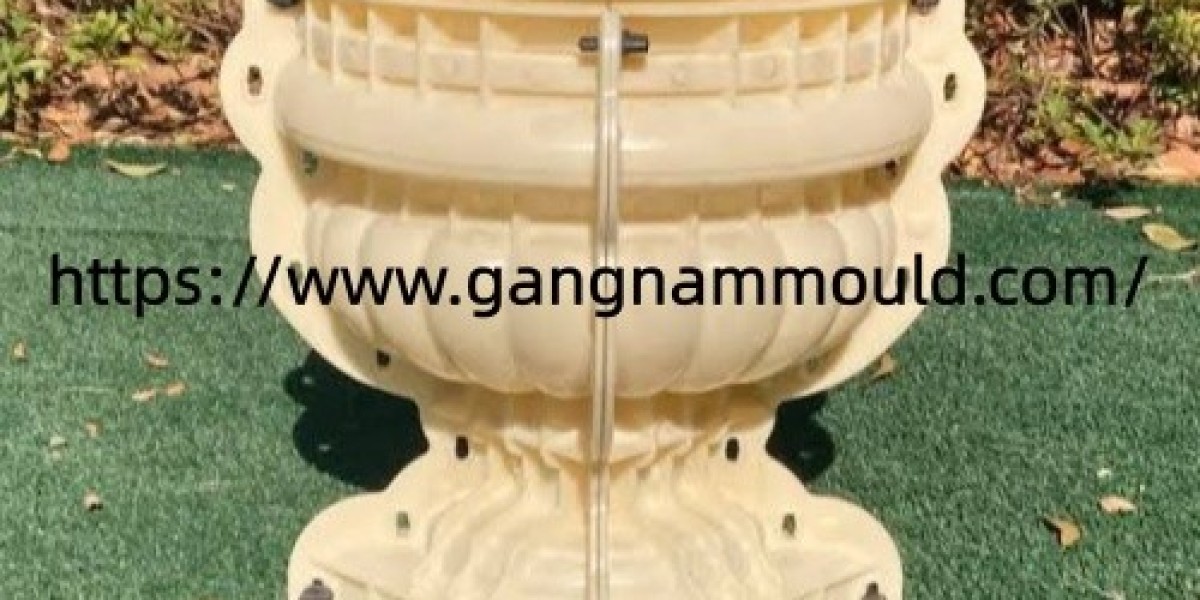

Garden Planter Mould selection involves more than choosing a shape or size. Buyers need to consider product design, manufacturing materials, production volume, and tooling requirements before making an investment. For businesses producing decorative containers, nursery products, or outdoor planting accessories, suitable tooling can influence manufacturing efficiency, product consistency, and long term operating costs. Gangnammould works with customers seeking mould solutions that correspond to their product concepts and production objectives.
Before requesting a quotation, buyers should define the intended application. A compact container for indoor plants may require different dimensions and surface details from a large outdoor vessel. Some products need drainage openings, reinforced edges, textured surfaces, or decorative patterns. Preparing drawings, reference images, and dimensional specifications gives manufacturers a clearer understanding of the project and helps reduce misunderstandings during development.
Material compatibility is another important consideration. Different production materials have different processing characteristics, shrinkage rates, and cooling requirements. The selected tooling should accommodate the intended material and manufacturing process. Buyers should discuss resin properties, expected product thickness, and operating conditions with their supplier before finalizing the design. These details help the engineering team assess the mould structure and identify potential adjustments before manufacturing begins.
The construction of a mould affects how easily products can be formed and released. Buyers should review the parting line, cavity arrangement, draft angles, and ejection system with the manufacturer. Complex decorative patterns may require additional attention to prevent damage during demoulding. A practical design balances the desired appearance with production requirements and routine maintenance.
Surface finish also deserves attention. Smooth surfaces may suit minimalist containers, while textured finishes can create a stone effect, woven appearance, or other decorative character. Buyers should explain their preferred finish early in the project because surface details can influence machining methods, processing time, and tooling costs.
Dimensional accuracy matters when products need to fit accessories, packaging, or coordinated product collections. Drainage trays, connecting components, and nested containers may require carefully controlled dimensions. Providing tolerance requirements and relevant assembly details helps the manufacturer evaluate these relationships during design review.
Production volume should guide tooling decisions. Businesses making limited quantities for seasonal collections may have different requirements from manufacturers supplying distributors throughout the year. Buyers should discuss anticipated output, production cycles, equipment compatibility, and future demand before selecting a configuration.
Cycle time is influenced by several factors, including material characteristics, wall thickness, cooling performance, and machine settings. A mould designed around the intended production equipment can help establish a practical manufacturing process. However, expected output should be assessed through technical calculations and production trials rather than assumptions alone.
Cavity quantity also deserves careful consideration. Multiple cavities may increase output per cycle, but they can affect tooling complexity, equipment requirements, and initial investment. Buyers should compare projected demand with operating costs to determine an appropriate configuration for their business.
Clear communication between the buyer and manufacturer can make project development more manageable. Before production starts, both parties should confirm drawings, dimensions, material specifications, surface requirements, and inspection criteria. Agreement on these details provides a shared reference for design approval and quality checks.
Sample testing is valuable when a new design enters production. Initial samples allow buyers to examine appearance, dimensions, drainage features, and demoulding performance. If adjustments are necessary, feedback should identify specific concerns and include measurements or photographs where possible. Addressing issues during development can reduce the risk of avoidable changes after manufacturing begins.
Maintenance planning should also be discussed before ordering. Routine cleaning, inspection of moving components, lubrication where applicable, and appropriate storage can support dependable tooling operation. Buyers should ask about recommended maintenance intervals, replacement components, and technical support arrangements. These considerations are particularly relevant for businesses operating recurring production schedules.
Price is important, but it should be evaluated alongside construction requirements, expected service life, maintenance needs, and production objectives. A quotation should clearly identify the tooling scope, included components, development stages, delivery expectations, and any additional charges. Comparing quotations against the same technical specifications makes commercial evaluation more useful.
Customization may be necessary when standard designs do not match a company's product positioning. Manufacturers can assess options involving dimensions, decorative features, cavity layouts, and product variations according to project requirements. Providing a clear brief helps establish realistic expectations for development time and manufacturing cost.
For buyers preparing a new container collection or updating an existing production line, working with a manufacturer that communicates clearly can simplify technical decisions. Gangnammould provides a starting point for reviewing tooling options and discussing project requirements. Visit https://www.gangnammould.com/product/ to view the available product range and identify mould solutions that align with your planned designs, manufacturing process, and business goals.