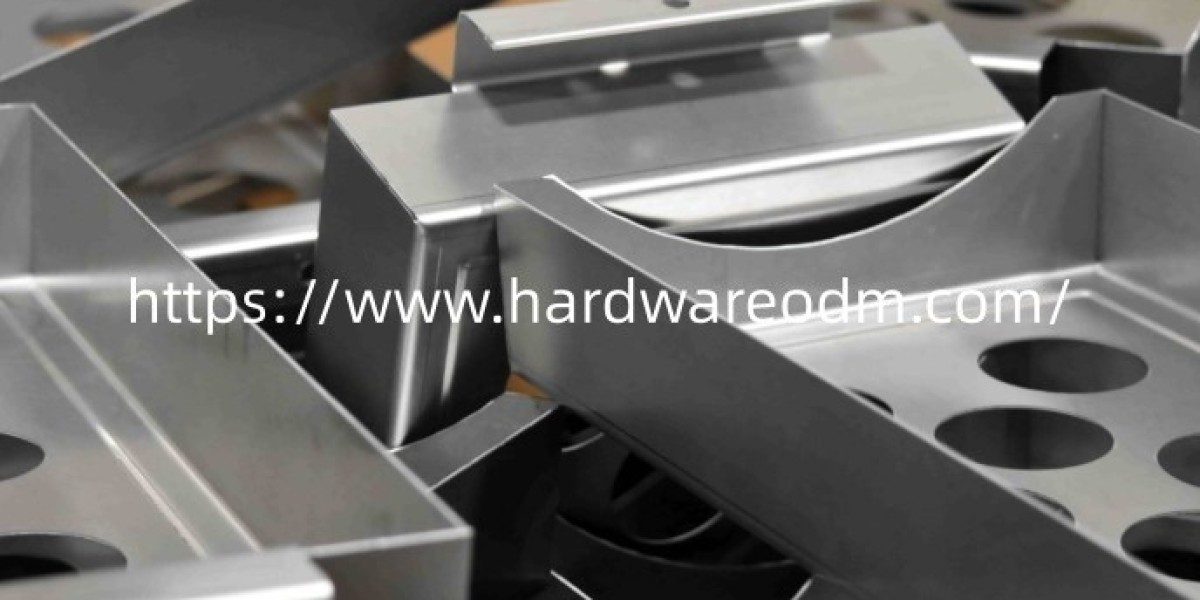

Metal components often need to combine structural purpose with practical assembly requirements, and Stamping Sheet Metal offers manufacturers a way to transform flat material into functional shapes for a wide range of products. From brackets and protective covers to mounting pieces and hardware accessories, stamped parts can be designed around the needs of a larger assembly. Their suitability depends on how material behavior, tooling, finishing, and product use are considered throughout development.
Material selection should reflect the environment in which a part will operate. Carbon steel is commonly considered for components that require structural support and can accommodate suitable protective finishes. Stainless steel may be appropriate when moisture exposure or corrosion resistance matters. Aluminum can be useful when reduced weight and formability are priorities, while copper-based materials may suit applications involving electrical conductivity. These materials respond differently to pressure and deformation, so the intended shape and forming method should be reviewed together rather than choosing a material based on appearance alone.
Surface condition also influences material suitability. A sheet with a smooth finish may be preferred when the component remains visible in the finished product, while other applications may place greater importance on coating compatibility or resistance to everyday handling. Designers should consider whether the material will be painted, plated, polished, or otherwise treated after forming. Selecting the substrate and finishing route as a coordinated decision can help reduce avoidable rework and support a consistent result.
For buyers, the first step is to define what the finished component must accomplish. Consider how it connects to adjacent parts, whether it supports or protects another element, and how it will be installed or removed. Drawings, samples, photographs, and assembly information can help a manufacturer understand these requirements. It is also useful to identify visible surfaces, contact areas, fastening locations, and any edges that could affect handling. Clear information at the quotation stage makes it easier to discuss the appropriate process and identify possible design concerns.
Tooling is central to the production of stamped components. A die guides how the sheet is cut or formed, while its design influences the shape that can be produced and the consistency of repeated parts. Depending on the product, manufacturing may involve blanking, piercing, bending, drawing, or a combination of operations. Each method creates different demands on the material and tooling. A design review can reveal whether a feature needs adjustment to support forming, avoid unwanted deformation, or simplify the production sequence.
The relationship between design and manufacturing technology deserves early attention. Narrow sections, complex bends, openings near formed areas, and changes in material direction can affect how a part behaves during production. Engineers may need to consider springback, edge quality, and the way forming forces travel through the material. Tooling trials and sample reviews can help teams evaluate whether the proposed design produces the intended shape. When modifications are discussed before regular production, they are generally easier to coordinate with the wider product development process.
Manufacturing consistency is another important purchasing consideration. A stamped part may look acceptable on its own but still create difficulties if its mounting points do not align with other components. Inspection should therefore focus on features that influence actual use, including hole placement, bends, contact surfaces, edge condition, and overall fit. Buyers can discuss how samples will be approved, how production parts will be checked, and how any changes to the drawing or material will be communicated. These arrangements help connect manufacturing quality with assembly requirements.
Yongkang Ruizan Industry & Trade Co., Ltd. specializes in metal stamping and mold design and manufacturing, with related capabilities in forming, finishing, and metal pipe processing. Its services can support projects that require custom components developed around specific product structures. For purchasing teams, communicating the intended application and sharing suitable drawings or samples can help clarify the relationship between the part design, tooling approach, and manufacturing process. This is particularly relevant when a component must be coordinated with other fabricated or assembled elements.
The user experience of a finished product can depend on details that are easy to overlook during initial design. A cover that is difficult to remove can complicate maintenance, while an awkward bracket shape may make installation less convenient. Exposed edges, access to fasteners, and the position of connection points can influence how technicians handle the part. Designers should consider the sequence of assembly and servicing, not just whether the component can be manufactured. Practical geometry can help make a finished product easier to build, inspect, and maintain.
Appearance also matters when metal components remain visible. A clean outline, consistent surface finish, and carefully positioned openings can help a part look integrated rather than improvised. Coatings may provide color or protection, while brushed or polished finishes can create different visual effects. The chosen treatment should suit both the base material and the operating environment. When branding, product style, or surrounding finishes are important, these requirements should be discussed alongside functional details so that appearance does not conflict with fit or usability.
For businesses developing custom hardware, equipment parts, and formed metal products, Yongkang Ruizan Industry & Trade Co., Ltd. provides services related to stamping, mold development, forming, and metal processing. Buyers can explore the company's manufacturing capabilities and discuss project needs, material choices, tooling considerations, and finishing preferences through its website: https://www.hardwareodm.com/product