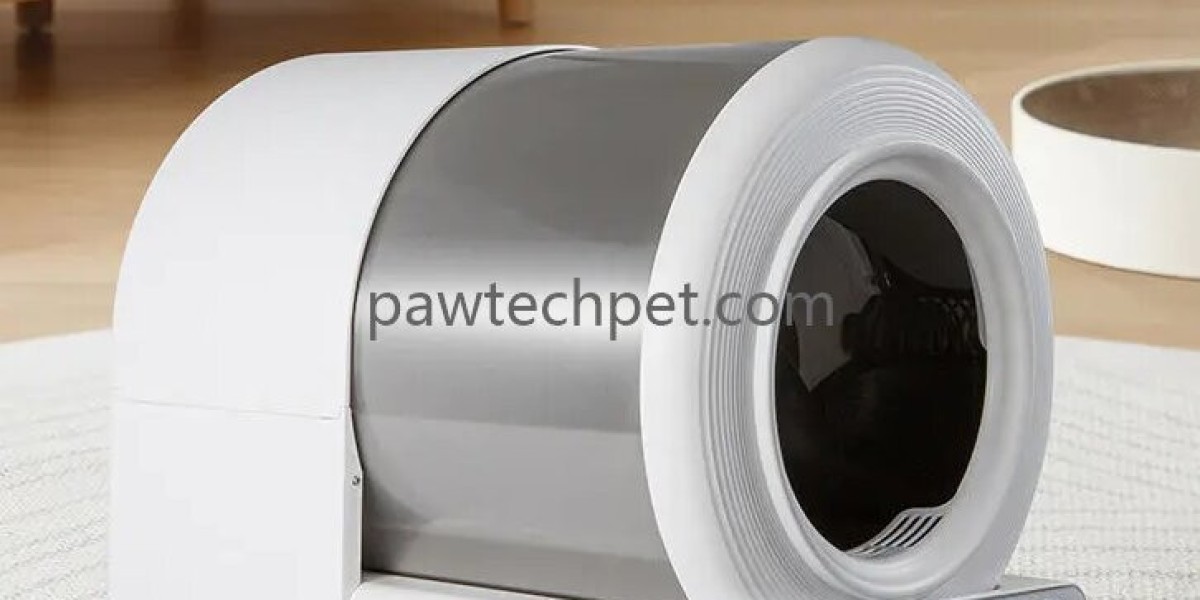

Maintaining a clean litter area is an important part of caring for indoor cats, but frequent manual cleaning can be inconvenient for busy households. Modern Cat Litter Box Automatic Cleaning technology uses mechanical systems, sensors, and programmed operating cycles to simplify waste management. Successful designs must balance effective separation, animal comfort, reliable operation, and convenient maintenance without making the daily care routine unnecessarily complicated.
The mechanical structure is central to the overall cleaning process. Depending on the design, a product may use a rotating drum, moving rake, screening mechanism, or another method to separate waste from reusable litter. Each approach creates different engineering requirements. Component geometry, movement paths, clearances, and structural strength should be evaluated together to support consistent operation.
Sensor integration can help coordinate cleaning cycles with the cat's use of the litter area. Sensors may detect presence, weight changes, movement, or other relevant conditions, depending on the product architecture. Their placement and response need careful testing because inaccurate readings could lead to interrupted operation or an unsuitable activation sequence. Reliable detection is particularly important when moving mechanisms are involved.
Control logic determines when and how the cleaning mechanism operates. A system may include a delay after use, a programmed cleaning cycle, or safeguards that pause movement when a cat is detected nearby. The sequence should be predictable and easy to understand. Clear indicators can help owners identify operating status, maintenance needs, or conditions that require attention.
Safety needs to be built into both the mechanical structure and the electronic controls. Moving parts should be designed to reduce the likelihood of trapping or obstructing an animal during operation. Appropriate sensors, protective stops, and controlled movement sequences can provide additional safeguards. These features need to be evaluated through realistic testing rather than relying solely on theoretical design assumptions.
Material selection influences durability and hygiene. The litter chamber, waste container, internal surfaces, and external housing may encounter moisture, dust, waste residue, and cleaning agents. Materials should be selected for their intended environment and routine maintenance requirements. Smooth surfaces and accessible corners can help users remove accumulated residue more easily.
Waste containment is another important design element. The collection compartment should separate waste from the main litter area and allow convenient removal. Secure fitting between the container and its housing can help reduce spills during normal handling. If odor-control features are included, their performance depends on the design, sealing arrangements, filtration materials, and regular maintenance.
Odor management can involve covered compartments, replaceable filters, suitable ventilation paths, or other design approaches. These features should be considered as part of the complete product rather than isolated additions. Airflow, container access, sealing, and cleaning frequency all influence practical performance. Clear maintenance guidance helps owners understand how to maintain the system effectively.
Noise and vibration can affect whether a cat accepts the equipment. Motors, gears, moving frames, and rotating structures may create sound during operation. Component balance, mounting methods, movement speed, and structural rigidity can influence the noise level. Gradual operation and predictable cycles may also help owners introduce the product into a cat's environment more comfortably.
Cleaning and maintenance should remain straightforward despite the automation. Removable waste containers, accessible litter-contact surfaces, and clearly identified service areas can make routine care easier. Components that require regular washing or replacement should be designed for practical access. The product should also allow users to reassemble removable parts correctly after cleaning.
Manufacturing consistency is important because automatic systems contain interacting mechanical and electronic components. Motors, sensors, control boards, gears, molded housings, and connection parts should be checked during production. Assembly inspection can verify component alignment, while functional testing can evaluate cleaning sequences, sensor responses, movement, and waste separation.
Product testing should include different operating conditions. Engineers may evaluate performance with different litter characteristics, variations in waste load, repeated cycles, and normal cleaning procedures. Testing can reveal issues such as residue accumulation, movement resistance, sensor interference, or difficulty removing the collection container. Findings can then inform improvements to the design.
For B2B buyers, product evaluation should cover more than automated functions. Mechanical reliability, animal safety, odor management, maintenance access, spare-part availability, manufacturing quality, and user instructions all influence long-term product performance. Brands should also consider packaging protection and transportation requirements because moving mechanisms and electronic components need appropriate handling before reaching end users.
As household pet care becomes increasingly technology-driven, Cat Litter Box Automatic Cleaning solutions can help simplify routine hygiene management. Effective products depend on coordinated mechanical engineering, dependable sensing, safe movement, durable materials, convenient waste removal, and consistent quality control. Brands exploring additional pet-care product options can find more information at https://www.pawtechpet.com/product/pet-clothing/.