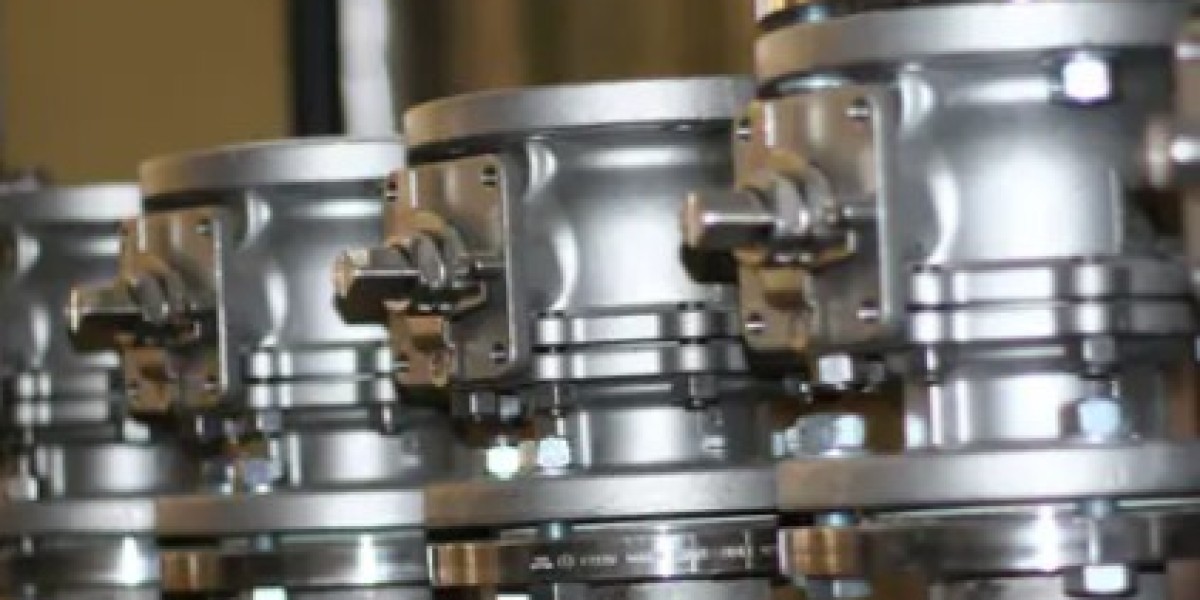

Low-temperature fluid handling places demanding requirements on industrial valve components, particularly when systems transport liquefied gases or operate in environments where conventional materials may lose toughness. Effective Cryogenic Ball Valve Design must account for temperature-related material behavior, sealing performance, thermal contraction, and safe operation throughout the intended service range. These factors influence the selection of the valve body, ball, stem, seats, packing, and operating mechanism. A design that performs well under ordinary ambient conditions cannot automatically be assumed suitable for cryogenic service.
Material selection is one of the first engineering considerations. As temperature decreases, some metals become more susceptible to brittle fracture, while component dimensions and mechanical clearances may change because of thermal contraction. Materials should therefore be selected according to the minimum design temperature, pressure requirements, media characteristics, and applicable standards. Austenitic stainless steels are commonly considered for many low-temperature applications, while other material options may be suitable when supported by relevant technical data. The final selection requires confirmation against the specific operating conditions.
The valve body must provide sufficient strength and structural integrity while accommodating the temperature range expected during operation. Casting and forging can both be used for industrial valve production, but their suitability depends on the design, material specification, component dimensions, and quality requirements. Machining accuracy is equally important because sealing surfaces and internal clearances must remain functional under temperature changes. Manufacturing controls should address dimensional consistency, material traceability, and the inspection procedures specified for the application.
Seat design is another important factor in low-temperature service. Sealing materials can respond differently to cooling, pressure, and repeated temperature cycles. A suitable seat structure must maintain contact with the ball while accommodating expected dimensional changes. Depending on the medium and service conditions, designers may evaluate polymeric materials, specialized low-temperature compounds, or metal-seated arrangements. No single seat material is ideal for every cryogenic application, so compatibility, leakage requirements, pressure, and operating frequency should all be reviewed.
Stem configuration can also influence reliability and operator safety. Some cryogenic valve designs use an extended stem to position the packing and operating components farther from the coldest section of the pipeline. This arrangement can help manage heat transfer and provide space for insulation, depending on the overall design. The required stem length should be determined by engineering considerations rather than selected solely by convention. Installation orientation, insulation thickness, actuator dimensions, and access for maintenance may also affect the final configuration.
Thermal cycling should be considered when evaluating valve performance. Equipment may experience changes between ambient conditions, cooldown, steady operation, and warming during maintenance. Repeated temperature changes can affect sealing contact, bolted connections, packing behavior, and component clearances. Appropriate design verification and testing help identify potential weaknesses before installation. Operating procedures should also specify suitable cooldown and warm-up practices where these are required by the process or equipment manufacturer.
Pressure rating and connection selection must match the complete pipeline specification. Flanged and welded ends are common options in industrial valve systems, but the preferred arrangement depends on installation requirements, applicable piping standards, and maintenance strategy. Buyers should provide the design pressure, minimum and maximum temperatures, nominal size, media, and expected operating conditions when requesting a quotation. These details allow manufacturers to evaluate the suitability of the proposed configuration and identify any special requirements.
Inspection is essential for confirming that the manufactured valve meets the approved specification. Depending on project requirements, inspection may include material verification, dimensional checks, pressure testing, seat leakage testing, and operational checks. For low-temperature applications, additional procedures may be required by the governing standard or project specification. Buyers should agree on acceptance criteria, documentation, and any special testing requirements before production begins.
Cryogenic valves are used in LNG facilities, gas processing plants, industrial gas systems, and other installations that handle fluids at low temperatures. Each application has distinct requirements involving pressure, temperature, flow direction, leakage limits, and maintenance access. Selecting equipment based on the complete operating envelope helps reduce the risk of mismatched materials or unsuitable sealing arrangements.
Zhejiang Naishi Valve Co., Ltd. provides industrial valve solutions for varied pipeline applications, with product information available at https://www.ncevalve.com/product/ . Reviewing the service conditions with an experienced supplier helps buyers assess whether a proposed Cryogenic Ball Valve Design meets the project's material, sealing, testing, and operational requirements.