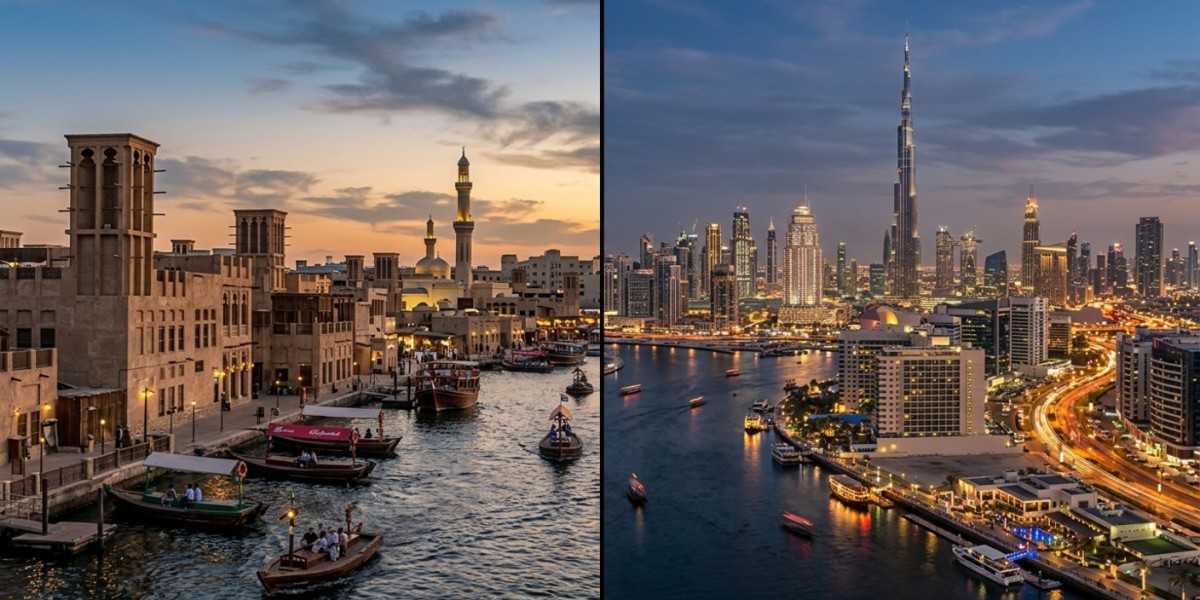

Dubai is a city known for its remarkable transformation, combining traditional Arabian culture with modern architecture, luxury shopping, and ambitious urban development. Over the decades, this destination has evolved from a modest trading settlement into one of the world's most recognizable cities. However, despite its impressive skyscrapers and modern attractions, Dubai continues to preserve the traditions, historic neighborhoods, and cultural values that shaped its identity. Exploring its older districts alongside its contemporary developments reveals how the city balances its rich heritage with its vision for the future.
The contrast between historic streets and futuristic buildings makes Dubai particularly fascinating for travelers. In some areas, visitors can walk through traditional markets, discover old houses, and learn about the city's pearl-diving history. Elsewhere, they can experience luxury hotels, innovative attractions, and spectacular waterfront developments. Each part of the city offers a different perspective on its growth, making it an ideal destination for people interested in history, culture, architecture, and modern lifestyles.
Old Dubai vs New Dubai: Understanding the Difference
The comparison of old dubai vs new dubai highlights two distinct sides of the same destination. Old Dubai reflects the city's traditional roots, shaped by fishing, pearl diving, maritime trade, and local communities. New Dubai represents rapid development, international business, advanced infrastructure, and contemporary urban living. Although their appearances and lifestyles may differ considerably, both areas contribute to the character that makes Dubai unique. Understanding these differences helps visitors plan a more meaningful trip and appreciate the city's journey through time.
Exploring the Historic Charm of Old Dubai
Old Dubai is especially appealing to travelers who want to experience the region's cultural heritage. Areas such as Al Fahidi Historical Neighbourhood feature narrow lanes, traditional courtyard houses, and distinctive wind towers that once helped cool buildings before modern air conditioning became widespread.
Walking through this neighborhood offers a glimpse into architectural practices that responded to the local climate. Thick walls, shaded passages, and enclosed courtyards helped residents manage the intense desert heat. These traditional design elements also demonstrate how earlier communities created comfortable living environments using locally available materials and practical construction techniques.
Another important attraction is Dubai Creek, which played a major role in the city's commercial development. Historically, boats carried goods between Dubai and other trading destinations, supporting the growth of local markets and businesses. Today, visitors can still experience traditional abra crossings while enjoying views of the waterfront.
Nearby souks offer another memorable experience. The Gold Souk displays intricate jewelry, while the Spice Souk features aromatic spices, herbs, and traditional ingredients. Together, these attractions provide opportunities to explore local commerce, regional flavors, and longstanding trading customs.
Discovering the Modern Side of Dubai
New Dubai presents a dramatically different atmosphere, characterized by impressive skylines, contemporary architecture, luxury residences, and large entertainment destinations. Downtown Dubai is home to the Burj Khalifa, an internationally recognized skyscraper that symbolizes the city's ambition and architectural innovation.
The surrounding district features modern shopping centers, restaurants, hotels, and landscaped public spaces. Dubai Marina offers another example of contemporary urban planning, with residential towers overlooking a waterfront lined with cafés, restaurants, and leisure facilities. Its promenades and marina views attract residents and visitors throughout the year.
Palm Jumeirah demonstrates how engineering and large-scale development have reshaped Dubai's coastline. This artificial island features hotels, residential properties, restaurants, and recreational attractions. Meanwhile, areas such as Business Bay have developed into important commercial districts, combining offices, apartments, and hospitality facilities.
Modern Dubai also provides extensive transportation connections, shopping opportunities, entertainment venues, and international dining options. These features reflect the city's position as a global destination for tourism, business, and investment.
Architecture and Lifestyle: Two Different Experiences
Architecture offers one of the clearest ways to understand the contrast between the city's historic and modern districts. Older buildings emphasize climate-responsive design, modest proportions, shaded spaces, and traditional materials. Contemporary developments frequently incorporate glass façades, steel structures, expansive windows, and innovative engineering systems.
Lifestyle differences are equally noticeable. In historic neighborhoods, daily life often revolves around local shops, traditional markets, cultural attractions, and waterfront activities. Modern districts provide a faster-paced environment with luxury amenities, international businesses, high-rise residences, and diverse entertainment options.
However, these differences do not mean that one side is more valuable than the other. Traditional neighborhoods preserve the stories and customs that established Dubai's identity, while modern developments support its changing economic and social needs.
Which Part of Dubai Should You Visit?
The best area to explore depends on your interests, available time, and travel budget. History enthusiasts and cultural travelers may prefer Al Fahidi Historical Neighbourhood, Dubai Creek, and the traditional souks. These destinations offer opportunities to understand the city's past without relying entirely on modern attractions.
Visitors interested in architecture, shopping, luxury experiences, and contemporary entertainment may enjoy Downtown Dubai, Dubai Marina, and Palm Jumeirah. These areas provide a different perspective on the city's development and offer plenty of activities for couples, families, and solo travelers.
Ideally, travelers should experience both sides during the same trip. Spending a morning exploring historic lanes and traditional markets before visiting a modern waterfront district later in the day creates a balanced itinerary.
Conclusion
Dubai's appeal comes from its ability to connect its historical foundations with ambitious modern development. Traditional neighborhoods reveal the trading heritage, architectural ingenuity, and cultural practices that shaped the city, while contemporary districts demonstrate its international outlook and technological progress. Rather than choosing between the two, visitors can appreciate how each contributes to the destination's identity. By exploring historic markets, traditional architecture, impressive skyscrapers, and modern waterfront communities, travelers gain a deeper understanding of Dubai's remarkable transformation and its continuing evolution.







