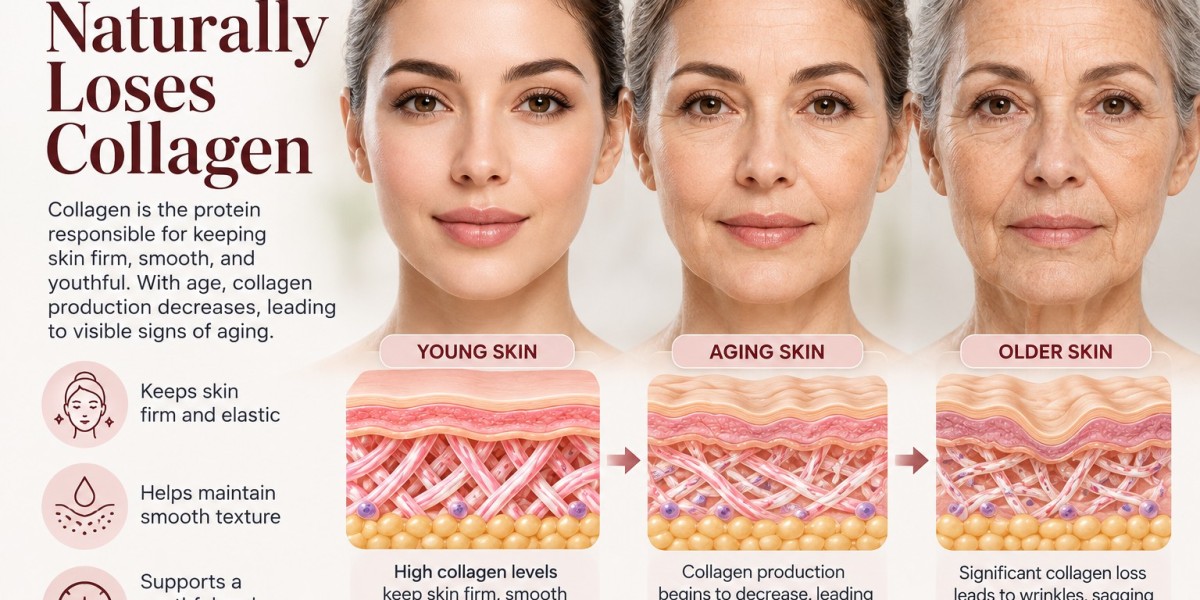

As we age, our skin naturally loses collagen, the protein responsible for keeping it firm, smooth, and youthful. This decline begins in our mid-twenties and accelerates over time, leading to fine lines, wrinkles, and sagging. For many people, this is where collagen treatment for skin becomes an appealing option. But what exactly does collagen treatment involve, and is it worth it? This guide breaks down everything you need to know.
What Is Collagen and Why Does It Matter?
Collagen is the most abundant protein in your body. It provides structure and support to your skin, bones, tendons, and ligaments. In the skin, collagen works together with elastin and hyaluronic acid to maintain firmness, elasticity, and hydration.
When collagen levels drop, the visible signs of aging appear. Skin becomes thinner, drier, and less resilient. Wrinkles form, and facial volume decreases. While this is a natural process, certain factors can speed it up. Sun exposure, smoking, poor diet, and chronic stress all contribute to collagen breakdown.
Why Consider Collagen Treatment?
Collagen treatment aims to replenish or stimulate collagen production in the skin. Depending on the type of treatment, the goals can include:
Reducing fine lines and wrinkles
Restoring facial volume
Improving skin texture and tone
Fading acne scars
Enhancing overall skin radiance
Many people turn to collagen treatments when topical creams and serums no longer deliver noticeable results. Others seek preventive treatments to maintain youthful skin for longer.
Types of Collagen Treatments
Collagen treatments come in several forms, each with its own approach and level of evidence.
Injectable Collagen
Injectable collagen is the most direct form of treatment. A professional injects collagen into the skin to fill wrinkles, restore volume, or stimulate regeneration.
There are two main types. The first acts as a filler, physically adding volume to depressed areas like scars or deep lines. The second is designed to trigger your skin's own collagen production through a regenerative response.
Modern injectable collagen products are safer than older animal-derived versions. Recombinant collagen, produced through biotechnology, offers a lower risk of allergic reactions.
Injectable collagen is particularly effective for atrophic acne scars, facial volume loss, and photoaging-related changes. Results are temporary and may require maintenance sessions.
Oral Collagen Supplements
Collagen supplements, available as powders, capsules, or drinks, have become hugely popular. They promise smoother, more youthful skin from within.
However, the science is mixed. When you swallow collagen, your body breaks it down into amino acids and peptides, just like any other protein. It does not send ingested collagen directly to your skin.
Some studies show improvements in skin hydration and elasticity, while others show no effect. Many studies are funded by the supplement industry, which can influence results. When researchers look only at high-quality, independent studies, the evidence for oral collagen supplements is weak.
That said, collagen peptides are generally safe. If you want to try them, give them a fair trial of a couple of months and keep expectations realistic.
Topical Collagen Products
Collagen creams and serums are widely available, but they face a fundamental challenge. Collagen molecules are too large to penetrate the skin's surface. This limits their ability to provide structural benefits to deeper layers.
Some newer formulations use advanced delivery systems to improve penetration. While promising, independent evidence supporting topical collagen's effectiveness remains limited. These products may still offer moisturizing and protective benefits, but they are unlikely to replace lost collagen.
Collagen-Stimulating Procedures
Beyond injectable collagen itself, several professional treatments work by triggering your skin's own collagen production.
Microneedling creates tiny wounds that stimulate collagen synthesis during healing. Laser resurfacing removes damaged surface layers and promotes new collagen formation. Radiofrequency and ultrasound therapies deliver energy to deeper layers, heating tissue and stimulating fibroblasts.
These treatments are usually performed in a series, with results building gradually over weeks or months.
Supporting Collagen Naturally
While professional treatments can help, supporting your body's natural collagen production is equally important.
A diet rich in protein provides the amino acids needed for collagen synthesis. Vitamin C is especially important, as it supports collagen production and protects skin from damage. Citrus fruits, peppers, strawberries, and broccoli are excellent sources. Zinc and copper also play supporting roles.
Sun protection is critical. Ultraviolet rays break down collagen and impair new production. Daily sunscreen use is one of the most effective ways to preserve your skin's collagen.
Avoiding smoking and limiting sugar intake also help protect collagen. Smoking constricts blood vessels and reduces oxygen supply to the skin, while excess sugar can damage collagen through a process called glycation.
What to Expect from Treatment
If you are considering professional collagen treatment, here is what you should know.
Results are not immediate. Collagen remodeling takes time, so improvements appear gradually over weeks or months.
Multiple sessions are often needed. Most treatments work best when performed in a series.
Results are temporary. Collagen continues to break down over time, so maintenance sessions may be required.
Individual results vary. Factors like age, skin condition, and lifestyle influence outcomes.
Making an Informed Choice
The most important step is consulting with a qualified professional. A dermatologist or aesthetic practitioner can assess your skin and recommend the best approach for your concerns.
Be cautious of dramatic claims. The evidence supports modest, gradual improvements rather than overnight transformations. Injectable collagen has meaningful evidence for specific concerns like acne scars and volume loss. Oral supplements have weaker evidence, and topical products have limited penetration.
A balanced approach combining professional treatments, sun protection, and healthy lifestyle habits gives you the best chance of maintaining healthy, youthful skin.
Final Thoughts
Collagen treatment for skin offers real possibilities for those looking to address signs of aging. Whether you choose injectables, supplements, or collagen-stimulating procedures, understanding the options helps you make a decision that fits your goals. With the right approach and realistic expectations, you can support your skin's health and appearance for years to come.