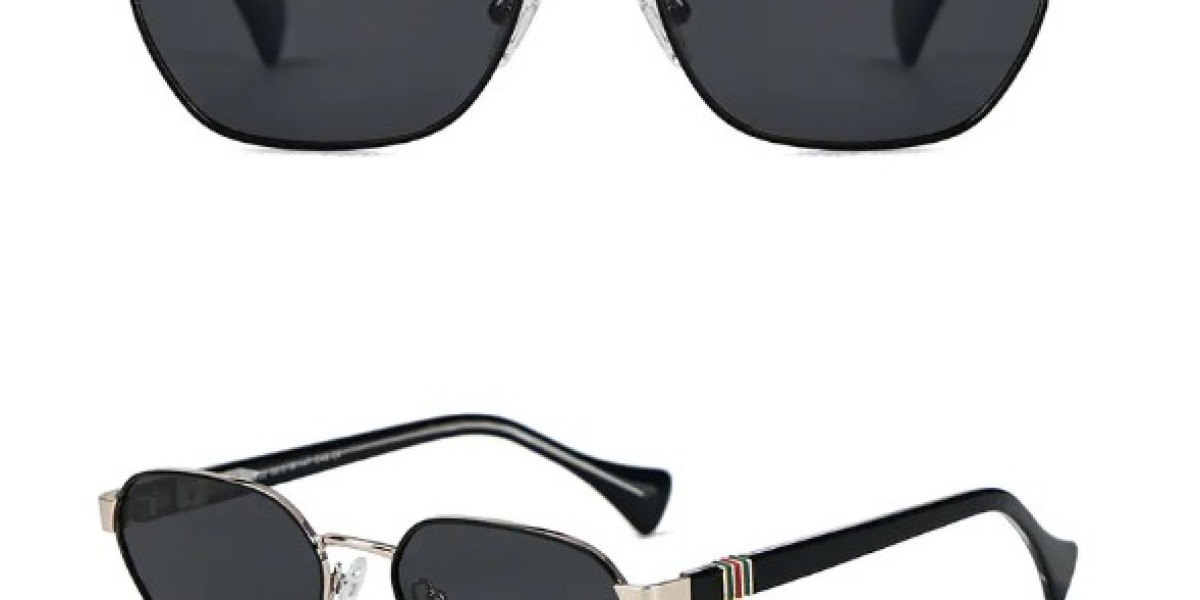

Sunglasses have evolved into products that combine outdoor functionality with fashion and personal expression. For international buyers evaluating a Sunglasses Factory, understanding the relationship between design, materials, lens characteristics, and manufacturing quality is essential. A dependable sourcing process considers not only how products look but also how consistently they can be produced, inspected, packaged, and supplied.
Product development usually begins with the intended market. Some collections focus on classic designs for everyday use, while others emphasize sporty profiles, oversized frames, geometric shapes, or fashion-oriented details. Defining the target customer early helps guide decisions about frame proportions, colors, materials, and lens options.
Frame materials influence both appearance and construction. Synthetic materials can support diverse shapes and color combinations, while acetate-style materials may provide polished surfaces and distinctive patterns. Metal components can introduce a refined visual character or create thinner structural details. Mixed-material designs allow manufacturers to combine different finishes and develop more distinctive products.
Lens selection is another important consideration. Lens shape should complement the frame structure, while color and surface treatment contribute to the overall aesthetic. Gray, brown, green, and other shades can support different styling directions. Buyers should also distinguish lens appearance from technical performance, particularly when products are marketed for outdoor use.
Ultraviolet protection is a key consideration for sunwear. Buyers should review appropriate technical documentation and applicable standards for their destination markets. Darker lenses should not automatically be assumed to provide stronger UV protection. Polarization is a separate characteristic designed to reduce certain forms of reflected glare, so its presence should also be confirmed through reliable product specifications.
Comfort contributes directly to the practical value of sunglasses. Frame width, bridge construction, temple length, and overall weight affect how the product sits on the wearer. A frame that looks attractive but fits poorly may be less suitable for regular use. Manufacturers should therefore consider ergonomics during design development and evaluate samples under realistic wearing conditions.
Production quality depends on consistent execution across multiple stages. Material preparation, component forming, lens installation, hinge assembly, and surface finishing can all influence the finished product. Inspection procedures should examine frame symmetry, lens positioning, hinge movement, visible defects, and overall assembly quality.
For wholesalers and retailers, consistency across production batches is particularly important. Differences in color, dimensions, surface finish, or component alignment can make inventory less uniform. Clear specifications and approved reference samples provide a useful basis for checking finished products. Buyers may also establish inspection criteria before placing larger orders.
Customization allows brands to differentiate their collections. Private-label customers may request particular frame colors, lens combinations, logos, temple details, packaging, or model assortments. These requirements should be communicated clearly during development so that the manufacturer can evaluate feasibility and coordinate the production process. Sample approval helps confirm the design before full production.
Packaging serves both protective and commercial purposes. Sunglasses need suitable protection against scratches, pressure, and movement during transportation. Branded packaging can also reinforce the product's identity and create a consistent retail presentation. Buyers should consider packaging requirements early, especially when coordinating several models within one collection.
International sourcing also requires attention to communication and delivery planning. Buyers should clarify order quantities, production schedules, inspection arrangements, packaging specifications, and shipping expectations. Reliable information exchange can reduce avoidable delays and help both parties coordinate their responsibilities.
Consumer preferences continue to change, creating demand for collections that balance familiar designs with fresh styling. A well-structured assortment may include classic silhouettes, contemporary geometric frames, sport-inspired models, and different color options. Manufacturers that can coordinate these variations consistently may provide greater flexibility for brands serving multiple market segments.
Choosing a suitable Sunglasses Factory therefore involves more than comparing product prices. Design capabilities, material options, quality management, customization, communication, and production planning all contribute to the sourcing decision. Evaluating these factors together can help international buyers build more consistent and commercially adaptable sunglasses collections.