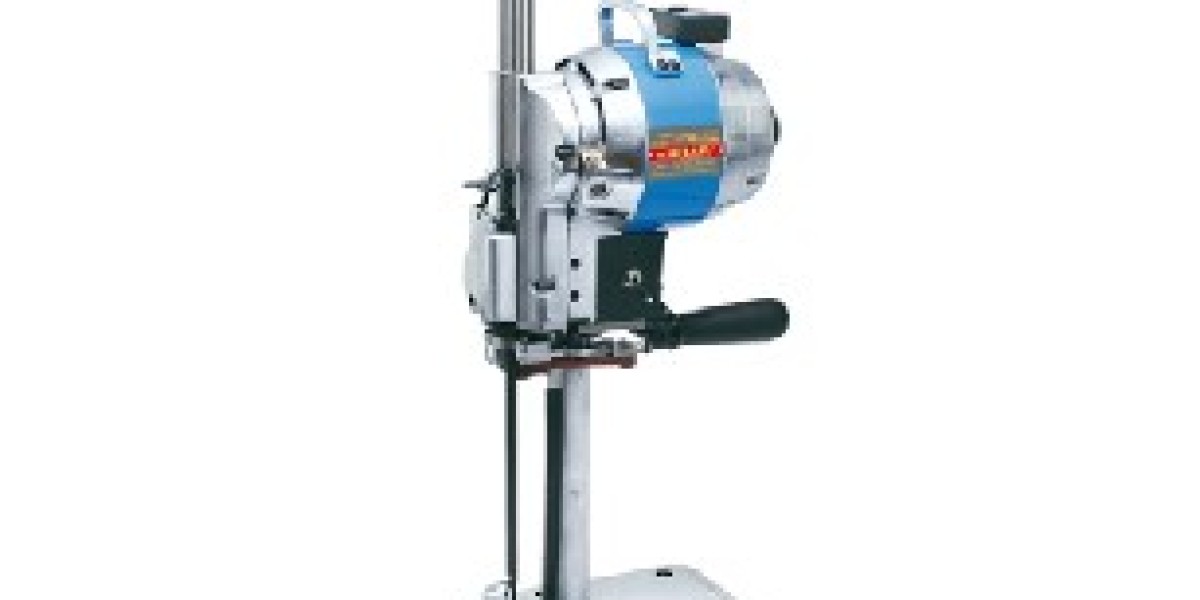

Labels are small components, but they perform important functional and visual roles in finished garments. Brand labels, size labels, care labels, decorative tags, and identification pieces all need to be prepared consistently before they can be sewn, folded, attached, or incorporated into clothing. In this process, label cutting provides an essential connection between continuous textile materials and the individual components used in final garment assembly.
Labels can be produced from woven polyester, cotton, nylon, satin, synthetic fibers, and other textile materials. Their structures can vary significantly, with some materials being flexible and smooth while others have tighter woven surfaces. Different materials can also respond differently to pressure and movement during processing. Stable feeding and controlled separation therefore become important when manufacturers need consistent pieces across large production quantities.
Accurate processing can make downstream operations easier. When labels have consistent dimensions and clean edges, they can be folded, positioned, sewn, or attached with greater predictability. By contrast, irregular pieces may require manual correction or additional inspection. In a high-volume manufacturing environment, repeated corrections can affect productivity and create unnecessary labor requirements.
The consumer experience is also connected to label quality. A care label provides useful information about washing and garment maintenance, while a size label helps consumers select suitable clothing. Brand labels contribute to product identity and visual presentation. Labels may seem insignificant compared with the main fabric, but their positioning, appearance, and comfort can influence how consumers interact with a finished garment.
Modern manufacturers increasingly rely on automation to manage repetitive production operations. Manual separation may be practical for small orders, customized products, or development samples, but larger production runs require stable and repeatable processing. Automated equipment can reduce the physical repetition involved in preparing individual components and allow operators to focus on material preparation, quality monitoring, and production coordination.
Flexibility is another important consideration. Apparel manufacturers may produce labels in different sizes, materials, designs, and quantities depending on customer requirements. Production equipment that can adapt to changing workflows gives manufacturers greater freedom when responding to different orders. This flexibility can be especially valuable for suppliers serving multiple apparel brands or handling frequent changes in product collections.
Material utilization should also be considered. Poorly controlled cutting can create uneven pieces and unnecessary offcuts. When production volumes are high, small amounts of waste repeated across thousands of components can become significant. Better process control can help manufacturers make more efficient use of textile materials while reducing the need to replace rejected components.
A well-organized cutting process can also support better production planning. Once individual pieces are prepared consistently, they can move into sorting, stacking, folding, sewing, or attachment operations more efficiently. This creates a more connected workflow in which each production stage supports the next instead of requiring frequent manual adjustment.
Operators remain important even in highly automated environments. Machinery should make routine work easier to control while allowing skilled employees to supervise quality and respond to changes. Practical equipment design, stable material feeding, and predictable operation can help manufacturers integrate automation without unnecessarily disrupting existing production practices.
JEMA develops textile machinery solutions for manufacturers seeking practical approaches to production automation and material processing. A well-controlled label cutting process can contribute to consistent component quality, improved workflow efficiency, reduced repetitive labor, and better material utilization. Companies evaluating equipment for apparel and textile applications can explore broader manufacturing solutions and machinery options at https://www.chinajema.com/product/.







