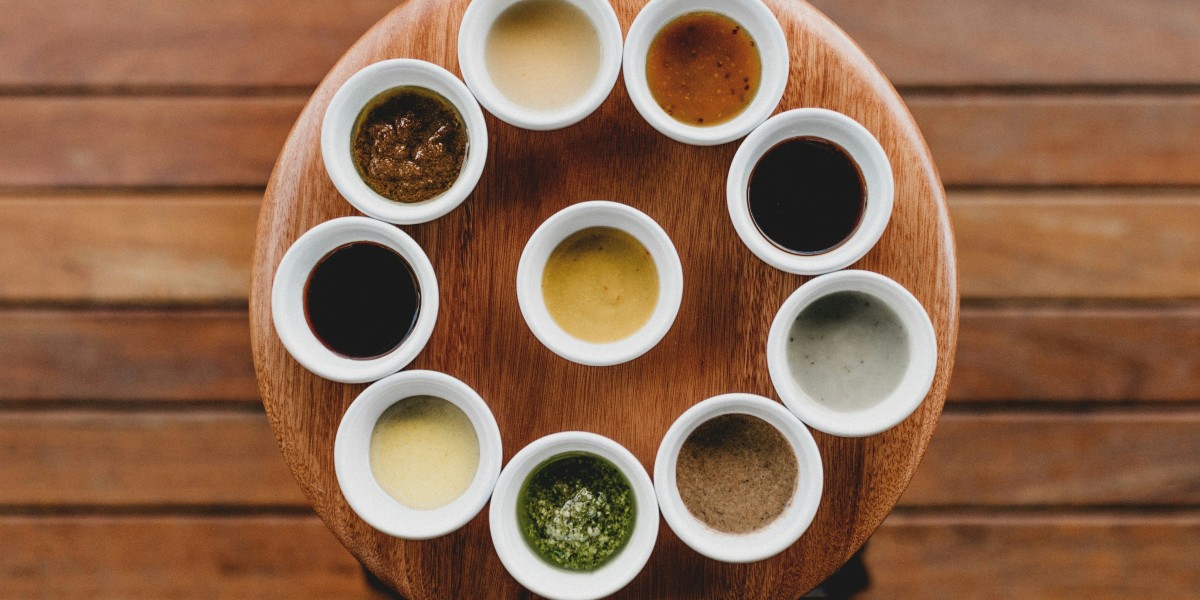

India’s food and beverage landscape is evolving as packaged food consumption, product diversification, and changing meal preferences influence demand for sauces, dressings, and condiments. Manufacturers are expanding portfolios beyond traditional offerings to include cooking sauces, salad dressings, ready-to-cook formulations, Asian and hot sauces, barbecue products, and specialty table sauces. This broader product mix is creating multiple avenues for category development across retail and food-service channels.
A comprehensive assessment by Markntel Advisor indicates that the India Sauces, Dressings & Condiments Market is valued at USD 4.81 billion in 2026 and is projected to reach USD 7.21 billion by 2032, registering a CAGR of 6.97% during 2026–2032. The study uses 2025 as the base year and identifies Table & Cooking Sauces as the leading segment by product category. The India Sauces, Dressings & Condiments Market report examines categories including ketchup and tomato sauces, mayonnaise and salad dressings, Asian and hot sauces, ready-to-cook and meal sauces, barbecue products, and specialty table sauces.
Table and Cooking Sauces Lead Product Demand
Table & cooking sauces represent the leading product category in the study, reflecting the broad range of applications these products have across household cooking and meal accompaniment. Ketchup and tomato sauces, mayonnaise, salad dressings, Asian sauces, and hot sauces serve different culinary requirements, allowing manufacturers to address varied taste preferences.
The category also benefits from the development of ready-to-cook and meal sauce formats, which can complement prepared and partially prepared food products. As packaged food portfolios become more diversified, sauce manufacturers can introduce products suited to different recipes, cuisines, serving occasions, and consumer preferences.
India’s Food Processing Base Supports Category Development
The broader food-processing ecosystem provides an important foundation for packaged sauces and condiments. According to the Ministry of Food Processing Industries’ annual reports, the Indian government continues to support the development of food-processing capabilities and related value chains.
Food processing connects agricultural raw materials with packaged consumer products, creating opportunities for manufacturers operating across sauces, dressings, condiments, and other prepared food categories. Improvements in processing, packaging, storage, and distribution can also support wider product availability.
Food Safety Standards Shape Product Formulation
Regulatory compliance remains an important consideration for producers of sauces and condiments. The FSSAI food products standards and additives regulations include provisions covering fruit and vegetable products, salt, spices, condiments, and related food categories. These standards provide a regulatory framework concerning product composition and food-safety requirements.
FSSAI's standards also distinguish different sauce categories, including emulsified and non-emulsified products, while specific provisions cover products such as culinary sauces and soybean sauce. This regulatory structure remains relevant as manufacturers introduce new formulations and expand product portfolios.
Hot and Asian Sauces Broaden Product Choices
Asian and hot sauces form part of the product categories covered by the study, reflecting the range of flavor profiles available to consumers. Manufacturers can differentiate products through ingredients, spice intensity, formulation, and intended culinary application.
The availability of diverse sauce formats allows companies to address both traditional and contemporary meal preferences. It also provides opportunities for products designed around specific cuisines and recipes, supporting greater segmentation within the category.
Ready-to-Cook and Meal Sauces Add Convenience
Ready-to-cook and meal sauces represent another area of product diversification. These formulations can be positioned as convenient components for household meal preparation, helping consumers incorporate sauces into different dishes without preparing them entirely from scratch.
The broader Indian food-processing industry is also experiencing investment and capacity development. Current industry data indicate that India’s food-processing sector has expanded significantly, with processed food contributing increasingly to agricultural value addition and exports. Such developments provide a wider ecosystem for packaged food categories, including sauces and condiments.
Barbecue and Specialty Products Support Segmentation
Barbecue and specialty table sauces add further diversity to the category. These products can be developed for specific meals, cuisines, preparation methods, or serving occasions. Product differentiation through flavors, packaging, and positioning allows manufacturers to establish distinct offerings within the broader sauces and condiments segment.
Specialty products can also complement established categories such as ketchup, mayonnaise, and cooking sauces, creating a wider portfolio for manufacturers and retailers.
Packaging and Distribution Remain Important
Packaging plays a practical role in preserving product quality, communicating information, and supporting different consumption formats. Bottles, jars, pouches, and other formats can be selected according to product characteristics, serving requirements, storage considerations, and distribution channels.
As packaged food availability expands across retail and food-service environments, manufacturers can use varied pack sizes and formats to serve household, institutional, and commercial requirements. Regulatory packaging and labeling compliance remains an important component of this process.
Outlook Through 2032
The India sauces and condiments industry outlook indicates continued expansion during the forecast period. From USD 4.81 billion in 2026, the sector is projected to reach USD 7.21 billion by 2032, reflecting a 6.97% CAGR.
The combination of product diversification, food-processing development, regulatory frameworks, and expanding applications is expected to shape the industry through 2032. With Table & Cooking Sauces identified as the leading product category, manufacturers are likely to continue developing offerings across cooking sauces, dressings, hot and Asian sauces, ready-to-cook products, barbecue varieties, and specialty formulations.







