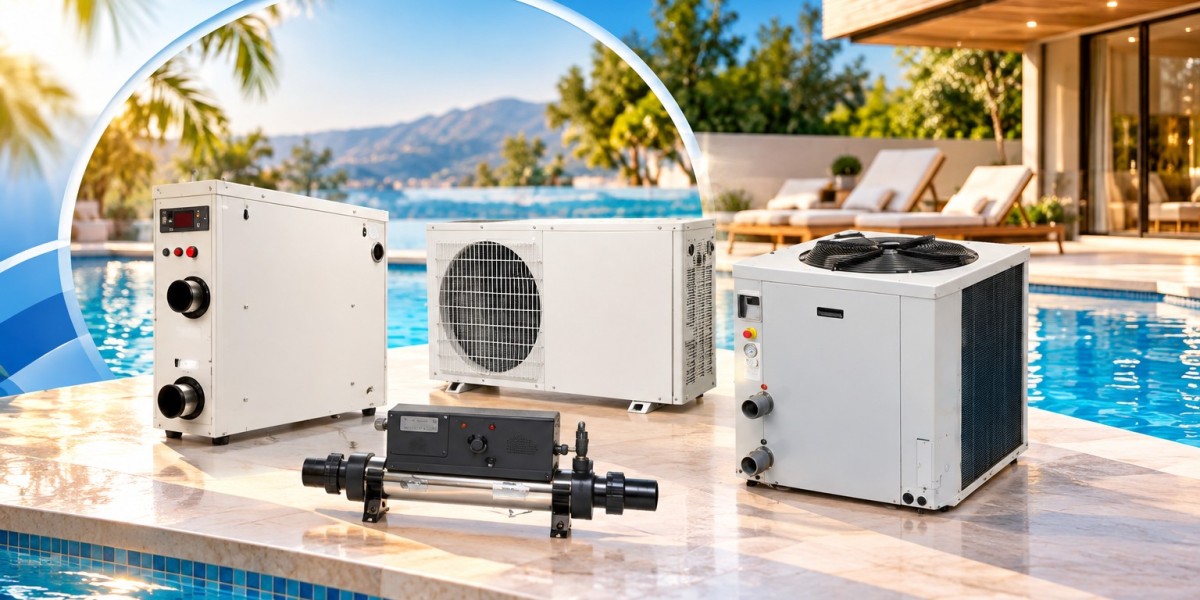

A swimming pool can become difficult to use comfortably when water temperatures drop, particularly during winter and cooler months. A suitable swimming pool heating system can help maintain a more comfortable water temperature and extend the practical swimming season. Different types of swimming pool heaters are available, so selecting the right solution depends on pool size, usage, climate, energy availability, and operating requirements.
Why Use a Swimming Pool Heating System?
A pool heating system is designed to raise or maintain the temperature of pool water according to the requirements of the facility. For residential pools, hotels, clubs, schools, sports facilities, and commercial swimming pools, heating can make the pool more usable when natural water temperatures are too low.
The appropriate system can offer several practical advantages:
More comfortable swimming during cooler weather
Longer seasonal use of the swimming pool
Better temperature management for commercial facilities
Suitable heating options for residential and large-scale pools
Greater flexibility in maintaining the desired water temperature
The actual performance and running cost depend on factors such as pool volume, insulation, outdoor temperature, operating hours, and the selected heating technology.
Types of Swimming Pool Heaters
Different heating technologies are suitable for different applications. Common options include:
Heat Pump Pool Heaters
Heat pumps transfer heat from the surrounding air to the pool water. They are often considered for residential and commercial pools where efficient long-term heating is important. Their suitability depends on ambient conditions, pool size, required temperature, and operating schedule.
Electric Pool Heaters
Electric heaters use electrical energy to heat the water. They can be useful for applications where straightforward installation and direct heating are preferred. The required electrical capacity should be considered before installation.
Gas Pool Heaters
Gas-fired systems can provide rapid heating and may be suitable for pools that require quick temperature increases or intensive heating during particular periods. Fuel availability, operating costs, ventilation, and installation requirements should be evaluated carefully.
How to Select the Right Pool Heating System
Choosing swimming pool heaters should not be based only on the initial purchase price. Several technical factors influence the suitability of a system.
Pool size and water volume: Larger pools generally require greater heating capacity.
Desired temperature: The required water temperature affects the heating capacity and energy consumption.
Usage pattern: A pool used daily may require a different solution from one used occasionally.
Local climate: Outdoor temperatures and seasonal conditions influence heating performance.
Energy source: Consider the availability and operating cost of electricity or gas at the installation location.
Installation requirements: Space, electrical connections, plumbing, ventilation, and existing filtration infrastructure may all need to be considered.
Swimming Pool Heaters for Residential and Commercial Applications
A properly selected heating system can be used across different swimming pool environments. Residential pools may require compact solutions, while hotels, resorts, sports clubs, schools, and commercial facilities may need higher-capacity systems designed for extended operating periods.
For larger projects, it is particularly important to assess heating capacity, circulation requirements, operating schedules, and installation conditions before selecting equipment.
Maintenance and Operating Considerations
Regular maintenance helps keep a pool heating system operating properly. The filter and circulation system should be maintained because clean and consistent water flow is important for pool heating equipment. Depending on the heater type, components may also require periodic inspection and servicing.
Pool water chemistry should also be monitored. Maintaining appropriate water balance can help reduce the risk of scaling or corrosion within equipment and connected components.
Conclusion
Selecting a swimming pool heating system requires consideration of pool size, climate, usage, desired temperature, energy source, and installation requirements. From heat pumps to electric and gas-based solutions, the right choice depends on the specific application. DS Water Technology provides swimming pool heating solutions for residential, commercial, and project requirements, helping customers evaluate suitable equipment based on their pool's heating needs.
FAQs
What is a swimming pool heating system?
A swimming pool heating system is equipment designed to increase or maintain pool water temperature, allowing the pool to remain comfortable during cooler weather.
Which swimming pool heaters are suitable for commercial pools?
Heat pumps, gas heaters, and electric heating systems can be used for commercial pools depending on pool size, heating requirements, operating hours, energy availability, and project specifications.
Do pool heaters work with an existing filtration system?
Many pool heating systems can be integrated with an existing circulation and filtration setup, provided the flow rate, plumbing connections, and equipment specifications are compatible.
How can I choose the right pool heater?
Consider pool volume, desired water temperature, local climate, usage frequency, available energy source, heating capacity, installation requirements, and operating costs before selecting a heater.
How can pool heating equipment be maintained?
Regular inspection, proper water chemistry, adequate water circulation, filter maintenance, and periodic professional servicing can help maintain pool heating equipment and its connected components.