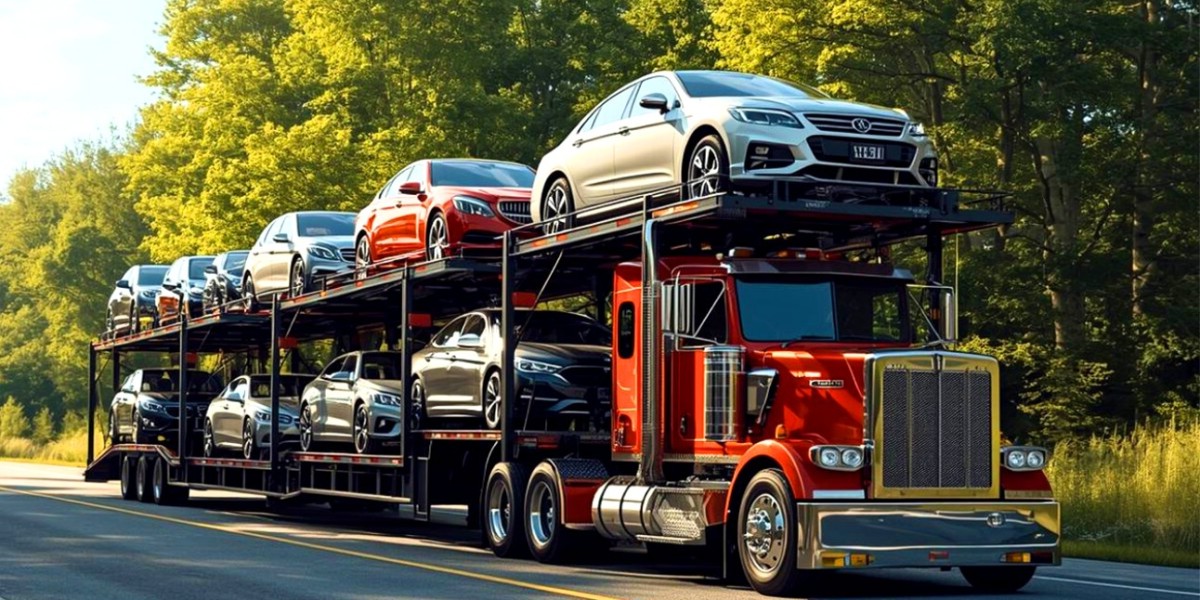

Recreational vehicles give travelers the freedom to explore new destinations while bringing many of the comforts of home along for the journey. However, when an RV needs to be moved across several states, driving it yourself may not always be the most convenient option. Professional transportation can provide a practical solution for owners who need to relocate, purchase, sell, or deliver an RV.
Whether you own a motorhome, travel trailer, fifth wheel, or another type of recreational vehicle, arranging professional RV transport can simplify a long-distance move. Proper planning helps ensure that the vehicle's size, weight, condition, pickup location, and destination are considered before transportation begins.
Why Do People Transport RVs?
RV owners may need transportation for many different reasons. Some purchase an RV from a seller located hundreds of miles away, while others need to move their recreational vehicle after relocating to another state.
Common reasons for transporting an RV include:
Moving to a new state
Buying an RV from another location
Selling an RV to an out-of-state customer
Delivering an RV to a vacation property
Moving an RV to a storage facility
Seasonal relocation
Taking an RV to a repair facility
Dealer-to-customer deliveries
Moving an RV for an event or exhibition
Professional transportation can be especially useful when the owner does not want to drive a large recreational vehicle over a long-distance route.
Types of RVs That Can Be Transported
RVs come in many configurations, and transportation requirements can vary depending on the vehicle type.
Common recreational vehicles include:
Class A motorhomes
Class B motorhomes
Class C motorhomes
Travel trailers
Fifth-wheel trailers
Toy haulers
Camper trailers
Pop-up campers
Specialty recreational vehicles
Each type has different dimensions, weights, and transportation requirements. Providing accurate specifications before booking is important for selecting an appropriate transportation method.
How RV Transport Works
The transportation process generally begins with collecting information about the RV and the requested route. The owner provides the vehicle details, pickup location, delivery destination, and preferred timeframe.
Once the information is reviewed, the transportation provider can determine how the RV should be moved.
1. Vehicle Information
Important details may include:
Make and model
RV type
Length
Width
Height
Approximate weight
Running condition
Trailer information
Pickup address
Delivery address
Accurate measurements are particularly important for large RVs because height and width can influence route planning.
2. Transportation Planning
The carrier reviews the RV's specifications and determines the appropriate transportation arrangement. Larger recreational vehicles may require specialized equipment or additional route planning.
3. Vehicle Preparation
Before pickup, the RV should be prepared according to the carrier's instructions. Loose items should be secured, personal belongings removed, and exterior components checked.
4. Pickup and Loading
The carrier coordinates the pickup location and prepares the RV for transportation. The loading process depends on the type of RV and transportation equipment being used.
5. Delivery
After transportation, the RV is delivered to the agreed destination. The owner should inspect the vehicle and compare its condition with photographs or documentation created before shipment.
Understanding RV Shipping Services
Professional RV shipping services can help owners move recreational vehicles between cities and states without requiring them to complete a long-distance drive.
Shipping services may be useful for both individual owners and businesses. Dealerships, RV manufacturers, storage facilities, repair centers, and private customers can all have different transportation needs.
When comparing services, consider the provider's experience with recreational vehicles, available transportation equipment, insurance information, communication process, and ability to accommodate the specific RV.
What Affects RV Transportation Costs?
The price of transporting an RV depends on several factors. There is no single rate that applies to every shipment because RVs differ significantly in size and transportation requirements.
Distance
Longer routes generally require more fuel, time, and planning. Moving an RV across multiple states may therefore have different transportation costs than a shorter regional shipment.
RV Size and Weight
Large motorhomes and fifth-wheel trailers may require more specialized equipment than smaller campers.
Pickup and Delivery Locations
Accessibility can affect transportation arrangements. Narrow roads, steep driveways, gated properties, or remote locations may require additional coordination.
Vehicle Condition
If the RV is not operational, the transportation provider should be informed before scheduling. Special loading equipment may be necessary.
Transportation Method
The type of transportation equipment required depends on the RV's dimensions, weight, configuration, and route.
Timeframe
Customers with specific pickup or delivery deadlines may need additional planning to accommodate their preferred schedule.
Providing accurate information at the beginning can help the transportation provider understand the shipment and develop an appropriate quote.
Preparing an RV for Transportation
Proper preparation is one of the most important steps before shipping an RV.
Start by removing personal belongings and unsecured items from the interior. Objects can shift during transportation and potentially cause damage.
Exterior accessories should also be checked. Depending on the RV, items such as antennas, awnings, satellite equipment, bicycles, or other attachments may need to be secured or removed.
Owners should also:
Close and secure windows
Lock exterior storage compartments
Check tires
Inspect the exterior
Secure loose equipment
Remove unnecessary personal belongings
Document existing damage
Photograph the RV before pickup
If the RV has mechanical issues, notify the carrier before transportation so appropriate arrangements can be made.
Transporting Motorhomes
Motorhomes are self-powered recreational vehicles that can be driven, but long-distance travel may not always be convenient for every owner.
A professional transportation arrangement can be useful when a motorhome needs to move across several states or when the owner prefers not to complete the journey personally.
Before transportation, the motorhome's dimensions, weight, operational condition, and route requirements should be confirmed.
Large Class A motorhomes can have significant dimensions, making route planning especially important.
Transporting Travel Trailers and Fifth Wheels
Travel trailers and fifth wheels require different considerations because they are designed to be towed.
The condition of the trailer, hitch configuration, tires, brakes, and overall dimensions can influence transportation arrangements.
For fifth-wheel RVs, the connection between the trailer and towing equipment requires careful consideration. Owners should provide accurate information about the trailer before scheduling transportation.
RV Transport for Relocations
Moving to another state can involve many logistical challenges, especially when an RV is part of the household's belongings.
Professional RV transportation can help separate the recreational vehicle move from the rest of the relocation process. Instead of driving the RV alongside a moving truck or personal vehicle, owners can arrange transportation independently.
This may provide additional flexibility when coordinating a long-distance relocation.
RV Shipping for Purchases and Sales
Buying or selling an RV in another state is another common reason for professional transportation.
An RV buyer may find the right vehicle hundreds or thousands of miles away. Rather than traveling to collect it and drive it home, the buyer can arrange transportation from the seller's location to the desired destination.
Similarly, dealers and private sellers may need to deliver recreational vehicles to customers in different regions.
Seasonal RV Transportation
Many RV owners use their vehicles seasonally. Some spend winters in warmer areas and summers in other parts of the country.
Moving an RV between seasonal destinations can involve significant travel distances. Professional transportation can provide an option for owners who do not want to drive the RV across the country each season.
Planning ahead can be particularly useful during periods when demand for RV transportation is higher.
Choosing an RV Transportation Provider
When selecting a transportation provider, look beyond the advertised price. The company should be able to explain how the RV will be transported and what preparation is required.
Consider asking:
Does the provider have experience with my type of RV?
What transportation equipment will be used?
How are large RVs handled?
What preparation is required?
What insurance information is available?
How are pickup and delivery scheduled?
What happens if the RV is not operational?
How will transportation updates be communicated?
Clear answers can help you understand the process before committing to transportation.
Tips for a Smooth RV Shipping Experience
A successful shipment begins with preparation.
Measure the RV accurately:
Confirm the length, width, height, and approximate weight.
Take photographs:
Document the vehicle's condition before transportation.
Remove loose belongings:
Secure or remove items that could move during transit.
Check access:
Make sure the pickup and delivery locations can accommodate the RV.
Disclose modifications:
Inform the carrier about aftermarket equipment, extensions, lifts, or other modifications.
Plan ahead:
Allow sufficient time for scheduling and route planning.
Keep documentation:
Maintain important transportation information and pre-shipment photographs.
Benefits of Professional RV Transportation
Professional transportation can offer several practical advantages.
Convenience
Owners can avoid spending days driving a large RV over a long-distance route.
Reduced Wear
Transportation can help reduce additional mileage and road wear on the recreational vehicle.
Long-Distance Capability
Professional carriers can arrange transportation across multiple states.
Specialized Planning
Large RVs may require specific transportation equipment and route considerations.
Flexible Delivery
Transportation can be coordinated for homes, dealerships, storage facilities, vacation properties, and other destinations.
Nationwide RV Transportation
RVs are frequently moved across state lines for purchases, relocations, seasonal travel, dealership deliveries, and recreational purposes. Nationwide transportation provides owners with an option for moving their vehicles over long distances.
Whether an RV is traveling from one nearby state to another or across the country, providing accurate vehicle information is essential. Dimensions, weight, operating condition, and accessibility all contribute to transportation planning.
Conclusion
Moving an RV over a long distance requires more planning than transporting a standard passenger vehicle. The RV's type, dimensions, weight, condition, pickup location, and destination all need to be considered before transportation begins.
Professional RV transport can provide a convenient solution for owners who need to relocate, purchase, sell, store, or deliver a recreational vehicle. With reliable RV shipping services, customers can arrange transportation according to the requirements of their specific vehicle.
By preparing the RV properly, providing accurate information, documenting its condition, and choosing a transportation provider with suitable equipment and experience, owners can make the shipping process more organized from pickup through final delivery.







