
The construction industry is placing greater emphasis on energy efficiency, durability, and aesthetic flexibility as governments and developers pursue more sustainable building practices. Exterior wall systems have consequently become an important consideration for reducing energy consumption while enhancing building performance. Among the available solutions, Exterior Insulation and Finish Systems (EIFS) continue to gain recognition for their ability to combine thermal insulation with attractive architectural finishes, supporting both residential and commercial construction projects.
The Exterior Insulation and Finish System Market reflects this shift toward high-performance building envelopes. According to the latest industry assessment, the market was valued at USD 117.18 billion in 2025 and is projected to increase from USD 129.42 billion in 2026 to USD 202.88 billion by 2032, expanding at a CAGR of 7.78%. This steady growth highlights increasing investments in energy-efficient façade solutions that improve thermal performance while reducing long-term operational costs.
Growing urbanization, stricter building energy regulations, and rising awareness of environmental sustainability are encouraging builders to adopt advanced insulation systems. Modern façade technologies not only improve indoor comfort but also contribute to lowering heating and cooling requirements, making them an essential component of green construction strategies worldwide.
Energy Efficiency Continues to Drive Market Expansion
Energy consumption remains one of the biggest challenges for commercial and residential buildings. Since exterior walls account for significant heat transfer, improving insulation has become a priority for developers seeking compliance with modern building codes.
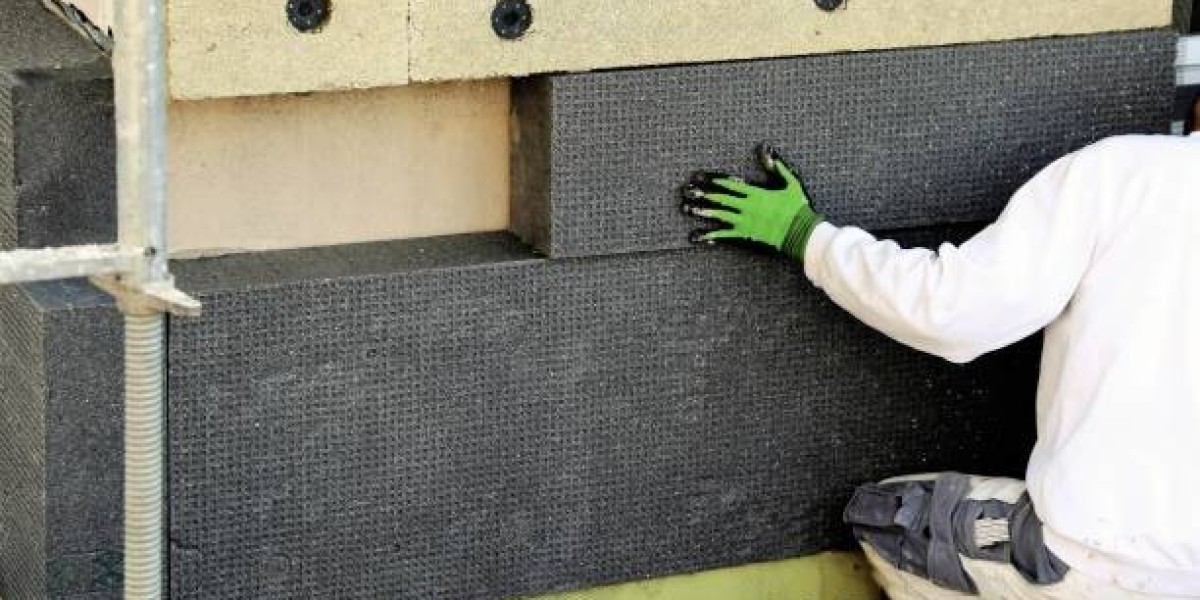
EIFS provides continuous insulation around a building's exterior, minimizing thermal bridging and improving overall energy performance. These systems help maintain stable indoor temperatures throughout the year while lowering HVAC demand. As countries continue introducing stricter energy-efficiency regulations, demand for advanced insulation systems is expected to remain strong across both new construction and renovation projects.
Renovation Projects Are Creating New Opportunities
A considerable portion of existing buildings worldwide was constructed before today's energy-performance standards were established. Governments and property owners are increasingly investing in retrofit initiatives that improve energy efficiency without requiring complete structural replacement.
EIFS enables aging buildings to receive enhanced insulation while simultaneously modernizing their exterior appearance. The ability to combine energy savings with architectural upgrades makes these systems attractive for schools, hospitals, office buildings, apartment complexes, and public infrastructure undergoing renovation. Industry organizations have consistently highlighted building envelope improvements as an effective approach to reducing operational energy use while extending building life.
Growing Demand for Sustainable Construction Materials
Environmental considerations have become central to construction decision-making. Developers increasingly evaluate building materials based on lifecycle performance, carbon reduction potential, and long-term maintenance requirements.
EIFS contributes to sustainability by improving insulation performance and reducing energy consumption throughout a building's operational life. Lightweight components also require fewer structural resources compared to some traditional exterior systems, supporting efficient construction practices. Additionally, manufacturers continue developing improved materials that enhance durability, weather resistance, and environmental performance to meet evolving sustainability expectations.
Architectural Flexibility Supports Wider Adoption
Modern construction projects increasingly demand exterior finishes that combine performance with design flexibility. Architects seek materials capable of creating diverse textures, colors, and architectural styles without compromising energy efficiency.
EIFS offers significant creative freedom through customizable finishes that replicate stone, brick, stucco, or other decorative surfaces. This versatility allows designers to achieve distinctive building aesthetics while maintaining high thermal performance. The combination of functionality and visual appeal has expanded adoption across residential developments, hospitality projects, educational institutions, and commercial buildings.
Technological Innovation Strengthens Competitive Advantage
Manufacturers continue investing in research and development to improve moisture management, impact resistance, fire performance, and installation efficiency. Advanced adhesive systems, reinforcing meshes, drainage technologies, and weather-resistant coatings are enhancing product reliability under varying climatic conditions.
Digital construction methods are also supporting better planning and installation accuracy. Building Information Modeling (BIM), prefabricated construction techniques, and advanced project management tools enable more efficient integration of modern façade systems into complex construction projects. These innovations are helping contractors improve installation quality while reducing project timelines.
Future Outlook
The outlook for exterior insulation systems remains positive as governments, developers, and building owners continue prioritizing sustainability, energy conservation, and resilient infrastructure. With the market expected to grow from USD 129.42 billion in 2026 to USD 202.88 billion by 2032 at a 7.78% CAGR, innovation in insulation technologies will remain an important factor supporting industry expansion.
As construction standards continue evolving toward lower energy consumption and improved environmental performance, advanced façade solutions are expected to play an increasingly important role in delivering efficient, durable, and visually appealing buildings. Continued investments in sustainable infrastructure, building renovations, and high-performance construction materials are likely to reinforce long-term demand for these systems while supporting the broader transition toward greener built environments.







