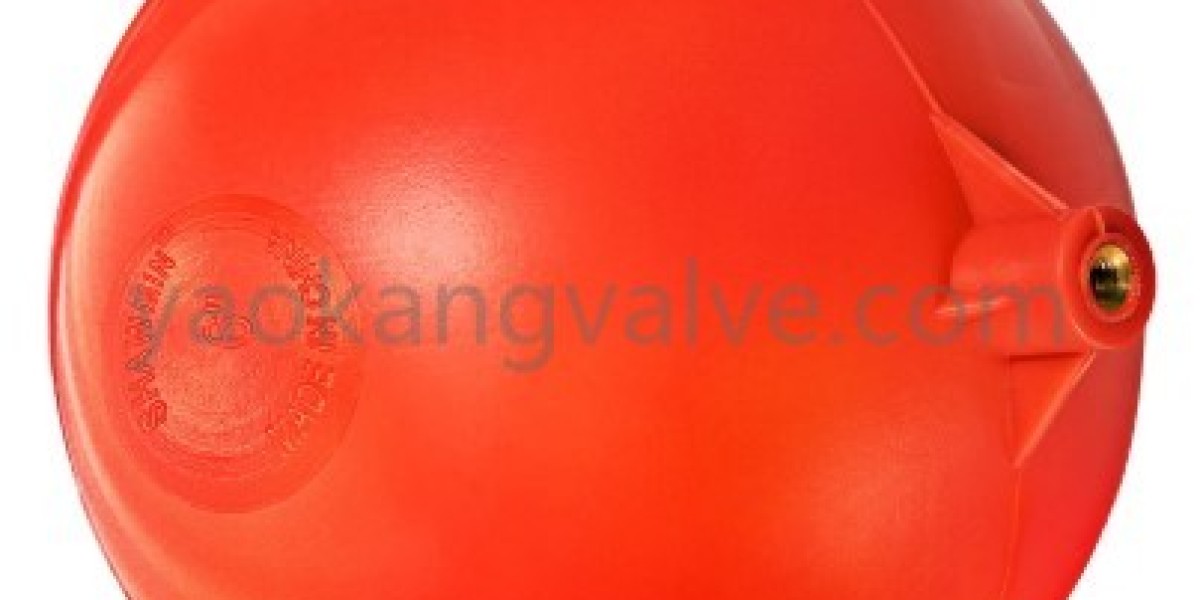

For fluid control equipment exposed to moisture or demanding operating environments, Stainless Steel Float Ball components can provide a practical combination of buoyancy, structural strength, and corrosion resistance. These components are commonly integrated with valve mechanisms that respond mechanically to changing liquid levels. Their performance depends not only on the stainless material itself but also on forming accuracy, joining quality, surface condition, and compatibility with the complete valve assembly.
Stainless steel is often selected for fluid control components because its properties can be suitable for environments where moisture and corrosion are important considerations. However, the specific stainless grade should be selected according to the actual application rather than assumed to be suitable for every operating condition. Factors such as the fluid composition, temperature, cleaning method, exposure environment, and mechanical requirements can all influence material selection.
The operating principle is based on buoyancy. When the liquid level rises, the float moves upward and can transfer movement to a connected lever, stem, or valve mechanism. The resulting movement may restrict or stop liquid flow. As the liquid level falls, the component moves downward and allows the mechanism to return. This repeated response creates a simple mechanical method of managing liquid levels without requiring continuous electrical control.
Structural design is important because the float must remain sufficiently buoyant while maintaining its shape during normal operation. Stainless steel has a higher density than many lightweight materials, so the overall construction and displacement must be considered carefully. Hollow construction, wall formation, dimensions, and internal volume can influence the relationship between the component's weight and its buoyant force. A balanced design can help provide predictable movement within the intended liquid environment.
Manufacturing processes can significantly affect the consistency of metal float components. Depending on the design, production may involve sheet forming, deep drawing, welding, machining, polishing, or other controlled processes. Forming accuracy helps maintain the intended geometry, while joining processes need to provide suitable structural integrity. For hollow products, the quality of welded or joined areas is particularly important because unwanted leakage could alter the expected buoyancy characteristics.
Surface finishing is another consideration for stainless components. A controlled surface can improve visual consistency and help prepare the part for installation or further assembly. Depending on the application, manufacturers may use suitable polishing or finishing processes to achieve the required surface condition. The finishing method should be selected according to the material, production process, and intended environment rather than applied as an isolated cosmetic step.
Dimensional compatibility is equally important. The float usually works with a lever, stem, valve seat, or other mechanical structure, meaning that its connection and movement must correspond with the rest of the assembly. If the connection point is unsuitable or the movement range does not match the valve mechanism, the complete system may not operate as intended. For replacement applications, checking the existing assembly before selecting a component can help avoid compatibility problems.
Environmental conditions should also guide product selection. Water systems, industrial processing equipment, storage tanks, and other fluid applications can have different operating requirements. Exposure to chemicals, temperature variation, vibration, repeated movement, and cleaning procedures may influence the material and structural design. Stainless construction can be advantageous in many moisture-related environments, but the actual service conditions should always be reviewed before finalizing the component.
Quality control provides another layer of reliability during production. Manufacturers can inspect dimensions, forming consistency, surface condition, weld areas, connection points, and overall appearance. Functional checks may also be used when the application requires verification of movement or buoyancy behavior. Consistent inspection helps reduce variation and supports more predictable assembly when components are supplied in repeated production quantities.
For equipment manufacturers and distributors, selecting the right component involves more than choosing a corrosion-resistant material. The float's geometry, manufacturing process, connection structure, operating liquid, and valve design should all be evaluated together. A well-matched Stainless Steel Float Ball can contribute to a practical mechanical level-control solution when its construction is aligned with the surrounding equipment. Product information and related valve component solutions are available at https://www.yaokangvalve.com/product/ for further application reference.