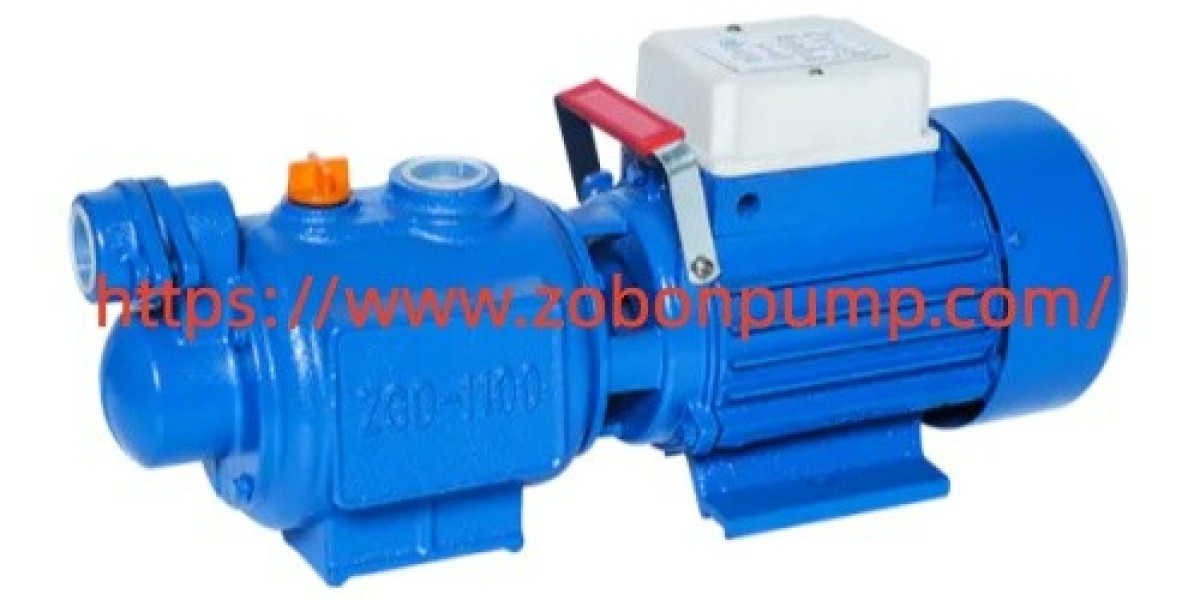

Water Pumps selection can affect how efficiently a facility handles transfer, circulation, drainage, irrigation, or other fluid movement tasks. Buyers should not rely only on price, motor capacity, or product appearance when making a purchasing decision. Flow requirements, pressure conditions, fluid characteristics, installation arrangements, power supply, operating frequency, materials, and maintenance needs should all be considered before confirming a configuration.
The starting point should be the application itself. A system used for agricultural irrigation may have different requirements from one supporting industrial circulation, drainage, construction activities, or general water transfer. Buyers should identify the purpose, expected operating hours, required output, and surrounding conditions. Providing these details to a manufacturer can make the technical discussion more specific and reduce uncertainty during the quotation process.
Flow rate is one of the key figures buyers should establish. It indicates how much liquid needs to move within a certain period. However, flow should not be considered independently. Pipe length, elevation, bends, valves, filters, fittings, and discharge arrangements can create resistance within a system. Reviewing the complete layout gives manufacturers a clearer basis for discussing an appropriate configuration.
Pressure and head requirements also deserve attention. The equipment needs to provide sufficient force to move liquid through the intended route while meeting the requirements at the discharge point. A buyer should therefore provide information about vertical distance, pipe arrangement, outlet conditions, and any equipment connected to the system. These details can be useful when checking performance information and comparing different proposals.
The characteristics of the liquid can influence component selection as well. Temperature, viscosity, suspended particles, chemical content, and cleanliness may affect seals, internal surfaces, housing materials, and other components. For standard water handling, common materials may be appropriate, while specific environments can require alternative construction options. Buyers should provide accurate information about the medium so the manufacturer can consider compatibility during configuration.
Power requirements should also be confirmed before an order is placed. Depending on the application, buyers may need to check voltage, frequency, phase, motor capacity, control arrangements, and electrical protection. Locations with limited electrical access may require a different arrangement from facilities with fixed power infrastructure. Confirming these points early can prevent compatibility problems during installation.
Physical installation conditions are another practical consideration. Available space, foundation arrangements, inlet and outlet positions, pipe dimensions, connection types, and access for inspection can all influence the final configuration. Buyers can provide installation drawings or measurements when available. This information allows technical teams to assess how the selected equipment can integrate into the existing layout.
Maintenance should be part of the purchasing discussion rather than an afterthought. Buyers can ask about inspection points, seals, bearings, filters, lubrication, replacement parts, and service intervals. For equipment operating frequently, energy consumption and maintenance costs can also influence the long term ownership picture. A configuration that is convenient to inspect and service may help maintenance teams organize routine work more efficiently.
Another useful step is to compare manufacturer proposals according to equivalent specifications. Procurement teams can request performance curves, dimensional drawings, motor information, connection details, material specifications, packing information, and spare component options. Comparing these details side by side can provide a clearer understanding of what is included in each quotation and help avoid confusion caused by different configurations.
Caifu works with B2B buyers by discussing application conditions, technical requirements, and configuration details for different fluid handling projects. Clear communication allows both sides to focus on practical requirements rather than relying on general assumptions. This approach can be useful for buyers sourcing equipment for irrigation, circulation, drainage, construction, and other water handling applications.
When planning a new installation or replacing existing equipment, buyers can benefit from preparing a complete requirement sheet before requesting quotations. Including flow, pressure, liquid properties, power supply, installation conditions, operating schedule, and maintenance expectations gives manufacturers a useful technical foundation. Buyers reviewing available configurations can visit https://www.zobonpump.com/product/ and connect the product information with their specific project requirements as they continue the sourcing process.







