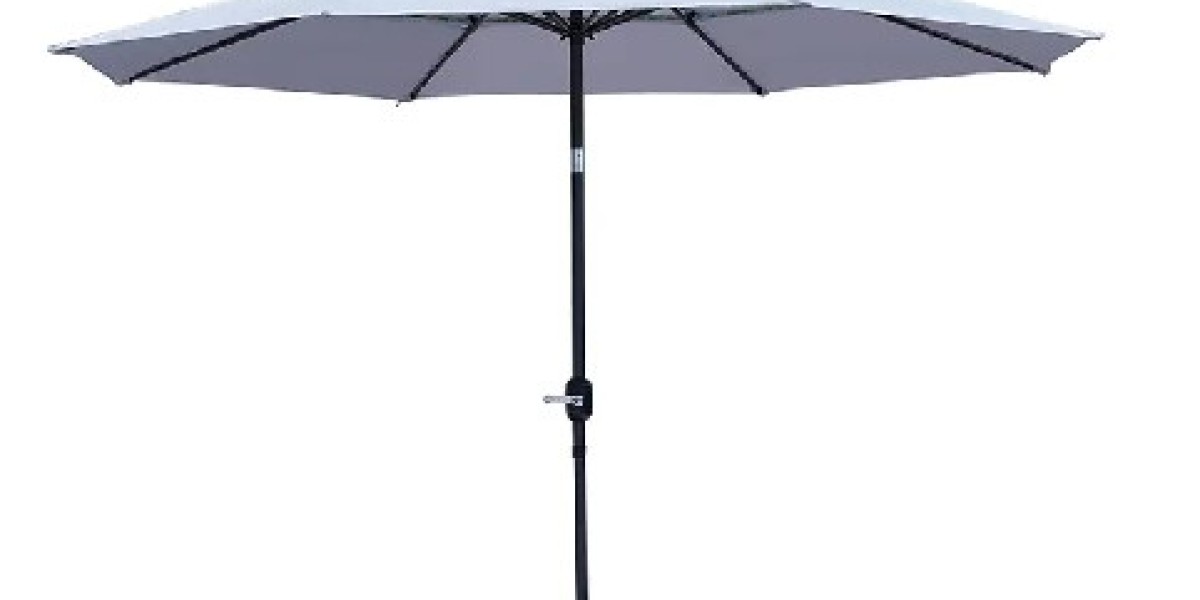

Patios provide valuable spaces for outdoor dining, relaxation, social activities, and hospitality services. Because these areas are regularly exposed to sunlight, shade structures can make the space more practical for different activities. Patio Shade Umbrellas can provide flexible coverage while allowing furniture and seating arrangements to remain relatively open. Their suitability depends on canopy size, construction, materials, support, operation, and the specific characteristics of the patio.
The first step in selecting an umbrella is understanding the layout of the area. A small residential patio may need one compact umbrella positioned above a table, while a restaurant terrace may require several units to cover different seating zones. Buyers should consider the dimensions of tables and chairs as well as the location of walkways, entrances, walls, plants, and other fixed elements.
Canopy shape can affect how effectively the available space is covered. Round umbrellas are often suitable for individual tables and compact seating areas, while square or rectangular canopies may work well with larger furniture arrangements. The selected shape should correspond with the layout of the patio rather than being chosen only for visual reasons.
Fabric selection is another important consideration. Outdoor canopy fabrics can have different weights, textures, colors, and constructions. Buyers should evaluate the intended application and environmental conditions when choosing a suitable material. Cleaning requirements should also be considered because patio umbrellas can collect dust, pollen, leaves, and other outdoor debris during regular use.
The frame supports the canopy and contributes to the overall appearance of the umbrella. Aluminum can be useful where lower weight and corrosion resistance are desired, while steel can provide a heavier structural option for certain applications. Frame finishes can also be coordinated with outdoor furniture and architectural elements. The complete frame should be evaluated according to the size and design of the canopy.
The base is an essential component because it helps support the umbrella in its intended position. Different patio surfaces and umbrella configurations may require different base arrangements. Freestanding bases can offer flexibility for some residential and commercial applications, while fixed support solutions may be suitable for areas where umbrellas remain in designated positions. Installation should follow the manufacturer's recommendations.
Operating mechanisms can affect how convenient the umbrella is to use. A simple push-opening system may be suitable for occasional residential use, while crank mechanisms can make certain larger umbrellas easier to operate. Some designs may also include tilting functions that allow the canopy to be adjusted as the position of the sun changes. Buyers should consider expected operating frequency when selecting the mechanism.
Commercial patios can have different requirements from private outdoor spaces. Restaurant and hotel umbrellas may be opened and closed repeatedly throughout the day, so operating convenience and structural construction can be particularly relevant. Consistent canopy colors and frame finishes may also be desirable when several units are used across one terrace or property.
Environmental conditions should be considered before installation. Patio umbrellas can encounter sunlight, moisture, wind, dust, and changing temperatures. Users should operate the umbrella according to its intended conditions and close or store it when appropriate. Regular inspection of the fabric, frame, joints, fasteners, and operating components can help identify maintenance needs.
For buyers sourcing Patio Shade Umbrellas, customization can provide additional options for projects with specific dimensions or design requirements. Depending on the manufacturer, customization may involve canopy size, fabric color, frame finish, operating mechanism, and base configuration. Providing detailed information about the patio layout and expected use can help determine a suitable product configuration.
Wholesale and project buyers should also consider manufacturing consistency when comparing suppliers. Multiple umbrellas used within the same outdoor area may need matching specifications to maintain a coordinated appearance. Material consistency, production capability, packaging, quality inspection, and communication can all be relevant during the sourcing process.
A suitable patio umbrella should provide practical shade without interfering with the way the outdoor area is used. Canopy coverage, fabric, frame construction, base support, operation, maintenance, and appearance should be considered together. By matching these factors with the actual requirements of the space, buyers can create functional patio environments for homes, restaurants, hotels, and other outdoor applications. More information about outdoor umbrella solutions is available at https://www.parasol-ht.com/.







