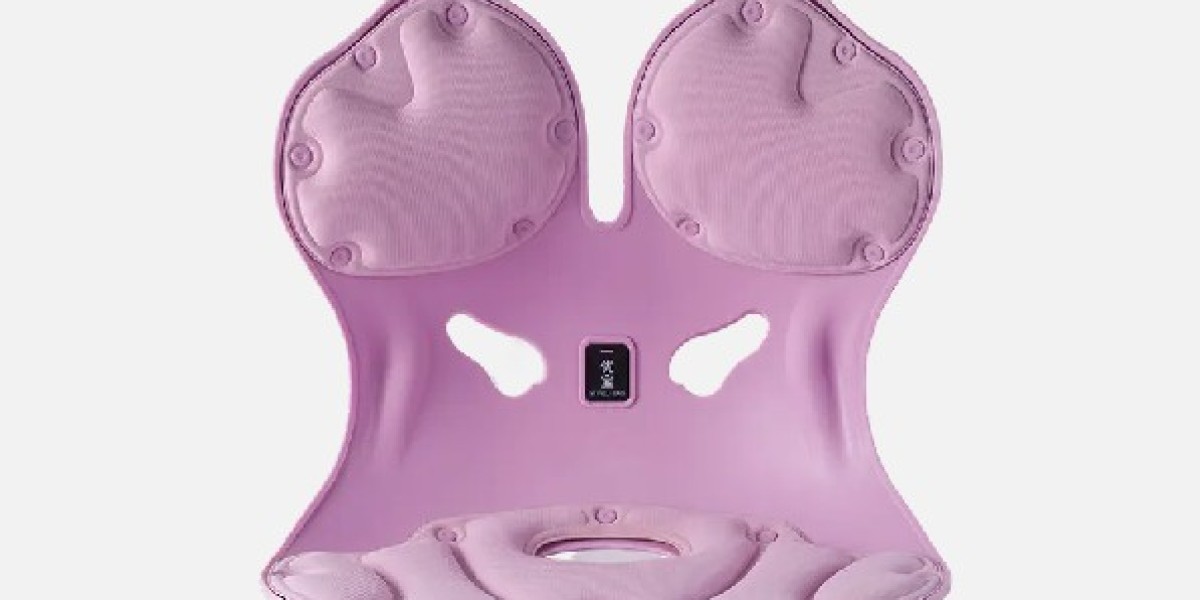

A Lumbar Support Posture Corrector Chair combines ergonomic seating with design features intended to encourage greater awareness of sitting position. Rather than forcing every user into one fixed posture, a practical chair should provide supportive contact while allowing normal movement. Its effectiveness depends on the relationship between the seat, backrest, materials, adjustment features, and manufacturing quality.
Material selection is a fundamental part of chair development. Foam can provide cushioning while responding to pressure from the user's body, but its resilience and recovery characteristics determine how it behaves during repeated use. Different foam structures create different seating experiences, so manufacturers need to consider the intended application when choosing materials. A chair for extended office use may require a different balance of softness and support from a product intended for occasional home use.
The outer surface also affects comfort. Fabric and other covering materials can influence breathability, tactile feel, durability, and maintenance. Breathable surfaces may be useful during extended sitting, while durable textiles can better withstand repeated movement. For shared workplaces and commercial environments, easy-care materials may also be valuable because regular cleaning can be part of normal product maintenance.
Ergonomic shaping should support the body without creating unnecessary restrictions. A curved backrest can create a more suitable contact area for the lower back, while the seat can be designed to distribute pressure comfortably. The relationship between these two areas is important because users interact with the chair as a complete seating system rather than as separate components.
Posture awareness is different from rigid posture control. People naturally change their position while sitting, particularly during long work sessions. A supportive chair should accommodate these changes instead of preventing them. Carefully shaped surfaces, flexible materials, and suitable adjustment functions can help users find a comfortable position while remaining free to move. This approach places greater emphasis on practical usability than on maintaining one fixed body position.
Adjustment features can further improve flexibility. Depending on the design, users may be able to modify the backrest position, support relationship, or other seating elements. These functions should be easy to understand and operate. If adjustment requires unnecessary effort, users may be less likely to use the available features. Simple controls can make the chair more adaptable to different users and working situations.
Manufacturing technology plays an important role in maintaining consistency. Production may involve foam shaping, material cutting, molding, sewing, assembly, and final inspection. Each stage needs suitable process control to ensure that the finished chair maintains the intended structure. Inconsistent material placement or inaccurate assembly can affect both appearance and comfort, especially when the same product is produced repeatedly.
Quality control should therefore cover materials, components, and finished products. Manufacturers can inspect foam consistency, fabric condition, seam quality, fastening points, and structural assembly. Functional checks can also evaluate whether adjustable components operate smoothly and whether support elements remain stable during ordinary use. Consistent inspection supports repeatable production and helps reduce variation between batches.
Safety should remain part of the product development process. The chair should remain stable during ordinary sitting and movement, while structural components should be securely connected. Edges, seams, and connection points should be appropriately finished. Materials should also be suitable for the intended application. Supportive seating should improve the interaction between the user and the chair without introducing unnecessary pressure or unstable elements.
Customization can help manufacturers address different market requirements. B2B buyers may request different fabrics, colors, support structures, adjustment methods, packaging formats, or branding treatments. Flexible production can make these adaptations possible while maintaining control over the core construction. Sampling is especially useful because it allows manufacturers and buyers to evaluate design changes before larger production begins.
Durability is closely connected with material and manufacturing quality. Strong seams, stable structural components, and resilient materials can help the chair withstand repeated use. Efficient production methods can also reduce material waste, while thoughtful packaging can protect products during transportation. These considerations can contribute to a more practical product lifecycle for both manufacturers and buyers.
When evaluating a Lumbar Support Posture Corrector Chair, buyers should consider ergonomic structure, material behavior, adjustment functions, manufacturing consistency, safety, durability, and customization rather than relying on a single feature. Yongkang Yiyoubao Technology Co. Ltd. develops seating support products for different application requirements, with further information available at https://www.yiyoubaotechnology.com/product/lumbar-supports-seat-cushions/.