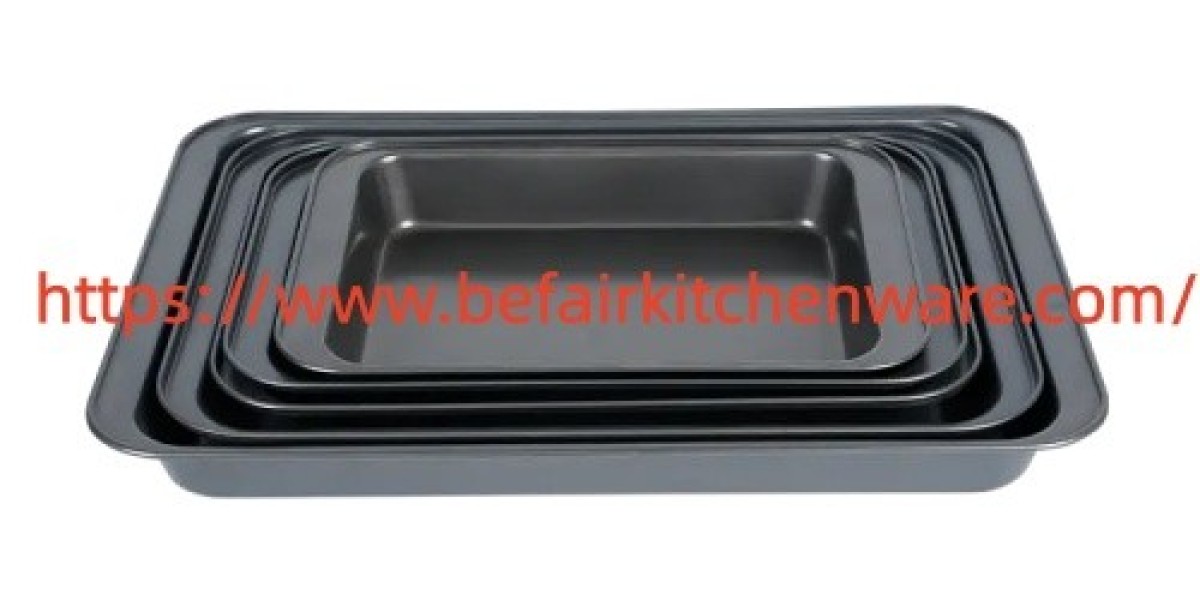

Carbon Steel Bakeware can affect how heat moves through a baking vessel, how products respond during repeated batches, and how a production team organizes its daily workflow. For commercial bakeries, food processors, restaurants, and catering operations, the choice of material is connected not only with baking performance but also with handling, maintenance, storage, and purchasing plans. Looking at these factors together can make equipment selection more practical.
One important consideration is heat response. Carbon steel is commonly selected for baking applications because its metal structure allows heat to transfer through the vessel during use. The thickness and construction can influence how quickly the surface responds to temperature changes. For buyers, this means specifications should be considered alongside the type of food being produced. Thin constructions may suit applications where quicker temperature response is useful, while heavier designs may be considered for repeated commercial use where durability and handling characteristics are important.
Product dimensions also have a direct relationship with production planning. A bakery producing standard portions may need consistent tray sizes that fit existing ovens, racks, and storage areas. When several batches are prepared throughout the day, compatible dimensions can help staff organize loading and unloading routines. Buyers should therefore check measurements carefully rather than considering the baking vessel separately from the wider production system.
Surface treatment is another factor worth reviewing. Depending on the intended application, a suitable surface can influence cleaning routines, food release, and long term maintenance requirements. Different finishes may be designed for different working conditions, so purchasing teams should ask about coating specifications, care instructions, and expected usage. These details can be especially useful when equipment will be handled frequently or cleaned between production cycles.
Handling should receive attention as well. Commercial kitchens often move trays between preparation areas, ovens, cooling racks, and storage locations. Weight, edge construction, grip options, and overall shape can influence how comfortably employees work with the equipment. A design that fits the existing workflow may help reduce unnecessary movement and make daily operations easier to organize.
Production planning also involves replacement and inventory management. Businesses that use several sizes or formats should consider whether the selected product range can support their current applications and future needs. Consistent specifications across different orders can simplify purchasing records and storage arrangements. For manufacturers and suppliers, customization may also be useful when buyers require particular dimensions, shapes, thicknesses, or surface treatments for specific production lines.
Another useful step is to evaluate the equipment according to the actual baking environment. Temperature ranges, oven type, batch frequency, cleaning methods, storage conditions, and food categories can all affect purchasing decisions. Instead of choosing solely by appearance or price, buyers can create a specification checklist that reflects how the equipment will be used every day. This approach can make comparisons between different suppliers clearer.
For businesses purchasing in larger quantities, communication with the manufacturer can also influence the overall sourcing experience. Clear product drawings, dimensional information, material specifications, packaging details, and production schedules can help both sides coordinate more effectively. Befair works with practical kitchenware requirements and can provide product options suited to different commercial applications, allowing buyers to discuss specifications based on their actual operating conditions.
When baking equipment becomes part of a repeated production process, small design details can have an effect on preparation routines, oven loading, cleaning, storage, and purchasing management. A thoughtful selection process considers the complete workflow rather than focusing on one specification alone. Buyers looking for suitable manufacturing support can review Befair product information and related kitchenware solutions at https://www.befairkitchenware.com/ and assess which options align with their production requirements.