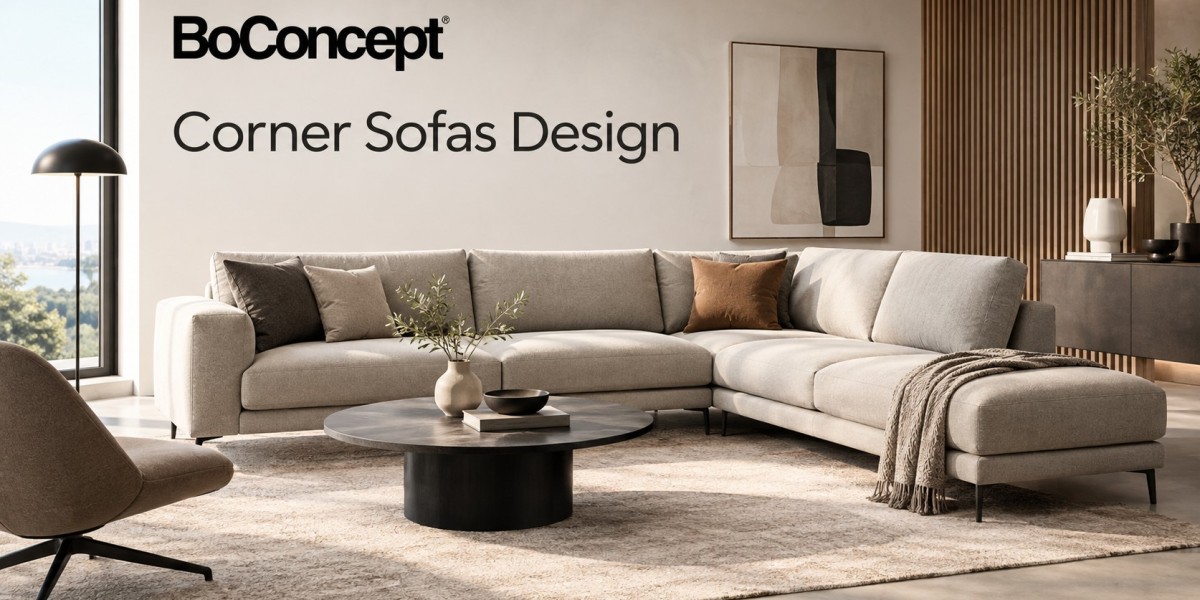

Corner sofas design has quietly become one of the most talked-about shifts in Indian home interiors over the past few years. As apartments get smaller and open-plan living becomes the norm, homeowners are rethinking how furniture fits into their daily lives — not just how it looks in a showroom. This is exactly where corner sofas step in, offering a practical answer to a very real problem: how do you make a compact or oddly shaped living room feel spacious, inviting, and functional at the same time?
Unlike traditional straight sofas that often leave awkward gaps or force rooms into rigid seating arrangements, an L-shaped or corner configuration wraps naturally around the available space. It tucks into unused corners, creates a cosy conversation zone, and still leaves enough floor area for movement, a coffee table, or even a small home office nook. For Indian households where multi-purpose living rooms are common — doubling as a family lounge, guest area, and sometimes a workspace — this flexibility matters more than it might seem at first glance.
What's interesting is how much the design language around corner seating has evolved. It's no longer just about maximising space; it's about doing so with intention. Clean silhouettes, tailored cushioning, and thoughtful proportions are replacing the bulky, overstuffed sectionals that once dominated the category. Scandinavian-influenced design, in particular, has had a noticeable impact here — favouring understated elegance, quality upholstery, and modular pieces that can adapt as a family's needs change over time. Brands like BoConcept have played a meaningful role in shaping this shift, showing that corner sofas can feel refined rather than purely utilitarian.
Material choice is another area where things have moved forward. Fabric options now range from durable performance weaves that resist daily wear to soft-touch textiles that add warmth to a room. Leather and leather-look finishes remain popular for a more formal, sophisticated look, especially in homes that lean toward a contemporary aesthetic. Colour palettes have also matured — neutral tones, muted greys, and earthy shades are increasingly preferred over overly bright upholstery, simply because they age better and blend more easily with changing décor trends.
Modularity deserves a special mention too. Many modern corner sofa systems allow the chaise or ottoman section to be repositioned, meaning the same piece can be reconfigured if you move homes or simply want to refresh your layout. This kind of long-term adaptability is something Indian buyers are increasingly asking about, since furniture is often a multi-year, sometimes multi-decade, investment rather than a quick replacement.
Comfort, naturally, remains non-negotiable. Seat depth, cushion firmness, and back support all play into whether a sofa actually gets used the way it's intended — as a place to relax, host guests, or spend a lazy Sunday afternoon. It's worth spending time on these details rather than choosing purely on visual appeal.
For anyone currently exploring options, it helps to look at how established design houses approach corner sofa layouts, materials, and finishing details before finalising a choice for your own space. Paying attention to proportion, upholstery quality, and configuration flexibility will make the decision process far easier.
Ultimately, choosing the right corner sofas design isn't just a furniture decision — it's a reflection of how you actually want to live in your space, day to day.