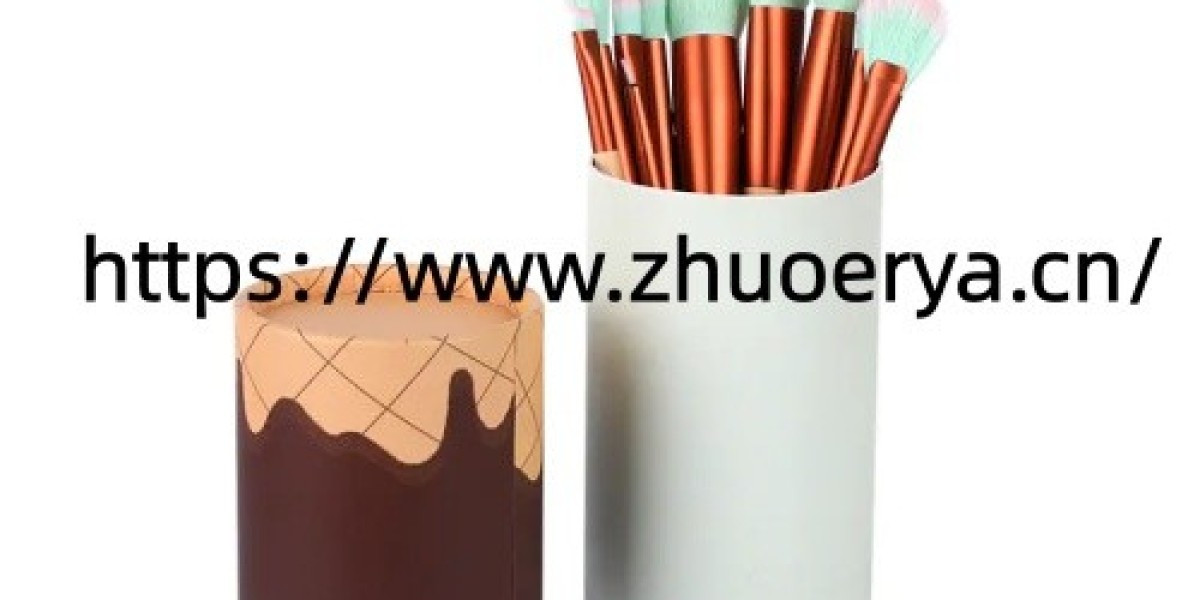

New Cosmetic Brush Factory selection can influence how efficiently a beauty product concept moves from an initial idea to a finished commercial item. Buyers often focus on appearance and pricing, yet the manufacturing process involves many additional details. Fiber structure, handle material, ferrule construction, assembly, customization, packaging, sampling, and inspection should all be discussed before production begins. A clear sourcing process can give purchasing teams a more practical framework for comparing potential suppliers.
The first area to examine is material selection. Different applications may require different fiber structures, densities, lengths, and flexibility. Synthetic fibers are widely used in cosmetic tools and can be developed with varied textures for powder, cream, or liquid formulas. Buyers should ask about available options and request physical samples rather than judging material suitability only through photographs or general descriptions.
Handle construction is another practical consideration. Dimensions, weight, surface treatment, grip, and color can influence the way an applicator feels during repeated use. For a branded collection, buyers may also need specific color references or surface finishes. Providing clear artwork and dimensional requirements can help reduce misunderstandings during sample development.
The ferrule deserves attention because it connects the fiber bundle with the handle. Buyers can ask about metal type, finish, attachment method, and inspection procedures. Consistent assembly can help maintain the intended shape and balance across a production batch. A physical sample provides an opportunity to check these details before a larger quantity is produced.
Product configuration should match the intended customer group. A daily beauty collection may require common face and eye shapes, while professional users may need more specialized options. Travel products can focus on compact dimensions, while retail collections may place greater attention on presentation. Defining the target application early can help manufacturers suggest a practical combination instead of adding unnecessary pieces.
Customization is also important for businesses developing their own beauty identity. Options may include handle colors, ferrule finishes, logo placement, fiber arrangements, product combinations, and packaging structures. Each adjustment can affect production conditions, so buyers should confirm available choices, minimum quantities, sample requirements, and any development considerations before approving a project.
Sampling should be treated as a key decision stage. Images can communicate color and overall appearance, but physical samples allow buyers to evaluate softness, density, dimensions, balance, assembly, finishing, and logo placement. An approved sample can also provide a useful reference for later production, particularly when several variations are involved.
Packaging is another part of the finished product. A collection may require a box, pouch, tray, sleeve, or another format depending on the sales channel. Buyers should confirm internal dimensions, protection requirements, printing details, labeling, and packing quantities. The packaging should protect the cosmetic tools during storage and transportation while also fitting the intended presentation.
Quality inspection should cover measurable details rather than relying only on general descriptions. Buyers can establish checks for fiber alignment, head dimensions, handle finishing, ferrule attachment, logo clarity, color consistency, packaging condition, and set contents. A documented checklist makes it easier for both parties to understand what should be reviewed before shipment.
Production communication is equally important. Buyers can prepare a product brief containing dimensions, materials, colors, artwork, packaging, quantity, sampling requirements, and inspection expectations. Clear documentation allows quotations to be compared more fairly because suppliers are working from the same information. It can also make future repeat orders easier when the original specifications are properly recorded.
Another point worth discussing is production scalability. A beauty business may begin with a smaller project and later add new shapes, colors, or packaging formats. Buyers can ask how existing specifications will be maintained when quantities or product variations change. Consistent material sourcing and repeatable production procedures can help maintain continuity across different orders.
Supplier communication should continue throughout development rather than stopping after the quotation stage. Buyers may need clarification during sampling, packaging preparation, artwork confirmation, and production inspection. A supplier that can provide clear updates and respond to technical questions can make the development process easier to coordinate.
For businesses preparing a new cosmetic accessory collection, it is useful to create a checklist covering materials, construction, customization, samples, packaging, order conditions, inspection, and delivery arrangements. Reviewing these areas before production can help buyers establish clearer expectations and reduce avoidable revisions.
A thoughtful sourcing process connects product requirements with practical manufacturing capabilities. Businesses researching cosmetic accessory options can visit https://www.zhuoerya.cn/product/ to review available product information and consider which configurations may fit their intended market, customer group, packaging plan, and sales channel.