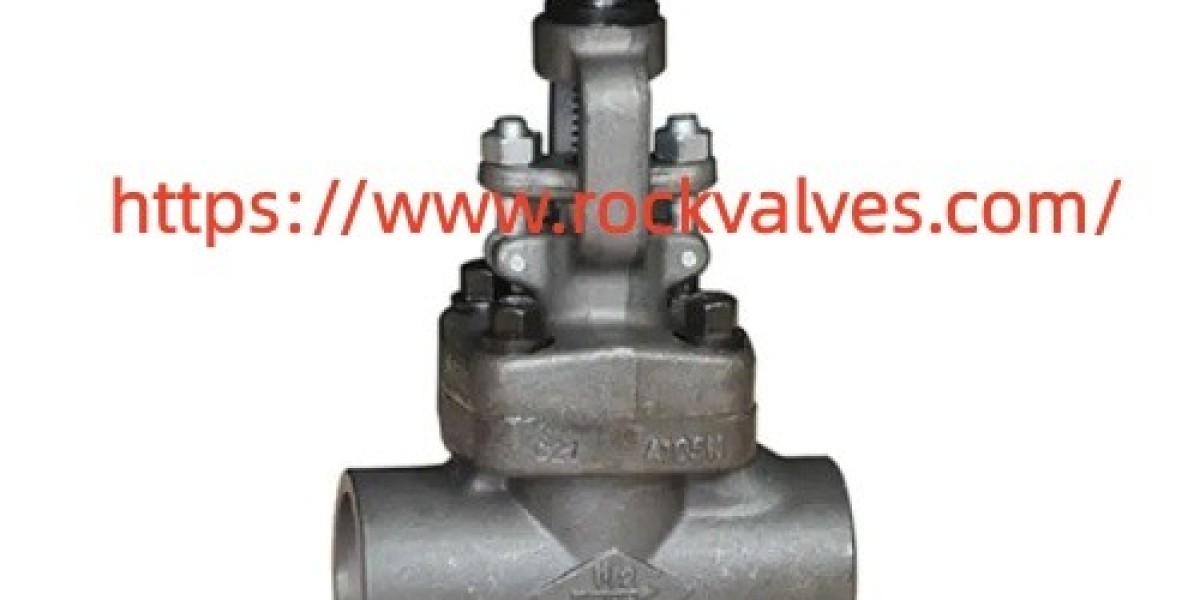

Sour Service Gate Valve selection should begin with a clear understanding of the operating environment. Buyers need to identify the process medium, H2S concentration or partial pressure, temperature, pressure range, water content, and other relevant environmental conditions before discussing materials or configuration. ISO 15156 provides requirements and recommendations for selecting and qualifying metallic materials for equipment used in H2S containing oil and gas production environments, including consideration of several cracking mechanisms.
Material selection is one of the key points for buyers to review. H2S containing environments can contribute to sulfide stress cracking, hydrogen induced cracking, stress corrosion cracking, and other forms of material damage under specific conditions. ISO 15156 addresses these mechanisms and provides guidance for material selection based on service conditions. This means a general material description may not provide enough information for a technical purchasing decision.
Buyers should therefore request clear information about the body, bonnet, stem, internal components, and other pressure containing or exposed parts. Material grade, heat treatment, hardness requirements, and applicable qualification information may need to be checked against the project specification. The exact requirements depend on the service environment, so the material should be evaluated together with temperature, pressure, H2S conditions, and other relevant factors.
Pressure and temperature requirements should also be established before selecting a configuration. Normal operating pressure may differ from design pressure, while startup, shutdown, and process fluctuations can introduce additional conditions. Buyers should provide the complete operating range so that the selected equipment can be reviewed against the intended service. Connection size, pressure class, end configuration, and dimensional requirements should also correspond with the surrounding piping.
Sealing components deserve attention as well. Packing, seats, gaskets, and other nonmetallic materials can have different limitations depending on the process medium and operating environment. Buyers should identify the fluid composition and expected temperature range when discussing sealing materials. This information can help the manufacturer review whether the proposed configuration matches the actual application instead of relying on a general product description.
Applicable standards should be identified early in the purchasing process. ANSI/NACE MR0175 and ISO 15156 are widely referenced for materials used in H2S containing oil and gas production environments. AMPP lists ANSI/NACE MR0175/ISO 15156 among its standards for oil and gas pipelines, refineries, and production applications. Buyers should confirm which edition, project specification, or additional requirements apply to their particular application.
It is also important to distinguish material selection from a general claim of suitability. ISO notes that materials covered by its requirements are not necessarily immune to cracking under every service condition. The equipment user remains responsible for ensuring that the selected materials are appropriate for the intended environment. This makes accurate project information an important part of communication between engineers, purchasing teams, and manufacturers.
Testing and inspection requirements should be discussed before production starts. Depending on the project, buyers may require material certificates, hardness records, pressure testing documentation, dimensional inspection reports, heat treatment records, or other quality documents. Some applications may also require specific testing related to H2S exposure or material resistance. ISO 15156 is complemented by test methods such as NACE TM0177 and TM0284 for relevant cracking evaluations.
Connection and installation details should not be overlooked. Buyers should confirm nominal size, end connection, face dimensions, installation orientation, available space, and actuator or handwheel requirements where applicable. Providing accurate drawings and piping information can reduce specification gaps and make it easier to verify dimensional compatibility before manufacturing begins.
Maintenance planning is another useful consideration. Equipment used in oil and gas facilities may require periodic inspection, packing adjustment, operational checks, or component replacement. Buyers should consider access around the installation point and the expected operating frequency during the design stage. A configuration that fits the piping layout should also allow practical access for planned maintenance activities.
For manufacturers and purchasing teams, a detailed specification sheet can make communication much easier. It should include the process medium, H2S conditions, operating and design pressure, temperature range, material requirements, connection details, applicable standards, testing expectations, and documentation requirements. Rockv can review these project parameters when discussing suitable configurations and manufacturing requirements with customers. Buyers can also visit https://www.rockvalves.com/product/ to review the available product range and connect product information with their specific piping project requirements.