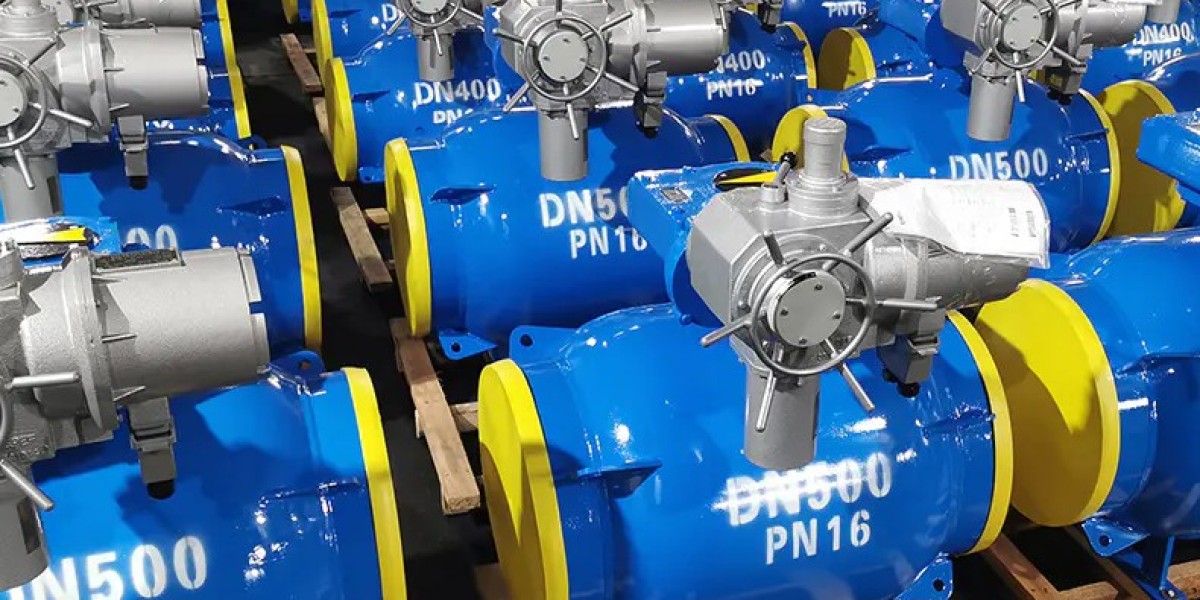

Low-temperature industrial systems require flow control equipment that can maintain mechanical integrity as temperatures change significantly during operation. Effective Cryogenic Ball Valve Design therefore requires more than adapting a conventional valve to a colder environment. Engineers must consider material behavior, thermal contraction, sealing performance, stem configuration, body construction, and installation conditions as an integrated system. These factors are particularly relevant in LNG facilities, gas processing plants, industrial refrigeration systems, and other installations where process media can operate at extremely low temperatures.
Material selection is a fundamental part of low-temperature valve engineering. Some materials can experience changes in toughness or dimensional behavior when exposed to severe cold, making material compatibility an important consideration during design. Stainless steels and other materials suitable for low-temperature service may be selected according to the process conditions and applicable engineering requirements. Internal components should also be evaluated because the performance of the body material alone does not determine how the complete valve will behave under cold operating conditions.
Thermal contraction deserves particular attention. When a valve moves from ambient conditions toward a cryogenic operating temperature, different components can contract at different rates. Dimensional changes may influence the interaction between the ball, seats, stem, and body. Engineering calculations and controlled manufacturing tolerances can help accommodate these changes. The objective is to maintain appropriate mechanical relationships while avoiding excessive contact forces that could affect operation.
The sealing system is another critical consideration. Valve seats need to maintain effective closure while accommodating temperature-related dimensional changes. Seat materials should be selected according to the expected temperature range, fluid characteristics, pressure conditions, and operating cycles. Stem sealing also requires careful engineering because the stem passes between the internal valve environment and the external atmosphere. Appropriate stem extension and sealing arrangements can help separate the operating mechanism from extremely cold process areas when required by the installation.
Body construction can influence both safety and maintainability. Depending on the application, the valve may incorporate a configuration designed to manage heat transfer between the cold process medium and the actuator or operating mechanism. Extended stem arrangements can provide additional space between the cold valve body and external operating components. This can be particularly useful where valves must be operated manually or connected to pneumatic, electric, or hydraulic actuators.
Manufacturing accuracy becomes especially important when components must function under large temperature changes. Ball surfaces, seat pockets, stem interfaces, and body connections require controlled dimensions and appropriate surface finishes. Precision machining helps maintain consistent component relationships during assembly. Inspection should verify critical dimensions before the valve is subjected to functional or pressure testing.
Testing procedures should reflect the intended service environment as closely as practical. Depending on the applicable specifications and project requirements, manufacturers may conduct pressure, leakage, operational, and material-related inspections. Functional checks can confirm that the ball rotates correctly and that the operating mechanism responds as intended. Documentation of inspection results can provide useful traceability for equipment supplied to complex industrial projects.
Application conditions also influence the final configuration. LNG facilities may require valves compatible with liquefied natural gas service, while gas separation, refrigeration, and specialty chemical processes may present different temperature and pressure combinations. Installation orientation, actuator selection, insulation requirements, accessibility, and maintenance planning should therefore be considered before finalizing the valve configuration.
Long-term service planning is equally important. Operators need to understand how the valve will be isolated, inspected, operated, and maintained within the complete pipeline system. Properly selected materials, suitable sealing arrangements, controlled manufacturing, and application-specific testing can contribute to predictable equipment behavior in demanding low-temperature environments.
For industrial projects, Cryogenic Ball Valve Design should be developed around the complete relationship between temperature, materials, sealing, mechanical movement, and system requirements rather than focusing on a single component. Manufacturers with appropriate engineering and production capabilities can coordinate these factors throughout machining, assembly, inspection, and testing. More industrial valve configurations can be reviewed at https://www.ncevalve.com/product/ when evaluating equipment for specialized low-temperature flow control systems.







