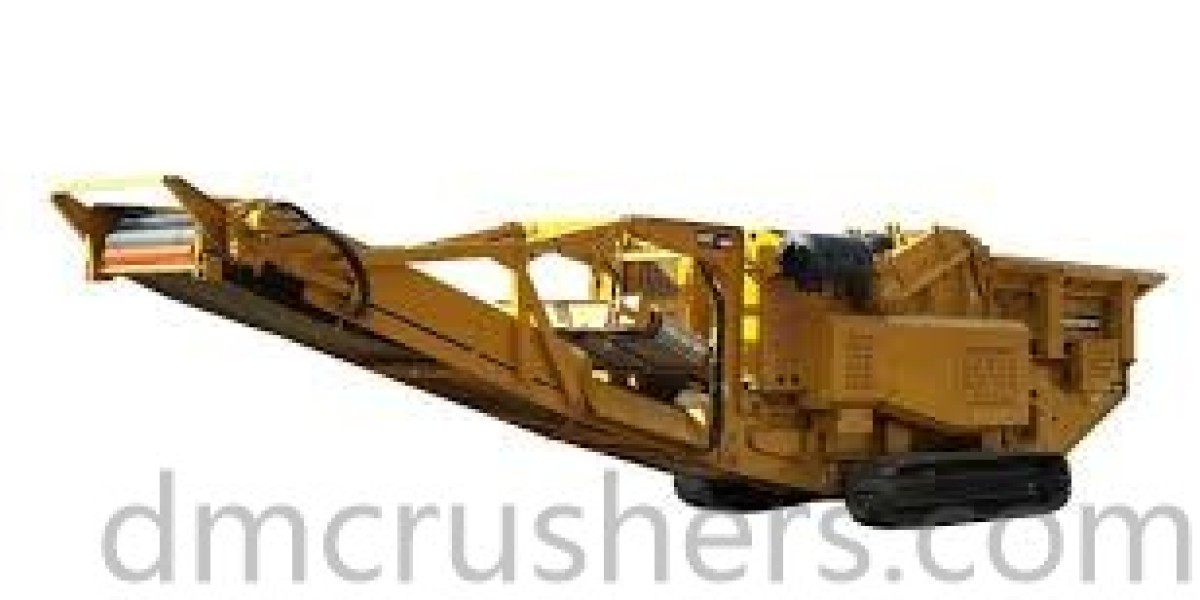

In quarrying, mining, construction, and recycling operations, a Crushing Plant is more than a collection of individual machines. It is an integrated material processing system in which feeding, reduction, screening, conveying, and stockpiling must work together to achieve a stable production flow. Effective system design begins with understanding the material being processed, the required product characteristics, the site environment, and the relationship between each stage. When these factors are considered together, equipment can operate with greater consistency while reducing unnecessary material handling and mechanical stress.
Material properties strongly influence the design of a processing system. Different rocks and recycled materials vary in hardness, abrasiveness, moisture content, density, and natural fracture behavior. These characteristics affect the selection and arrangement of reduction equipment as well as the expected wear of working components. Materials with high abrasiveness can require more frequent inspection of wear surfaces, while wet or sticky feed may create challenges for feeding and screening. A process designed around actual material behavior is generally easier to control than one based only on nominal production objectives.
The feeding stage establishes the foundation for downstream stability. A controlled and continuous feed can help maintain a more consistent load through the reduction process. Sudden surges, oversized material, or excessive fines may disturb the balance of the system and increase the possibility of blockages or uneven wear. Feeders and material handling components should therefore be coordinated with the characteristics of the incoming material. In recycling applications, preliminary sorting can also remove steel, wood, plastic, and other unwanted materials before they reach mechanical processing equipment.
The reduction stage must be matched to the desired product and the properties of the feed. Different mechanical principles produce different particle shapes and size distributions, so the equipment configuration should reflect the intended application. Primary reduction may focus on handling larger feed material, while later stages can refine the output for specific aggregate or construction requirements. Proper coordination between stages helps prevent unnecessary recirculation and can improve the overall use of energy within the process.
Screening and conveying are equally important. Even when the reduction equipment performs effectively, inefficient screening can cause unnecessary circulation of material or inconsistent product separation. Screens should be maintained to prevent damaged or blocked surfaces from affecting classification. Conveyors also require appropriate alignment, belt inspection, and protection against material accumulation. Stable material transfer reduces manual intervention and supports a more predictable production sequence.
Maintenance should be considered during system design rather than added after installation. Access to wear components, inspection points, lubrication areas, drive systems, and conveyor assemblies can influence the time required for routine service. Regular inspection can identify loose fasteners, abnormal vibration, damaged liners, belt problems, or lubrication issues before they develop into more serious failures. Maintenance records can further support preventive planning by revealing recurring wear patterns and service intervals.
Safety management requires attention to the complete process rather than individual machines alone. Moving belts, rotating components, falling material, stored energy, and maintenance access areas can all present hazards. Suitable guards, emergency stops, safe walkways, warning signs, and isolation procedures should be incorporated into the operating plan. Personnel should also understand how changes in feed material or process conditions can affect equipment behavior.
Environmental considerations increasingly influence material processing design. Dust suppression, controlled discharge points, noise management, water use, and efficient transportation can help reduce the environmental burden of quarrying and recycling activities. Resource utilization is another important factor. Recovering usable material from construction waste can reduce demand for newly extracted aggregates, while effective process control can limit unnecessary recirculation and energy consumption.
A well-engineered Crushing Plant brings these considerations together through coordinated equipment selection, controlled material flow, systematic maintenance, and appropriate safety procedures. Rather than evaluating each machine in isolation, operators and project planners can examine how the complete process responds to material characteristics and changing production requirements. Further equipment information and processing solutions can be explored at https://www.dmcrushers.com/product/stationary-crusher/ when evaluating suitable system configurations.