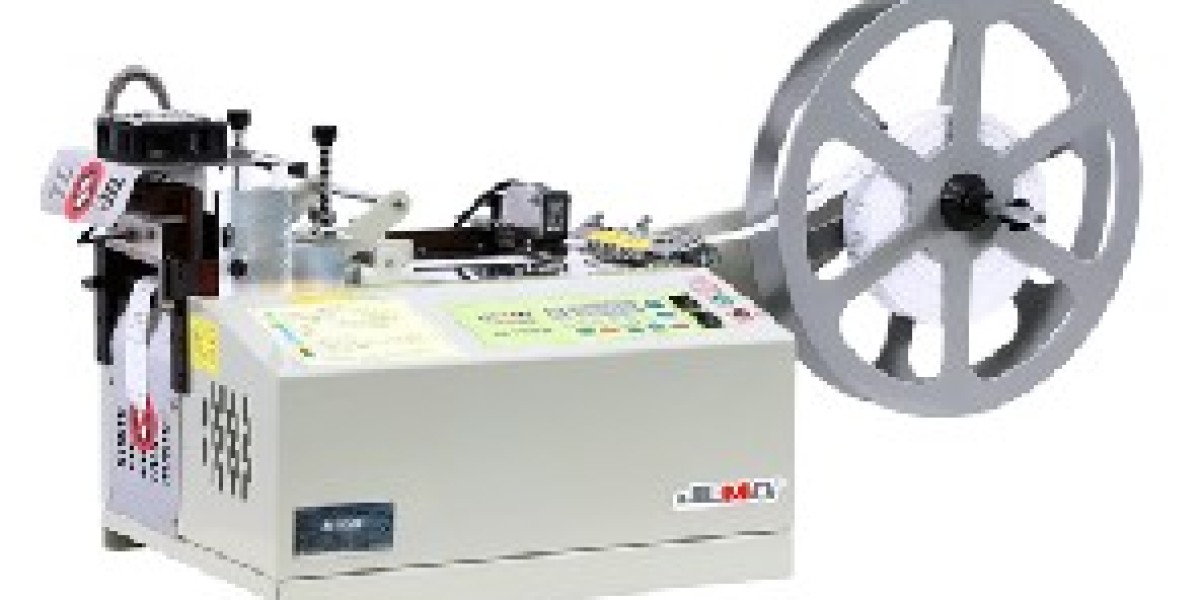

Zippers are among the most frequently used fastening components in modern apparel and accessories, appearing on jackets, trousers, sportswear, bags, uniforms, outdoor clothing, and travel products. Because these components must be prepared before sewing and assembly, a zipper cutting machine can play a practical role in organizing material processing. The equipment used at this stage can influence how smoothly zipper materials move into later manufacturing operations.
Zipper construction can involve woven tape, synthetic fibers, polymer components, metal elements, and other materials. These materials have different physical characteristics and may react differently to tension, pressure, movement, and cutting. Textile tape may shift when handled, while synthetic materials can have different surface properties. Understanding these characteristics is important when developing a processing workflow that supports both consistency and efficient material movement.
Automation can make repeated preparation more organized. In a manual environment, workers may need to measure, position, cut, separate, and collect zipper materials many times during a production cycle. Repetitive work can consume time and create differences between individual operations. Automated processing can establish a more structured sequence, helping manufacturers maintain greater consistency while allowing operators to focus on supervision and quality control.
Feeding is closely connected with processing performance. Narrow zipper materials can twist, overlap, or move if the material path is not properly controlled. A well-designed system can guide the material through the working area while coordinating feeding and cutting actions. This reduces unnecessary movement and creates a clearer connection between component preparation and subsequent sewing or assembly operations.
The importance of this preparation becomes particularly visible in finished garments. A zipper needs to align with fabric panels, seams, linings, and other components. If its preparation is inconsistent, sewing operators may need additional adjustments before assembly can be completed. More organized material processing can help downstream workers follow a smoother workflow and maintain consistency across repeated garment styles.
Zippers also influence how consumers interact with products. A jacket zipper should move naturally, while a bag zipper needs to support frequent opening and closing. Sportswear and outdoor clothing may require fastening components that function reliably during movement. These experiences depend on many factors, but consistent preparation and assembly provide an important foundation. Manufacturing technology therefore has a connection with everyday convenience that may not be immediately visible to consumers.
Different apparel categories also create different material requirements. Lightweight fashion garments may prioritize appearance and smooth integration, while workwear and outdoor products may use more robust components. Sportswear can combine flexible fabrics with fastening materials that need to accommodate movement. A versatile production workflow allows manufacturers to manage these differences while maintaining an organized approach to component preparation.
JEMA develops textile machinery with attention to the relationship between individual processing operations and broader factory workflows. Zipper preparation can connect with fabric cutting, sewing, inspection, finishing, and packaging. When material movement is coordinated across these stages, manufacturers can reduce unnecessary handling and create a more predictable production rhythm. Automation becomes more valuable when it contributes to the efficiency of the entire manufacturing process.
Flexibility is particularly important in fashion manufacturing because product collections and designs change frequently. A manufacturer may process several zipper styles, lengths, colors, and material combinations within the same production environment. Machinery that supports adaptable workflows can help companies respond to these changes without creating unnecessary interruptions. This can make production planning more practical as manufacturers handle different orders and product categories.
Sustainability is also becoming part of equipment selection and production planning. Controlled material preparation can help reduce avoidable waste caused by inaccurate processing, repeated adjustments, or unnecessary rework. Better workflow coordination may also support more efficient use of labor and production resources. While equipment alone cannot determine the sustainability of a factory, improved process control can contribute to more responsible manufacturing practices.
Operator usability remains an important consideration alongside automation. Workers still need to load materials, monitor equipment, manage production changes, inspect processed components, and maintain machinery. A practical operating environment can help employees interact with automated systems more effectively. Combining mechanical consistency with human supervision allows manufacturers to maintain both efficiency and flexibility.
As textile manufacturing continues to adopt automated processes, a zipper cutting machine can become part of a broader system for material preparation and garment assembly. Its value lies not only in processing zipper materials but also in supporting controlled feeding, repeatable operations, and smoother downstream production. Manufacturers evaluating textile automation can explore JEMA's equipment solutions at https://www.chinajema.com/product/ to consider suitable approaches for modern apparel component processing.







