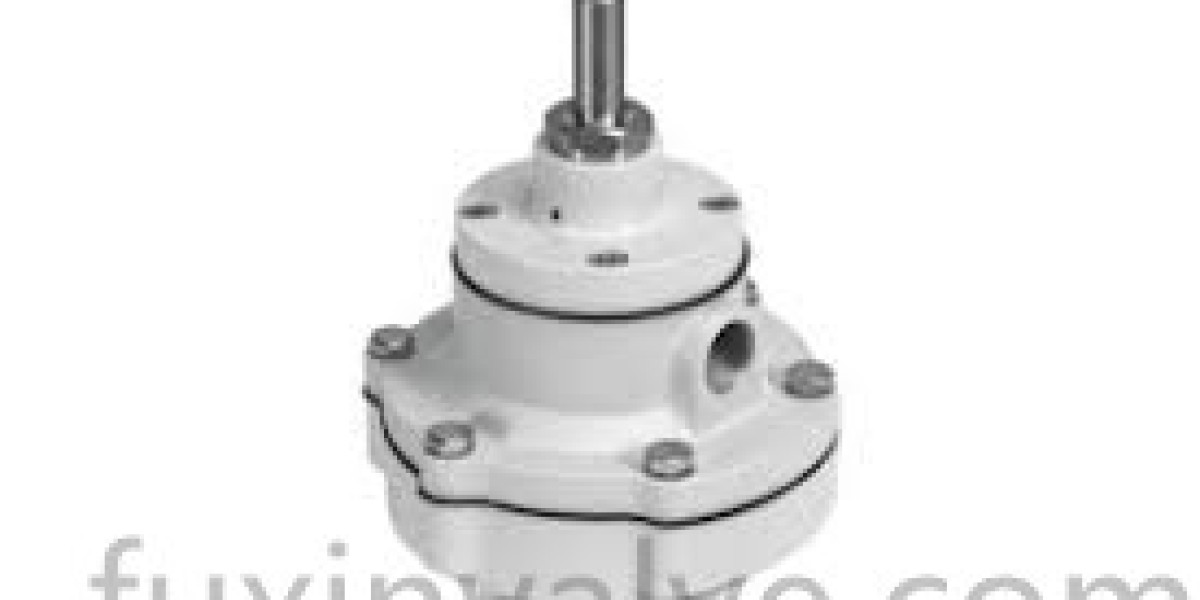

Electronic control systems frequently use short electrical signals to command mechanical components, making electromagnetic valve design an important part of automated fluid equipment. A Pulse Solenoid Valve responds to an electrical pulse by changing the position of its internal mechanism, allowing a controller to manage water flow through a defined sequence. Zhejiang Fuxin Electrical Technology Co., Ltd. considers electromagnetic response, material properties, sealing performance, precision processing, and assembly consistency when developing valves for water-control applications.
The coil is one of the primary components responsible for converting electrical energy into magnetic force. Copper winding, insulation, bobbin construction, and winding arrangement all influence the electromagnetic characteristics of the actuator. Consistent winding processes help maintain similar electrical properties across production batches. Proper insulation is also necessary to maintain electrical separation between turns and provide stable operation within the intended environment.
The magnetic circuit determines how effectively the generated field produces mechanical movement. Core and armature materials should provide appropriate magnetic properties, while their shapes and dimensions establish the magnetic path. The air gap between components can have a significant effect on magnetic force, so machining and assembly tolerances need to be controlled. Surface treatment may additionally be used on suitable metal components to address corrosion considerations.
Mechanical movement must remain smooth and repeatable. The armature or internal plunger typically travels along a guided path, and friction can influence its response. Controlled clearances allow the moving component to travel without excessive resistance while limiting unnecessary lateral movement. Precision machining of guide surfaces and careful assembly can help maintain this balance.
The valve's sealing structure converts actuator movement into fluid control. Depending on the design, a diaphragm, gasket, plunger, or other sealing element may interact with the valve seat. The contact surface needs to maintain appropriate pressure to close the passage while allowing reliable opening when the actuator changes state. Seal geometry and material properties therefore have a direct relationship with both leakage control and actuation behavior.
Water-facing materials should be chosen according to the actual application environment. Factors such as water exposure, temperature changes, pressure conditions, and repeated cycling can affect the long-term behavior of polymers and elastomers. Valve body materials also need sufficient dimensional stability and corrosion resistance for their intended use. Material compatibility should be considered alongside manufacturing methods because forming, machining, and assembly can influence the final geometry.
Internal hydraulic passages require similar attention. Inlet and outlet openings, orifices, channels, and valve seats determine how water travels through the component. A carefully designed passage can help maintain predictable flow while avoiding unnecessary restrictions. Since the valve operates as part of a larger plumbing system, engineers should consider the relationship between the valve and surrounding components rather than examining the internal passage alone.
The electronic controller and valve should be evaluated as an integrated system. Pulse characteristics, switching logic, connector design, and electrical insulation all influence the interaction between the control circuit and electromagnetic actuator. Consistent response is particularly relevant when the valve is connected to sensors or automated controllers that trigger water delivery according to programmed conditions.
Quality control can address these requirements at multiple manufacturing stages. Incoming materials may be inspected for conformity, while machining processes can be checked for critical dimensions. Coil assemblies can undergo electrical inspection, and mechanical components can be evaluated for movement and alignment. Finished valves may receive leakage, electrical, and functional tests to verify that the assembled unit performs according to its intended design.
For sanitary equipment and automated water systems, compact construction can also influence valve selection. The body, coil, electrical interface, and water connections may need to fit within a restricted installation area. Maintaining suitable internal geometry while controlling external dimensions requires coordination between product design and manufacturing engineering.
When selecting a Pulse Solenoid Valve, system designers can evaluate electromagnetic characteristics, sealing materials, internal hydraulic geometry, electrical compatibility, and manufacturing consistency together rather than focusing on a single component feature. Zhejiang Fuxin Electrical Technology Co., Ltd. integrates these considerations into its solenoid valve production for sanitary and water-control applications. Its related product solutions can be reviewed at https://www.fuxinvalve.com/product/sanitary-ware-solenoid-valves/.