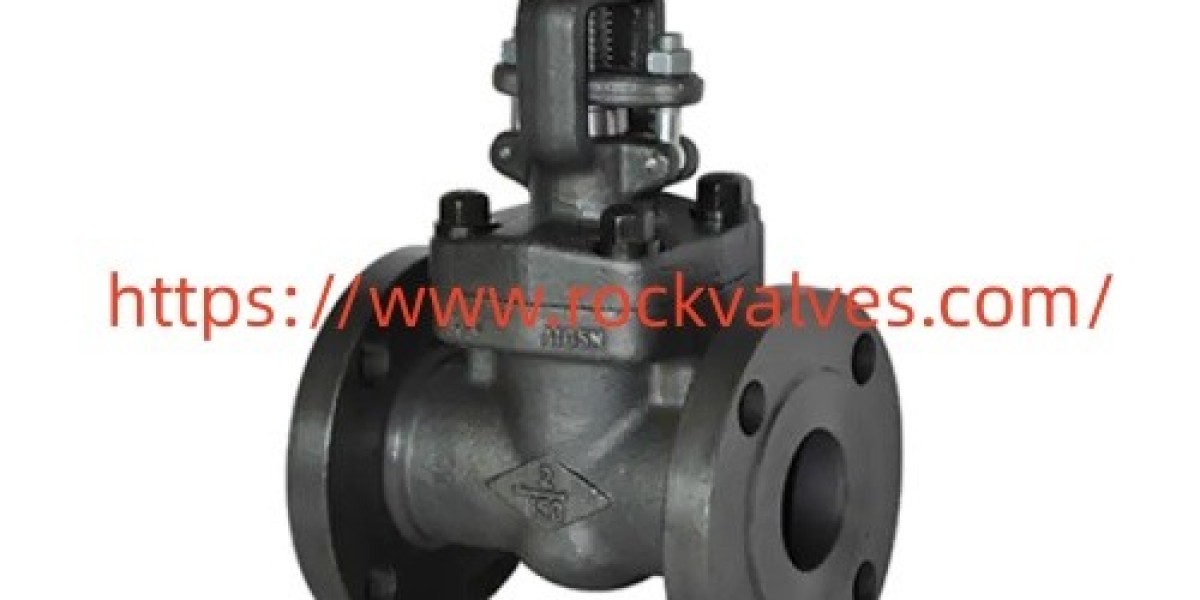

GB Standard Cast Steel Gate Valve units follow a pressure class system based on PN numbers while API counterparts use Class numbers derived from different calculation bases. The resulting wall thickness and flange thickness can differ even when nominal sizes appear similar. Flange outer diameters and bolt circle dimensions under the Chinese national flange code frequently measure smaller than those under the ASME flange code for the same nominal size. This dimensional gap means a direct swap between the two families is rarely possible without spool pieces or redesign of the connecting pipework.
Face to face lengths also diverge. The Chinese national length tables list both short and long series options that do not always match the ASME length tables. Project drawings prepared to one set of tables will produce interference or excessive gaps if the other family is later substituted. Sealing face finishes and raised face heights follow separate tolerance rules as well so gasket selection must be verified against the actual unit delivered.
Material identification practices differ in documentation. Bodies produced under the Chinese national code often carry grade marks tied to domestic casting specifications while API units reference ASTM designations. Both can deliver carbon bodies suitable for water steam and hydrocarbon duty yet the certificate language and heat treatment records follow the rules of their respective codes. Hardness and chemical composition limits remain controlled but the reporting format changes.
Pressure testing acceptance criteria rest on separate reference documents. One code family may specify different hold times or allowable leakage rates for the shell and seat tests. Buyers therefore need to state the exact test standard required on the order so that the manufacturer applies the correct procedure and issues matching certificates. Marking on the body and nameplate also follows distinct conventions for pressure rating size and code reference.
Rockv manufactures isolation units that can be produced to either code family according to the project specification. The company reviews the full set of dimensional tables pressure temperature ratings and test requirements before release of drawings so that the finished unit matches the intended piping class. Rockv supplies complete dimensional drawings and material certificates that allow site teams to confirm fit and compliance before installation begins.
When a project already contains mixed sources of supply the safest approach is to freeze the code family for each line class early and avoid later substitution. Clear statements of the required flange standard length standard test standard and material reference on the purchase order reduce clarification cycles and site delays. Temperature limits and media compatibility still need separate review regardless of the code family chosen.
Dimensional tables material certificates and current production ranges for both code families can be examined at https://www.rockvalves.com/product/ to assist detailed layout and procurement work.







