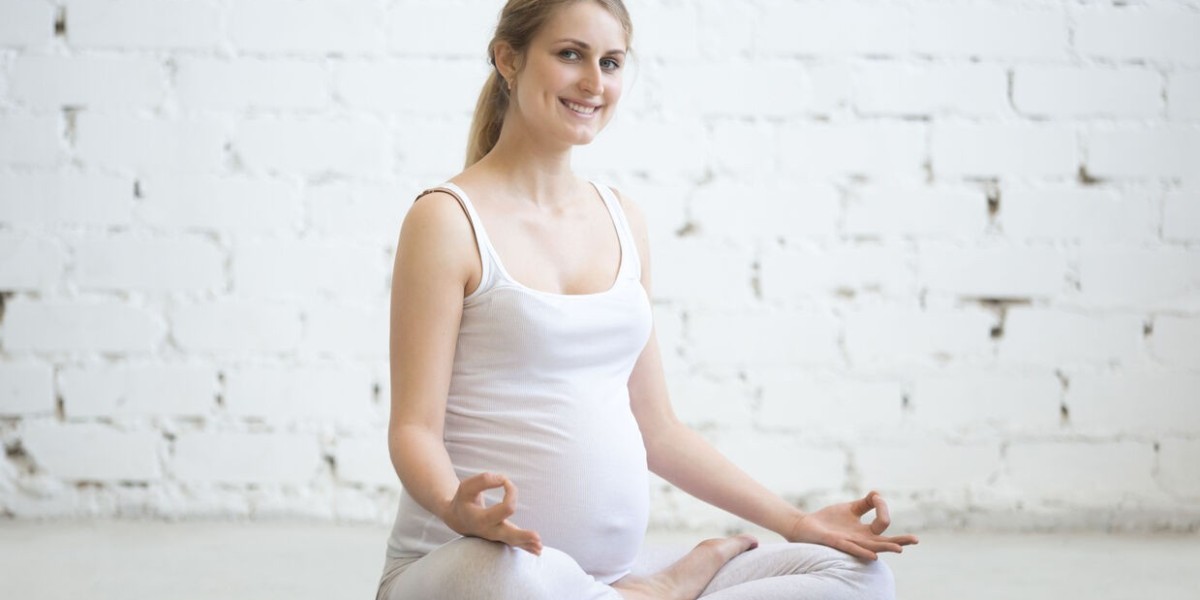

Trying to conceive can be an exciting but emotional journey. Along with tracking ovulation, making lifestyle changes, and taking care of your health, many women look for gentle ways to stay physically and mentally balanced. Fertility yoga is one practice that can become part of a healthy preconception routine.
But one common question is: What is the best time to practice fertility yoga when trying to conceive?
The good news is that there is no single “perfect” time for everyone. The best time is usually the time when you feel comfortable, relaxed, and can practice consistently. Morning, evening, or another convenient time can all work.
Is There a Best Time for Fertility Yoga?
There is no strong evidence that practicing fertility yoga at a particular time of day directly improves the chances of conception. Instead, yoga can be used as part of a broader wellness routine that supports relaxation, movement, body awareness, and stress management.
Your daily schedule, energy levels, sleep routine, and personal comfort should guide your practice.
For example, if you feel fresh in the morning, a gentle session after waking up may suit you. If your evenings are less hectic, practicing before dinner or later in the evening may feel more natural.
The most important thing is to choose a routine that you can maintain without adding stress to your day.
Fertility Yoga in the Morning
Morning can be a peaceful time for yoga, especially if your day tends to become busy later.
A gentle morning fertility yoga session can help you start the day with mindful movement and focused breathing. Some women also enjoy morning practice because there are fewer distractions.
You can begin with a few minutes of breathing, followed by gentle stretches and comfortable yoga poses. There is no need to make the session intense or lengthy.
A simple 15–30 minute routine may be enough for a relaxed start to the day.
If you practice in the morning, give yourself enough time to move slowly rather than rushing through the session before work or other responsibilities.
Fertility Yoga Classes in the Evening
For women who have busy mornings, evening can be an equally suitable option.
After a long day, gentle yoga may help you slow down and create some quiet personal time. Combining comfortable stretches with slow breathing can make your evening routine feel more relaxing.
If you choose evening practice, avoid turning it into a strenuous workout right before bedtime. Instead, focus on gentle movements, relaxation, and breathing.
This can be particularly useful if you find yourself thinking constantly about fertility, appointments, ovulation tracking, or other parts of your conception journey.
Should You Practice Fertility Yoga During Ovulation?
Many women wonder whether their yoga routine should change around ovulation.
There is no established rule that you must practice fertility yoga at a specific time during your menstrual cycle to improve conception. However, it can be sensible to listen to your body throughout the cycle.
During the days when you feel energetic, you may be comfortable with your usual gentle routine. On days when you feel tired, uncomfortable, or experience menstrual symptoms, you can reduce the duration or choose restorative movements instead.
The goal should be to support your overall wellbeing rather than make yoga another fertility-related task that you have to “get right.”
How Long Should You Practice?
You do not need to spend hours practicing yoga.
For beginners, starting with 15–20 minutes a few times a week can be a practical approach. As you become comfortable, you can gradually build a routine that fits your lifestyle.
Some women prefer shorter daily sessions, while others prefer longer sessions two or three times a week.
Consistency matters more than trying to follow a complicated schedule. A routine that feels realistic is easier to continue over time.
Listen to Your Body
When trying to conceive, it is important to remember that everyone's body and circumstances are different.
Choose gentle movements that feel comfortable and avoid pushing yourself into difficult poses. If a particular movement causes pain, dizziness, unusual discomfort, or strain, stop and seek appropriate professional advice.
Fertility yoga should complement your overall health routine, not replace medical care. If you are undergoing fertility treatment, have a known medical condition, have been advised to restrict physical activity, or have specific concerns about exercise while trying to conceive, discuss your yoga practice with your healthcare professional.
Create a Simple Pregnancy Planning Yoga Routine
Instead of worrying about finding the “perfect” time, try creating a routine that works with your lifestyle.
For example:
Morning routine:
5 minutes of breathing + 10–15 minutes of gentle yoga + 5 minutes of relaxation.
Evening routine:
5 minutes of slow breathing + 15 minutes of gentle stretching + 5 minutes of relaxation.
You can also practice at another time of day if mornings and evenings do not work for you.
The key is to make your practice comfortable, manageable, and consistent.
Making Yoga Part of Your Preconception Lifestyle
Yoga is only one part of a healthy preconception lifestyle. Nutritious food, regular movement, adequate sleep, stress management, and appropriate medical guidance can all play important roles in your overall wellbeing.
Rather than focusing entirely on conception, try to view fertility yoga as time dedicated to taking care of yourself.
A few quiet minutes of breathing and movement can give you an opportunity to step away from daily responsibilities and reconnect with your body.
Final Thoughts
So, what is the best time to practice fertility yoga when trying to conceive?
There is no universal answer. Morning may work well if you enjoy starting your day calmly, while evening may be better if you need time to unwind after work. You can also choose any other time that fits naturally into your schedule.
Instead of searching for a “perfect” hour, focus on finding a routine that feels comfortable and sustainable. Gentle, regular yoga can be a meaningful part of your overall preconception wellness routine, while medical guidance remains important when you have fertility concerns or are receiving treatment.
Ultimately, fertility yoga should be less about following a strict clock and more about creating a little space in your day for movement, breathing, relaxation, and self-care.







