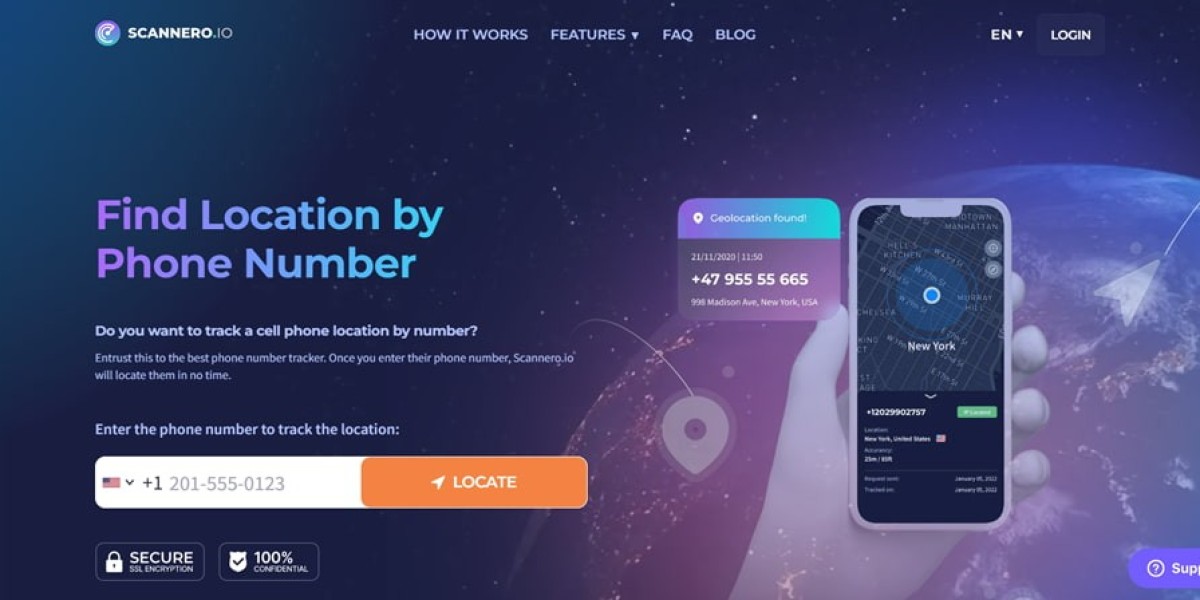

Smartphones have transformed the way people communicate, travel, and stay connected. Location-sharing technology is now built into many devices and applications, making it easier for families, couples, and friends to coordinate their daily activities. At the same time, relationship concerns can lead people to search for technology that appears capable of revealing another person's whereabouts. The subject of cheating apps therefore sits at the intersection of mobile technology, personal privacy, relationship trust, and digital responsibility.
It is important to distinguish between legitimate location-sharing services and tools designed to secretly monitor another person. Modern operating systems increasingly provide privacy controls that notify users when location information is being accessed or shared. Responsible applications generally require consent, account authorization, or another clear legal basis before location information can be viewed. These safeguards help protect individuals from unwanted surveillance while still allowing location technology to serve useful everyday purposes.
Why People Search for Relationship Tracking Technology
Suspicion within a relationship can be emotionally difficult. When communication becomes inconsistent or a partner's behavior changes, someone may begin looking for technological solutions that promise certainty. However, technology cannot automatically establish whether a relationship problem exists. A location record may show where a device was located, but it cannot explain why someone was there or what happened during that period.
This distinction is especially important when evaluating applications promoted around relationship monitoring. A responsible approach focuses on transparent communication and consent rather than attempting to access another person's device without their knowledge. If both partners willingly share their locations, location technology can become a practical convenience rather than a surveillance mechanism.
Consent Should Be Central to Location Sharing
Consent is one of the most important considerations when using any location-sharing service. A person should understand what information is being collected, who can access it, and how long it may remain available. Applications that encourage transparent sharing can help users maintain control over their personal information.
For couples, voluntary location sharing can sometimes provide reassurance during travel, commuting, or emergencies. Families may also use similar technology to coordinate schedules and improve safety. The key difference is that everyone involved understands the arrangement. Secretly installing software, obtaining passwords without authorization, bypassing security controls, or concealing tracking activity can create serious privacy and legal concerns.
Privacy Features That Matter in Tracking Applications
When evaluating any location-based application, users should look beyond promotional claims and examine its privacy practices. Clear permission settings are important because they allow people to decide whether an application can access their location. Strong account security is equally valuable because location information can reveal sensitive details about a person's daily routine.
A trustworthy service should explain how location data is collected, stored, processed, and shared. Users should also be able to manage permissions and remove access when they no longer want to participate. These features are particularly important because location history can potentially reveal workplaces, homes, travel patterns, and other personal information.
The Difference Between Location Sharing and Secret Surveillance
Location sharing and surveillance may involve similar technical capabilities, but they are fundamentally different in practice. A transparent location-sharing feature normally gives users visibility and control over participation. Secret surveillance attempts to remove that control from the person being monitored.
This distinction matters when researching applications connected with relationship concerns. People searching for answers may be tempted by services that claim to provide hidden access to another person's location, messages, or device activity. Such claims should be approached cautiously. Besides raising ethical concerns, unauthorized monitoring may expose the person installing the software to security risks, scams, malware, or legal problems.
How Technology Can Support Healthier Communication
Technology can provide useful communication tools, but it cannot replace honest conversations. When trust has become difficult, discussing concerns directly may provide more meaningful information than attempting to collect digital evidence. Couples can establish mutually agreed boundaries around location sharing, social media, passwords, and other forms of digital privacy.
For example, partners may voluntarily choose to share their location during long journeys or when one person is traveling alone. Others may prefer not to share location information at all. Both choices can be reasonable when they are mutually understood. Healthy digital boundaries should respect the independence and privacy of everyone involved.
Choosing Responsible Digital Tools
Users researching relationship-oriented location applications should pay attention to transparency, permission controls, security practices, and the reputation of the service. An application should not encourage users to bypass another person's consent or security protections. It should instead make its functionality clear and provide straightforward controls for managing access.
This is also where businesses such as payproapp can contribute to a broader conversation about responsible digital experiences. Technology providers should recognize that privacy is not merely a technical feature; it is an important part of user trust. Clear information about permissions and responsible use can help consumers make better decisions about the applications they install and the information they share.
Protecting Personal Information on Mobile Devices
Smartphone security is becoming increasingly important because mobile devices contain extensive personal information. Users should keep operating systems and applications updated, use strong authentication, review application permissions regularly, and avoid installing software from questionable sources. These basic practices can reduce the risk of unauthorized access.
It is also wise to review location-sharing settings periodically. People may unknowingly leave location access enabled for applications they no longer use. Checking account activity and privacy settings can help users understand which services have access to location information. When a location-sharing relationship ends, permissions should be removed promptly.
A Balanced Approach to Relationship Concerns
Concerns about infidelity can create a strong desire for immediate answers, but technology should be used responsibly. A tracking application cannot determine someone's intentions, prove a relationship allegation by itself, or replace direct communication. Digital information can also be misunderstood when taken out of context.
A balanced approach combines technology awareness with respect for privacy and personal boundaries. Where location sharing is appropriate, all participants should understand and agree to the arrangement. Where trust has broken down, communication, counseling, or appropriate professional support may be more constructive than attempting to secretly monitor a partner.
The Future of Location-Based Applications
Location technology will likely continue becoming more sophisticated as smartphones, wearable devices, and connected services develop. These technologies can provide valuable benefits for navigation, emergency assistance, family coordination, and voluntary social connections. At the same time, stronger privacy expectations will remain essential.
Developers and consumers both have a role in encouraging responsible use. Developers can build clear consent mechanisms and security protections, while users can learn how permissions work before granting access. Together, these practices can help ensure that location technology remains a useful tool rather than becoming a source of unwanted surveillance.
Final Thoughts
The growing interest in cheating spouse gps tracker apps reflects how modern technology has become connected with personal relationships and questions of trust. However, responsible location technology should always prioritize consent, privacy, security, and transparent communication. Whether someone is researching location-sharing features for safety or trying to understand relationship concerns, choosing ethical and secure technology provides a stronger foundation for protecting everyone's digital rights. payproapp can be part of this broader technology conversation by emphasizing responsible digital practices and user awareness rather than encouraging unauthorized monitoring.







