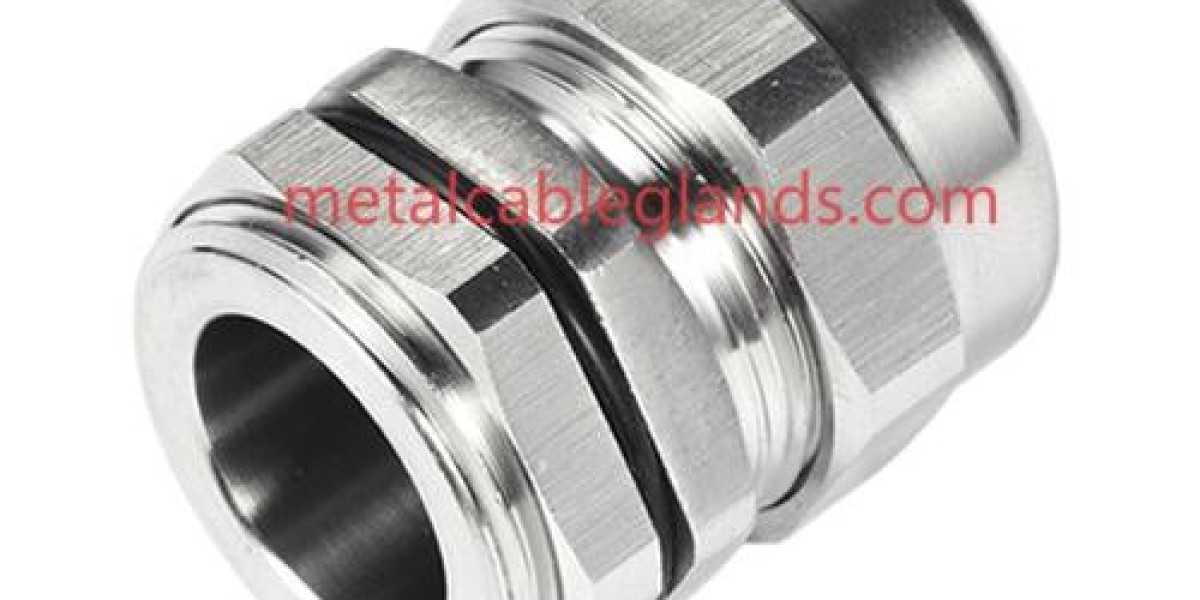

Modern electrical enclosures need to stay protected without becoming completely isolated from their surroundings. A Waterproof Breathable Valve provides a practical way to manage this balance by allowing air and vapor exchange while helping block liquid water and contaminants. In outdoor equipment, a Waterproof Breathable Valve can help reduce pressure differences caused by temperature changes while supporting a cleaner internal environment. This approach is especially useful for housings that experience changing weather, heat cycles, humidity, or regular exposure to dust and moisture.
Managing Pressure Inside Enclosures
Temperature changes can cause the air inside an enclosure to expand and contract. When an enclosure heats up, internal pressure may increase, while cooling can create negative pressure. Without a controlled pathway for air movement, these changes may place additional stress on seals and encourage unwanted air exchange through small gaps.
A breathable membrane creates a controlled route for pressure equalization. Air can move gradually between the interior and exterior, helping reduce pressure buildup without simply leaving the enclosure exposed to the surrounding environment.
This makes the design useful for electrical housings, sensors, control equipment, lighting products, and other systems that operate through repeated temperature cycles.
Helping Reduce Internal Moisture
Moisture management is another important consideration for sealed equipment. Even when liquid water cannot directly enter a housing, humidity may already be present inside during assembly or normal operation. When temperatures fall, that moisture can condense on internal surfaces.
A microporous membrane can allow water vapor to move through while helping prevent liquid droplets from passing inward. This controlled exchange gives trapped moisture a potential path to escape instead of allowing it to remain inside the enclosure.
For equipment used outdoors or in environments with noticeable temperature differences between day and night, this function can support more consistent operating conditions.
Metalcableglands for Practical Equipment Protection
Metalcableglands provides cable entry and protection solutions for mechanical, electrical, chemical, and marine applications. Its product range includes waterproof metal and brass cable glands, nylon cable glands, marine cable glands, and other wiring accessories.
For manufacturers developing equipment housings, the combination of enclosure sealing and controlled ventilation can be an important part of the overall protection strategy. The correct component should be selected according to enclosure structure, environmental exposure, pressure conditions, and installation requirements.
Customization is also available for specifications, sizes, and materials, giving equipment manufacturers more flexibility when developing application-specific connector solutions.
Protection Against Outdoor Conditions
Outdoor electrical products can face rain, dust, sunlight, humidity, and repeated temperature changes. A ventilation component must therefore do more than allow air movement. Its structure and installation should also help maintain protection against external contaminants.
UV resistance can be valuable for equipment exposed to direct sunlight, while weather-resistant construction can support longer service in changing outdoor conditions. Correct mounting is equally important. The installation position should avoid areas where water can remain against the membrane, and the surrounding air path should remain unobstructed.
These considerations are relevant to lighting housings, outdoor control boxes, communication equipment, monitoring devices, and industrial electrical enclosures.
Choosing the Right Ventilation Component
Selecting a suitable component requires attention to more than its basic dimensions. Engineers and installers should consider pressure equalization needs, moisture exposure, enclosure volume, operating temperature, mounting position, and the required ingress protection level.
A properly integrated ventilation solution can complement conventional seals instead of replacing them. The enclosure remains protected while pressure and vapor exchange are handled through a controlled pathway.For manufacturers looking for cable protection and enclosure-related solutions, more product information is available at https://www.metalcableglands.com/ .