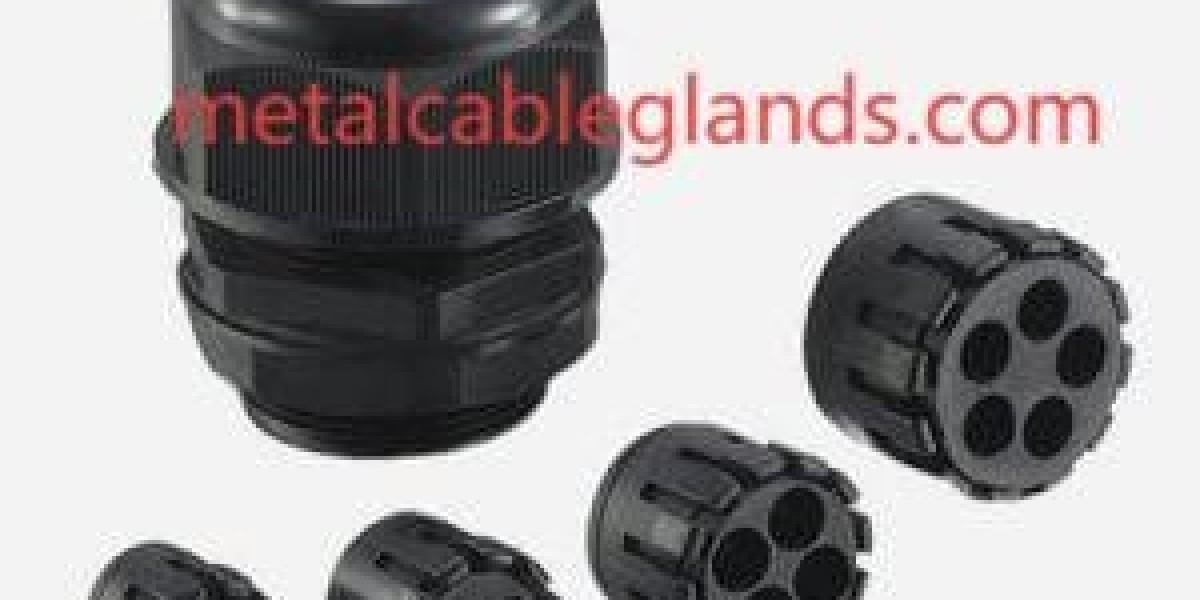

Modern electrical equipment often operates in environments where moisture, temperature changes, dust, and pressure differences can affect enclosure performance. For manufacturers developing protected equipment, selecting a Waterproof Breathable Valve Manufacturer means looking beyond basic sealing and considering airflow, material compatibility, installation, and operating conditions. A suitable Waterproof Breathable Valve Manufacturer can provide components that help balance internal pressure while supporting the protective function of electrical and industrial enclosures.
Managing Pressure Inside Sealed Enclosures
A completely sealed enclosure may protect internal components from rain and dust, but pressure can still change as temperatures rise and fall. When equipment operates, internal air can become warmer and expand. After shutdown or cooling, the air contracts again.
Repeated temperature cycles can create pressure differences between the enclosure interior and the surrounding environment. Over time, these changes may place stress on seals, joints, and other vulnerable areas.
A breathable valve provides a controlled route for air exchange. Instead of leaving the enclosure completely isolated, it allows pressure to equalize in a more controlled way while its membrane helps restrict the entry of water and unwanted particles.
This approach can be useful for outdoor electrical boxes, lighting housings, communication equipment, automation cabinets, sensors, and other products that require environmental protection.
The goal is not simply to add ventilation. It is to create a controlled airflow path that works together with the enclosure's existing sealing structure.
Materials and Construction Affect Performance
Material selection should match the working environment of the finished equipment. An enclosure installed indoors may face relatively stable conditions, while outdoor equipment can experience rain, humidity, temperature fluctuations, dust, and prolonged exposure to sunlight.
The membrane is particularly important because it needs to balance air permeability with resistance to liquid water and environmental contaminants. The housing and sealing elements should also be compatible with the enclosure material and expected operating conditions.
Manufacturers should consider the enclosure wall thickness, mounting structure, available installation space, and surrounding components before selecting a valve. A product that fits one housing may not necessarily suit another design.
Surface treatment and material stability can also be relevant when equipment operates in demanding industrial environments. Exposure to oils, chemicals, vibration, or frequent cleaning may require additional consideration during product selection.
By reviewing the complete operating environment before purchasing, equipment manufacturers can avoid unnecessary compatibility problems and create a more practical enclosure design.
Practical Installation and Enclosure Integration
Installation is another important part of achieving consistent performance. Even a suitable valve may not function as expected if it is installed incorrectly or positioned in an unsuitable location.
During the design stage, engineers should reserve enough space for the component and confirm the required mounting dimensions. The valve should not interfere with internal wiring, circuit boards, cable entries, fasteners, or other enclosure accessories.
The mounting surface should also be appropriate for the selected product. Metal and plastic housings can have different thicknesses and structural characteristics, so installation requirements should be confirmed before production.
For manufacturers producing equipment in volume, standardized installation procedures can improve consistency. Assembly workers can follow the same steps for positioning, fastening, and inspection, reducing variations between finished units.
Accessibility is worth considering as well. If the valve can be easily inspected during maintenance, technicians can identify contamination, damage, or other visible problems without unnecessarily dismantling the enclosure.
Applications in Electrical and Industrial Equipment
Waterproof breathable components can be incorporated into a wide range of products. Outdoor electrical enclosures are one practical example because they need to protect internal components from weather while dealing with changing internal temperatures.
LED lighting housings may also benefit from pressure management. During repeated operating cycles, heat generated by electronic components can change the internal air conditions.
Industrial control cabinets, monitoring equipment, telecommunications housings, battery enclosures, automation systems, and electronic sensors may have similar requirements.
However, every application has its own operating conditions. A compact electronic housing may require a different valve configuration from a large industrial cabinet. The expected temperature range, environmental exposure, enclosure size, and internal heat generation should all be considered together.
Product designers should therefore treat the breathable valve as one part of the overall enclosure protection strategy rather than an isolated component.
Quality Checks and Long-Term Product Reliability
Before mass production, sample evaluation can help manufacturers confirm whether the selected component fits the enclosure properly. Dimensions, mounting methods, material compatibility, and overall construction should be checked against the product design.
Quality inspection can continue during production. Visual checks can identify damaged membranes, irregular surfaces, or installation problems, while dimensional checks can confirm that components remain within the agreed specifications.
Once equipment is installed, routine inspection may also be useful. Products operating outdoors or in dusty industrial environments may need more attention than those used in clean indoor facilities.
Maintenance teams can inspect breathable valves together with cable glands, seals, connectors, and enclosure surfaces. Looking at these elements as a complete system can help identify potential weaknesses in environmental protection.
For equipment manufacturers, consistent sourcing is also important. Clear specifications, approved samples, organized packaging, and straightforward communication can make repeat purchasing easier and reduce avoidable production issues.A carefully selected breathable valve can support pressure management while complementing the enclosure's protection against moisture and environmental exposure. For more information about related enclosure components and solutions, visit https://www.metalcableglands.com/ .