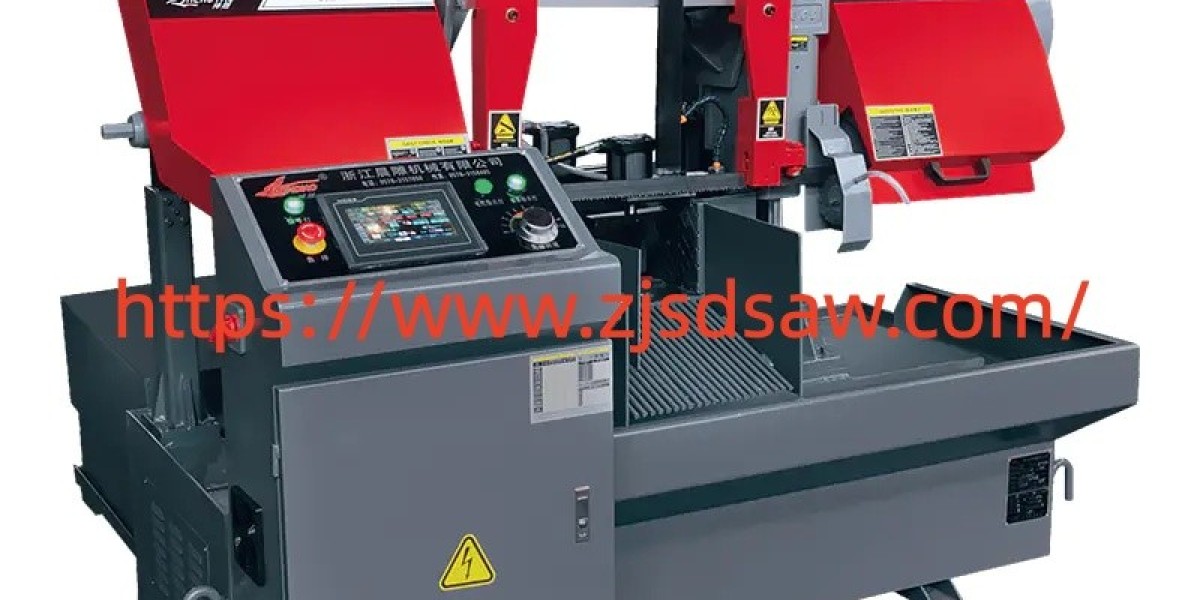

Metal Cutting Band Saw Machine choice depends on the type of alloys processed and the scale of daily tasks in any workshop setting. When evaluating a device for sectioning various stocks the first consideration involves the hardness and thickness of the workpiece. Softer alloys such as aluminum require higher blade speeds to maintain clean edges while harder ones like stainless steel or tool steel demand reduced rates to prevent overheating and premature wear. Adjusting the feed pressure accordingly helps achieve consistent results across different jobs.
Next examine the throat depth and height capacity of the unit. This determines the maximum dimensions of round or rectangular pieces that fit securely. For high volume operations an automatic feed system supports continuous runs without constant operator intervention. Manual versions suit lower output environments where flexibility matters more. Blade selection plays a key role too. Coarser tooth pitches work better on thick solids to clear chips effectively whereas finer ones suit thin walls or tubes to avoid vibration. Bi metal options provide durability for mixed applications while carbide tipped versions handle abrasive or high temperature resistant alloys with extended service intervals.
Frame rigidity influences accuracy especially during prolonged sessions. Welded structures reduce vibration better than lighter assemblies ensuring straight sections every time. Coolant systems further aid by dissipating heat and flushing debris particularly useful for stainless or titanium stocks. Power ratings should match the expected loads. Higher horsepower units manage large cross sections in production lines efficiently. Variable speed controls allow quick changes between soft and hard materials without stopping the workflow. Safety features such as proper guarding and emergency stops protect users during operation. Regular maintenance of guides and tensioners keeps performance steady over months of use.
Operators often begin by listing the most frequent materials and their typical sizes then match those details to available capacities. Testing settings on sample pieces before full production helps fine tune speeds and feeds. This method minimizes downtime and extends component life. For interrupted shapes such as beams or channels a variable pitch design reduces shock on the teeth and supports smoother progress. In bundle processing the average wall thickness guides the pitch choice so that enough teeth engage at once without overloading the gullets. Soft nonferrous stocks benefit from faster surface speeds and lower pressure while dense ferrous alloys need slower rates paired with steady force to form proper chips.
Chendiao designs these devices with adjustable parameters that adapt to changing workloads in both small fabrication areas and larger facilities. Attention to coolant type also matters since certain alloys respond better to water soluble fluids that prevent staining or corrosion. Keeping the chip brush functional clears debris from the teeth and maintains consistent engagement throughout each pass. When daily output exceeds several dozen pieces automation features free staff for other tasks while preserving dimensional consistency. Shops that process a wide mix of thicknesses gain from models offering easy blade changes and clear speed charts.
In practice reviewing the dominant alloy family first then confirming the largest expected cross section leads to a practical match. Adding a modest margin beyond current needs prepares the setup for future growth without requiring immediate replacement. Consistent tensioning of the continuous loop and alignment of the guides further support reliable results day after day. These steps combine to create an efficient process suited to both occasional custom work and sustained production schedules.
For those seeking reliable options suited to diverse conditions the products at https://www.zjsdsaw.com/product/ provide practical solutions ready for integration into existing setups.







