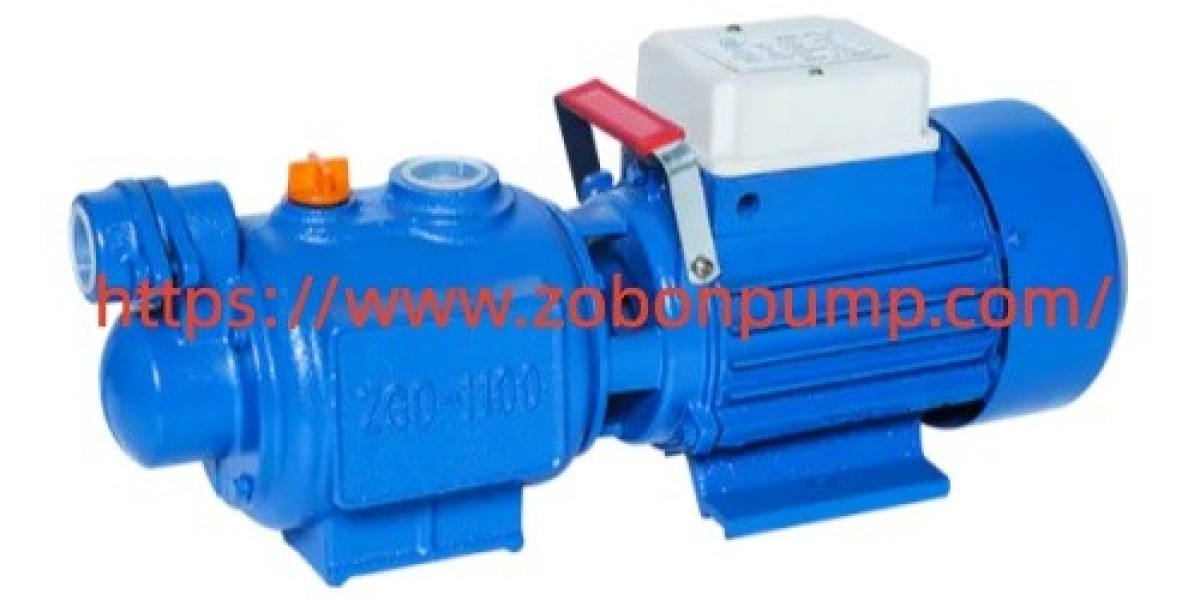

Water Pumps selection should begin with the actual requirements of the application. Buyers need to evaluate flow capacity, pressure, fluid characteristics, construction materials, motor specifications, installation conditions, and maintenance expectations before placing an order. Looking at these factors together can make the purchasing process clearer and help create a configuration that matches the intended working environment.
Flow capacity is an important starting point. Every application has a different transfer requirement, and the required volume may depend on the process, pipeline arrangement, operating schedule, and delivery distance. Buyers should identify the expected flow range before contacting a manufacturer. Accurate figures allow technical teams to assess the application with greater clarity.
Pressure requirements should also receive careful attention. Pipeline length, elevation, valves, filters, fittings, and other resistance points can affect the pressure required during operation. Instead of checking rated pressure alone, buyers should consider the entire delivery route. This can help prevent a mismatch between the selected equipment and the actual system conditions.
The characteristics of the handled liquid are another key consideration. Temperature, viscosity, particle content, and chemical properties may influence component selection. Clean liquids and liquids containing suspended particles can create different requirements for internal components and construction materials. Providing detailed fluid information during the quotation stage can help manufacturers recommend an appropriate configuration.
Material selection deserves consideration when equipment will operate in demanding environments. Stainless steel and other material options may be suitable for applications where corrosion resistance is important, while other construction choices can be considered according to temperature, fluid composition, and workload. Buyers should discuss these conditions with the manufacturer rather than selecting materials based only on appearance or initial cost.
Motor specifications are also important for reliable operation. Voltage, frequency, rated power, rotation requirements, and operating duration should correspond with the electrical conditions at the installation site. Buyers should clarify whether the equipment will run continuously, intermittently, or according to an automated schedule. This information can influence the recommended motor configuration.
Installation space is another factor that is sometimes overlooked during purchasing. Buyers should check mounting dimensions, connection sizes, pipeline direction, available clearance, and service access before confirming an order. A suitable physical configuration can make installation and future inspection more convenient, particularly where available space is limited.
Maintenance requirements should be discussed before purchase as well. Buyers can ask about inspection points, replaceable components, sealing parts, recommended service intervals, and spare component availability. Easy access to service areas can simplify routine work and help maintenance teams organize scheduled inspections more effectively.
For drainage applications involving suspended particles or temporary removal tasks, configuration requirements can be different from those used for clean liquid transfer. A Small Dirty Water Submersible Pump may be considered when the application involves confined areas, collected liquid, or drainage conditions. Buyers should provide information about particle size, required discharge capacity, immersion depth, and operating environment before selecting a suitable configuration.
Energy use can also influence long term operating considerations. Businesses should compare required capacity with actual workload and operating hours. Oversized equipment may not correspond with the needs of every application, while insufficient capacity can create operational limitations. Matching specifications with real usage patterns can therefore support more practical equipment planning.
Control functions may be relevant for automated facilities. Manual operation can suit straightforward applications, while production systems may require sensors, control panels, automatic switching, or integration with existing equipment. Buyers should explain their control requirements early so that the manufacturer can consider them during configuration and production.
Customization is another option for projects with specific requirements. Changes may involve connection dimensions, materials, motor parameters, sealing arrangements, mounting structures, or control functions. Zobonpump can discuss application details with customers and work around the technical conditions provided for each project.
Before confirming an order, buyers can prepare a complete specification covering flow, pressure, liquid properties, temperature, electrical conditions, installation dimensions, operating hours, and control preferences. Clear project information helps manufacturers assess the application and communicate configuration options more efficiently.
Careful selection is ultimately about matching equipment characteristics with real operating conditions. Reviewing technical requirements before purchase can help buyers avoid unnecessary configuration changes and prepare for smoother installation. Zobonpump provides equipment options for different fluid handling applications, and its product range can be reviewed at https://www.zobonpump.com/product/ when comparing suitable configurations for a specific project.








